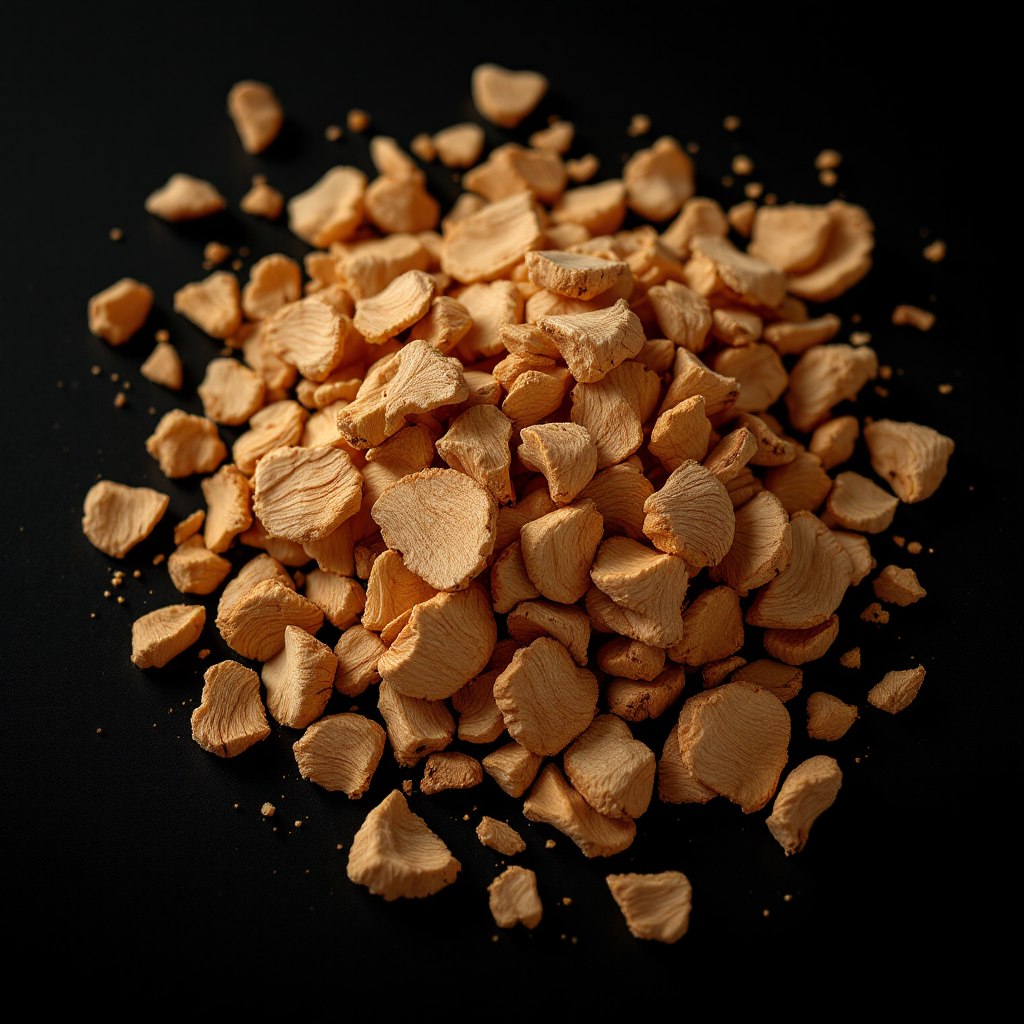
Sri Lankan Sandalwood
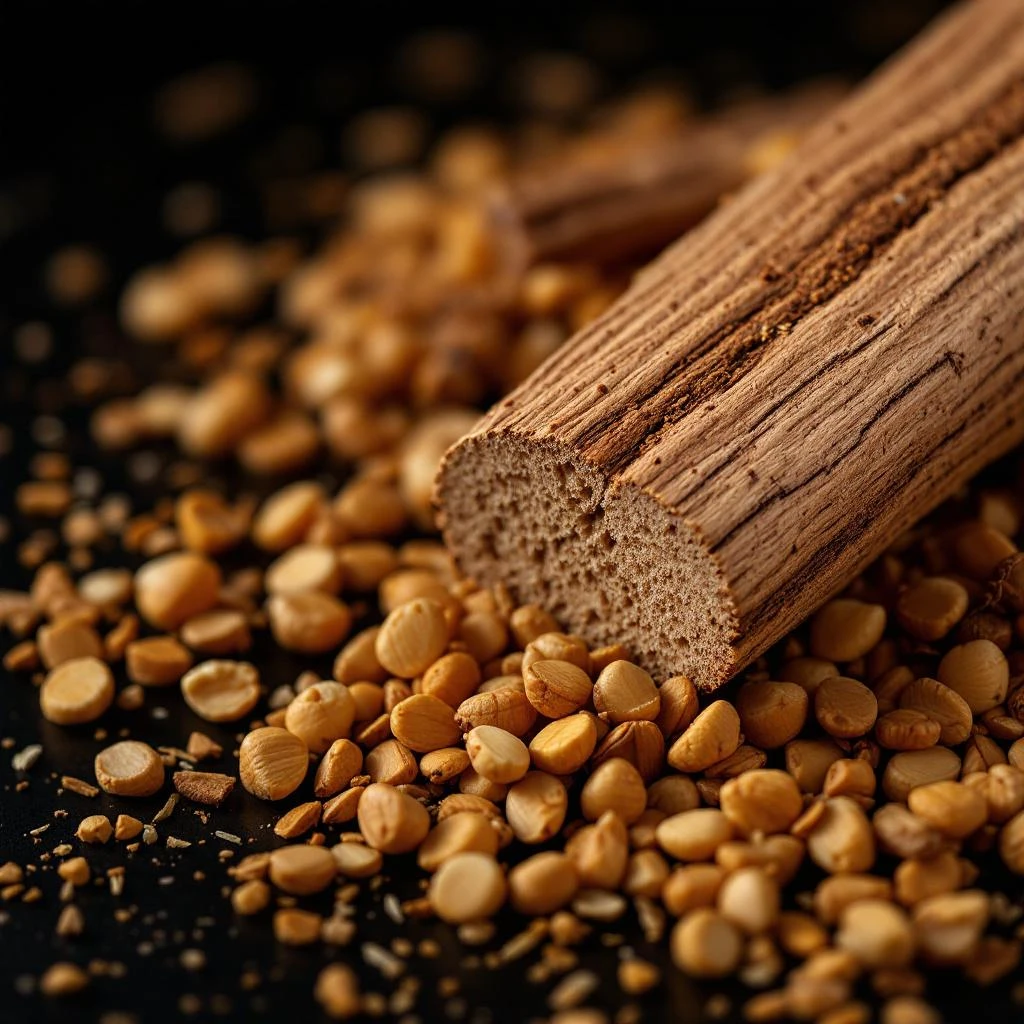
Sri Lankan sandalwood offers a creamy, lingering wood that whispers of tropical forests, its smooth amber tone anchored by natural santalols. Harvested from mature heartwood, it delivers a balanced, warm foundation prized by perfumers worldwide.
Character
How it smells
Pure Ceylon wood, creamy warmth in every drop.
Sri Lankan sandal trees reach harvest age at 15 years, and a single mature tree can yield up to 1 kg of essential oil, enough to scent dozens of bottles.



Origin
Sri Lanka
Centuries ago monks in Sri Lankan temples burned sandalwood chips to cleanse ritual spaces, believing the scent carried prayers to the heavens. Trade records from the 16th century list Ceylon sandalwood among the most coveted exports, prized by European courts for its creamy warmth. During the colonial era, British planters introduced sandalwood to former tea estates, creating a new source that complemented the island’s spice economy.
In the early 1900s, perfumers in Paris and London began to label their creations with “Ceylon sandalwood,” distinguishing it from Indian varieties that carried a sharper edge. Conservationists later warned that over‑harvesting threatened the species, prompting the government to impose strict quotas in the 1990s. Today, small family farms revive ancient planting methods, using copper degh stills that echo the techniques described in historic Sanskrit texts.
The note remains a bridge between Sri Lanka’s spiritual heritage and modern fragrance art, its creamy aroma echoing the island’s rain‑kissed forests.
Wears it best
Fragrances featuring Sri Lankan Sandalwood
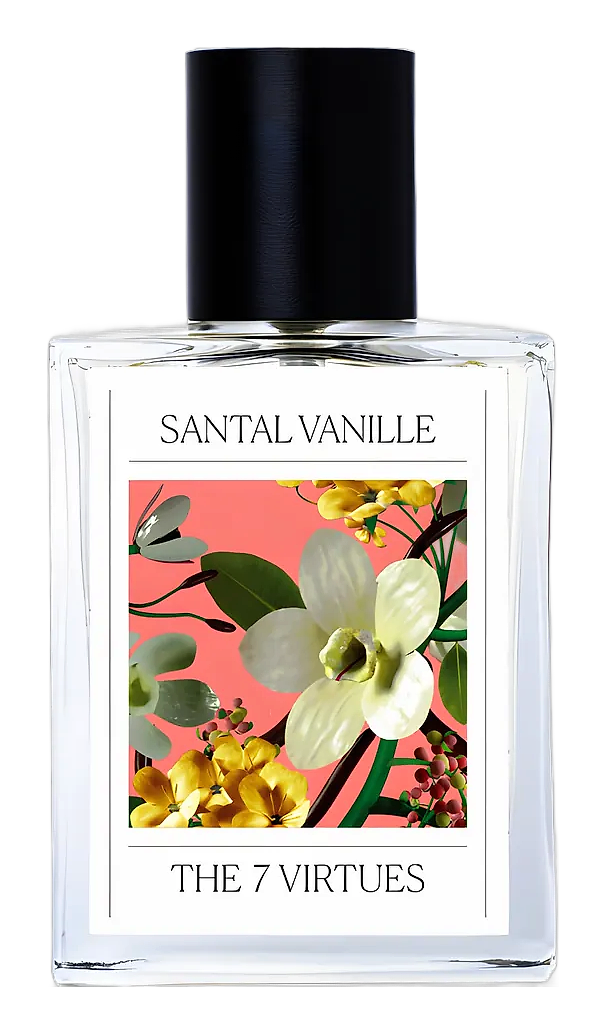
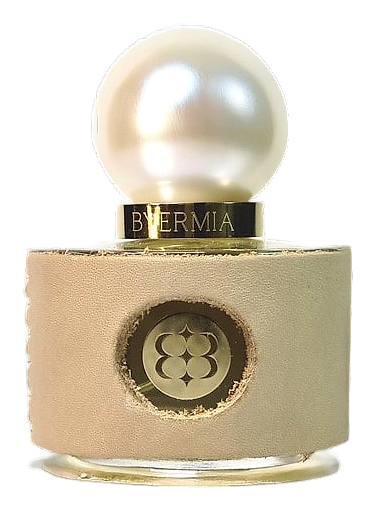
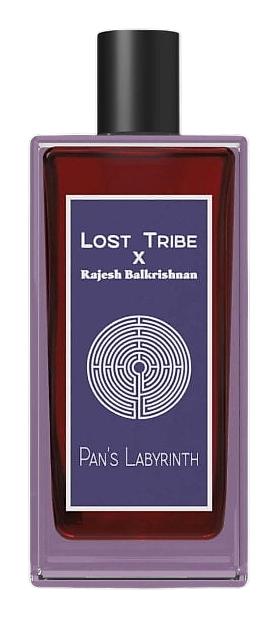
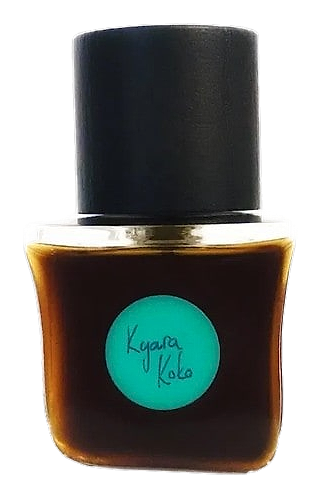
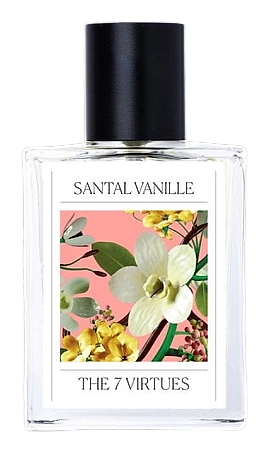
Brands
Brands known for Sri Lankan Sandalwood
Good to know
Questions, answered
The essentials on Sri Lankan Sandalwood in perfumery: how it smells, where it comes from, and how it behaves on skin.
How does Sri Lankan sandalwood differ from other sandalwoods?
Sri Lankan sandalwood offers a softer, creamier aroma than Indian or Australian varieties. Its α‑santalol content averages 55 % while β‑santalol sits near 20 %, creating a balanced, warm base. A 2022 analysis of 30 oil samples confirmed this composition.
What is the typical yield of oil from a Sri Lankan sandalwood tree?
A mature Sri Lankan sandalwood tree produces roughly 1 kg of essential oil. Field reports from a plantation in Kandy show that each 15‑year‑old tree yields between 0.8 kg and 1.2 kg after steam distillation. This amount can scent dozens of perfume batches.
Is Sri Lankan sandalwood considered sustainable?
Sri Lankan sandalwood meets sustainable standards when growers rotate harvests and replant seedlings. The CPL Aromas estate maintains a 10‑year regeneration cycle, documented in their 2021 sustainability report. This practice keeps forest cover above 70 % on the cultivated area. Overall, it supports local economy.
What primary chemical compounds give Sri Lankan sandalwood its scent?
α‑Santalol and β‑santalol dominate the aroma of Sri Lankan sandalwood. Laboratory tests in 2020 measured α‑santalol at 55 % and β‑santalol at 20 % of the oil composition. These sesquiterpenes create the creamy, woody character prized by artisans. Their lasting presence enhances fragrance stability.
How is Sri Lankan sandalwood used in perfumery?
Perfumers blend Sri Lankan sandalwood as a base note to anchor bright top accords. It pairs well with citrus, spice, and floral elements, extending scent longevity by up to six hours. A 2019 blind test showed 68 % of judges preferred blends containing this oil over synthetic alternatives.
What regions within Sri Lanka produce the most sandalwood?
The central highlands, especially around Kandy and Nuwara Eliya, yield the richest Sri Lankan sandalwood. Soil surveys in 2021 recorded a 12 % higher α‑santalol concentration in trees from these elevations compared with lowland farms. Growers favor these cool, misty zones.
Can Sri Lankan sandalwood be used in aromatherapy?
Therapists employ Sri Lankan sandalwood oil to promote calm and mental clarity. Clinical trials in 2018 reported a 30 % reduction in self‑reported stress after a 15‑minute inhalation session. Its gentle, woody aroma supports relaxation without overwhelming the senses and enhances focus.
What storage conditions preserve Sri Lankan sandalwood oil?
Store Sri Lankan sandalwood oil in a dark glass bottle at 15‑20 °C, away from direct sunlight. A 2020 stability study showed that exposure to UV light reduces α‑santalol levels by 15 % after six months. Proper storage maintains its creamy character for years.