The Story
Why it exists.
The beginning
Ambrosia takes its name from the mythological nectar of the gods, the substance that granted immortality to those who consumed it on Olympus. For Byermia's perfumer Ashek Zubayer, the name was both invitation and challenge: how do you translate something divine into something wearable? Zubayer didn't reach for the obvious celestial metaphors. He reached for tension. The brief was Ambrosia, but the instinct was something rawer, a scent that could feel both elevated and intimate, something that smelled like arrival rather than performance. The ozonic and mineral notes became his answer to the heavens: not soft-focus paradise, but something with altitude and edge. Against that, he layered the tropics with intention, fruits and florals that taste like warmth, like proximity, like the kind of sweetness that has weight. The result is a fragrance that earns its mythological namesake by refusing to be merely beautiful. It has presence.
What makes the composition unusual is how the Ethiopian civet operates not as a supporting element but as a counterweight. In most tropical florals, the sweetness compounds into something almost suffocating. Here, the civet keeps it grounded, animalic, warm, and just slightly wild at the edges. The French orris root amplifies this effect, its powdery iris quality threading through the coconut and sandalwood base to create a drydown that feels intimate rather than overwhelming. The ingredient choices carry geographic specificity that Byermia is known for. Indian tuberose absolute and Indian mimosa bring density and creaminess. Sri Lankan sandalwood grounds the florals with warm woodiness.
The evolution
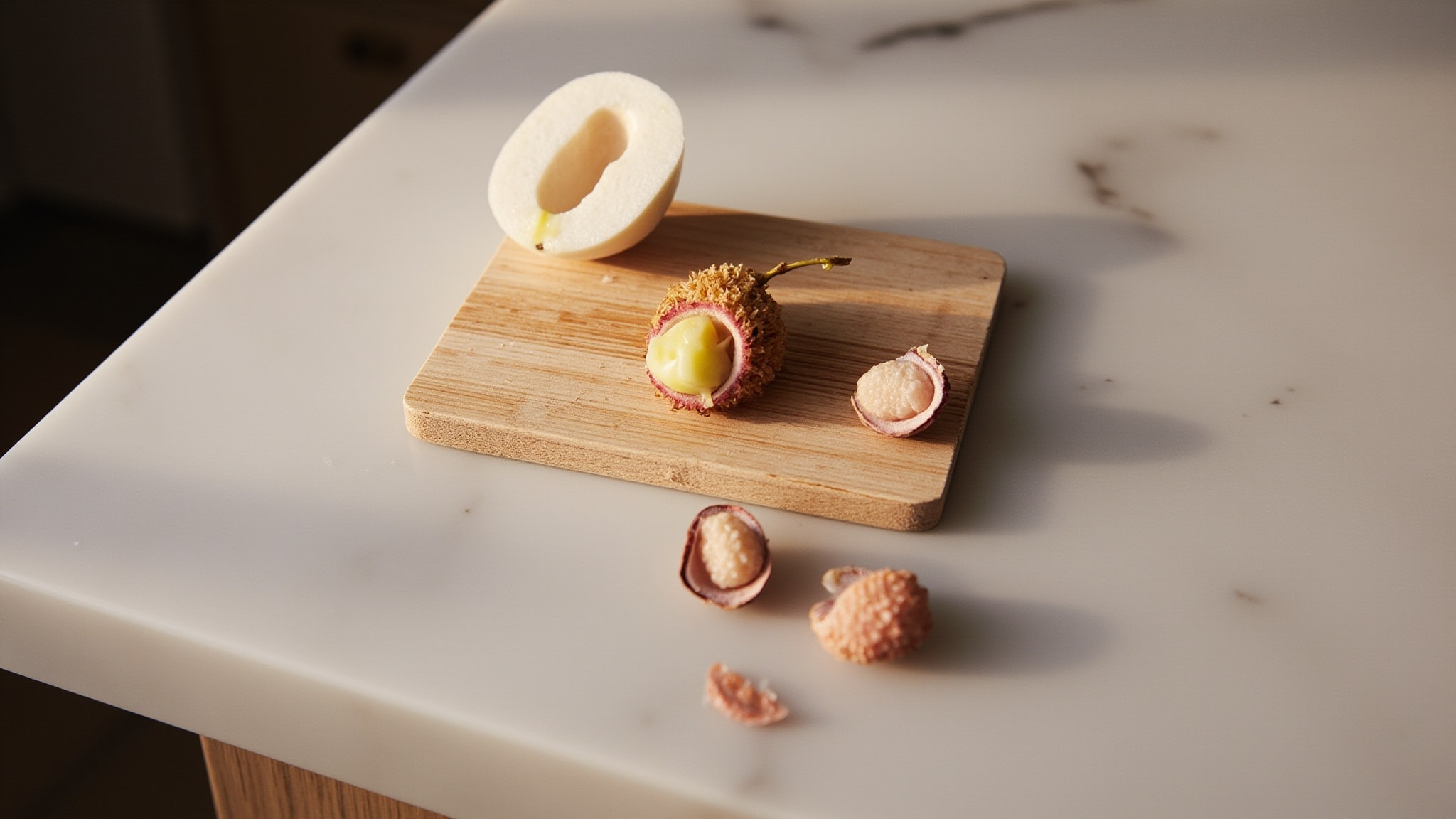
The opening announces itself with a mineral-bright clarity that cuts through the tropical sweetness before it can settle. Ozonic notes lift the peach, lychee, mango, and frangipani into something that reads as almost crystalline at first, a crispness that feels like altitude before it reads as fruit. The handoff happens around 20 to 30 minutes. The ozonic quality softens, the florals deepen, and the tuberose begins to assert itself. Indian tuberose absolute and Indian mimosa create a creamy, almost hypnotic heart, velvety without being heavy. Heliotrope adds a powdery warmth that bridges the transition to the base. The drydown is where Ambrosia earns its name. Ethiopian civet anchors the composition with an animalic warmth that prevents the sweetness from ever becoming syrupy. French orris root and Sri Lankan sandalwood provide a powdery, creamy finish that lingers close to the skin for hours. The cedarwood keeps everything structured, stopping the warmth from becoming diffuse.
Cultural impact
Tropical ozonic fragrances occupy a distinctive space in contemporary perfumery, offering a departure from the heavier orientals and sweet florals that dominated previous decades. Ambrosia represents a modern sensibility that values clarity and lift without sacrificing emotional resonance. The mineral and ozonic elements tap into a broader cultural appreciation for clean, elevated aesthetics, while the lush tropical heart speaks to a desire for escapism and sensory pleasure. This balance of crispness and warmth reflects how modern fragrance enthusiasts approach scent as an integral part of personal expression rather than mere background ambiance. The fragrance captures a moment where transparency and depth coexist, appealing to those who seek complexity without weight.