The Story
Why it exists.
The beginning
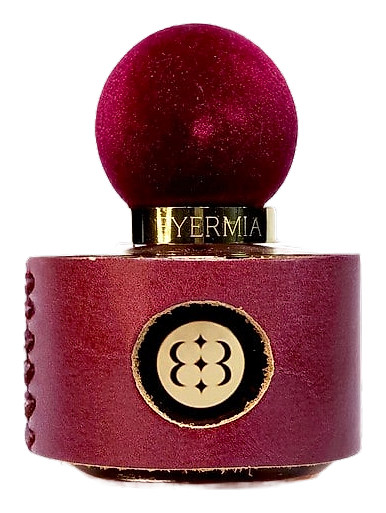
Tiger Rouge is Byermia's attempt to capture something mythic. Not a smell, a story. The mythical Red Tiger of Indian forests, revered as a guardian deity whose very footsteps were said to exhale fierce power. Perfumer Ashek Zubayer broke this down into three stages: a hot, fiery opening of zesty citrus and sharp pepper to represent the tiger's wild strength; a warm, spiced heart of cinnamon, cloves, and bay leaf alongside earthy Hainan oud, Indian vetiver, and cypriol oil, reflecting the creature's depth and sorrow; and a renewing drydown of Turkish rose and red cherry, the moment of peace after the roar. This is the Folklore collection's most ambitious brief: a fragrance as narrative, not just a scent.
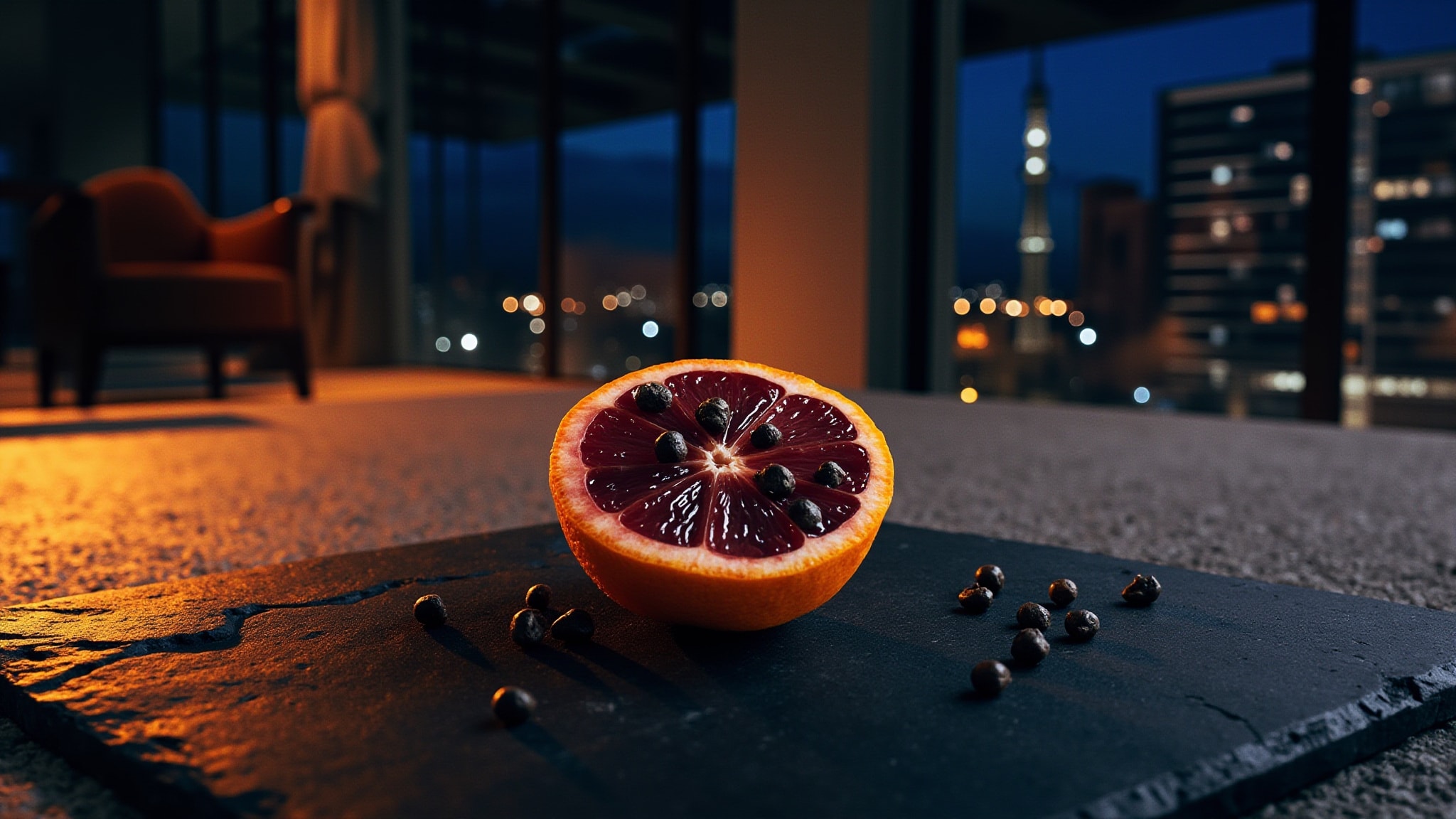
The note structure is unusual, six top notes could read as scattered, but here they read as a single, intentional blast. Bell pepper adds an almost green, vegetable edge to the blood orange and mandarin, while black pepper and allspice bring the heat. It's a calculated move: the opening needs to feel like a tiger first appearing in dense jungle, all brightness and menace. The heart layer is where Byermia's sourcing philosophy becomes obvious. Hainan oud and Indian vetiver are both materials with strong geographic signatures, and combining them with cypriol oil creates an earthy, almost meditative base that holds the warmer spices without letting them dominate.
The evolution
Tiger Rouge hits skin like a flash of orange and black fur in dense vegetation. The opening is immediate, black pepper's heat, blood orange's brightness, a green vegetable undertone from the bell pepper that keeps everything grounded. The citrus doesn't fade so much as get absorbed, replaced within minutes by the heart's warmth. Cinnamon and clove take over, and the bay leaf adds an herbal bitterness that prevents the spice from becoming sweet. This is where the tiger's anger lives. The oud and vetiver emerge slowly, earthier than expected, and the frankincense adds a smoke that curls underneath the spice like embers. By the third hour, the Turkish rose arrives, not the bright rose of the opening's promise, but a deeper, more resinous rose that tastes of petals rather than flowers. Red cherry lingers underneath, adding a tart sweetness that stays close to the skin. Mineral notes keep the base from becoming too soft. Six to eight hours on most skin types, with moderate sillage that rewards intimacy over projection.
Cultural impact
Tiger Rouge enters a fragrance landscape where spicy citrus compositions have long served as bridges between cultures and sensory traditions. The combination of black pepper and blood orange draws from spice trade history, when such ingredients represented luxury and global connection. Bell pepper adds an unexpected vegetable freshness that reflects modern perfumery's willingness to experiment beyond traditional boundaries. This type of bold, multifaceted scent appeals to wearers seeking fragrances that function as conversation pieces rather than background ambience.