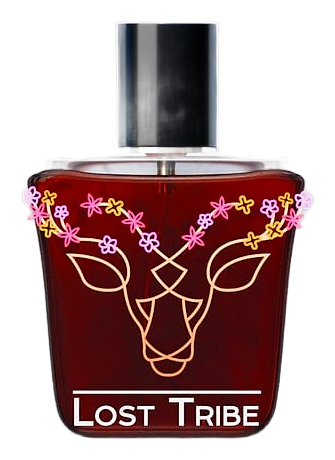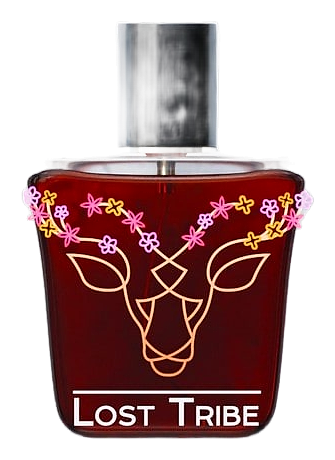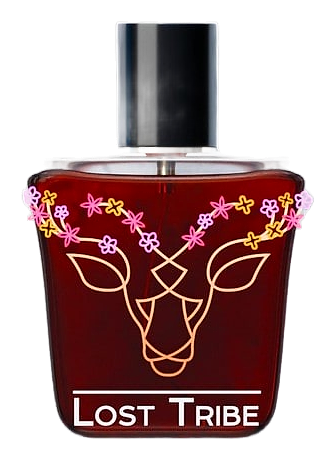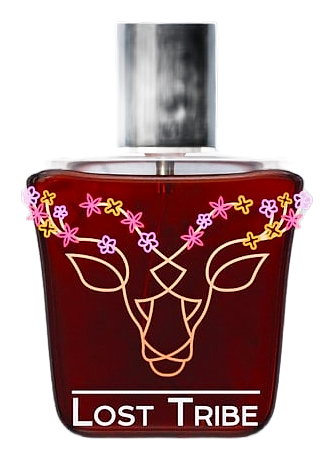
The Story
Why it exists.
The beginning
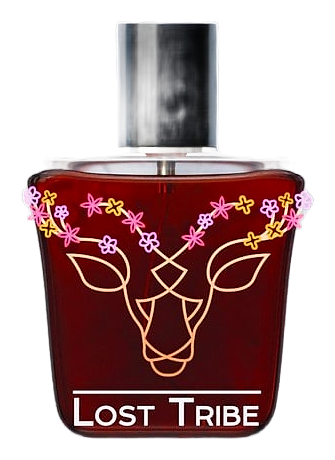
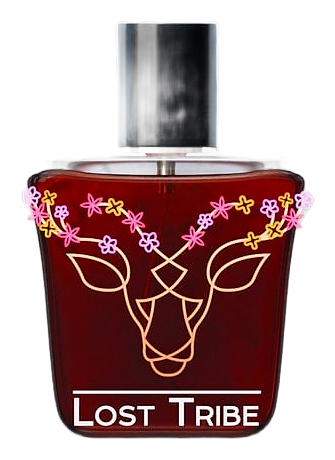
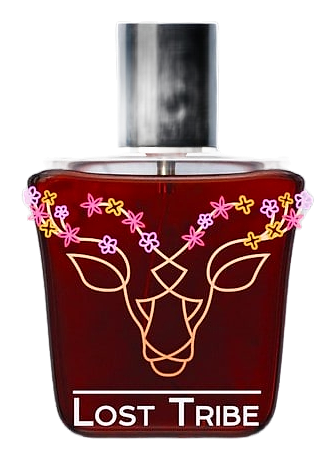
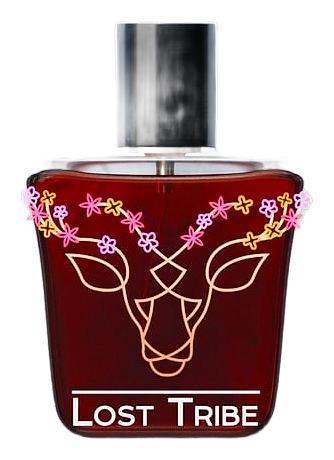
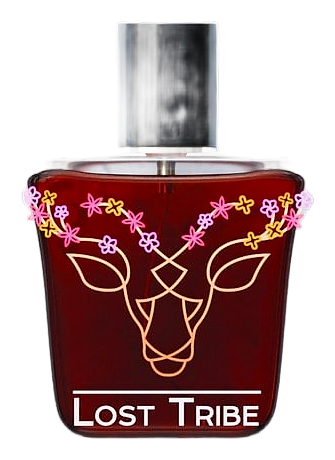
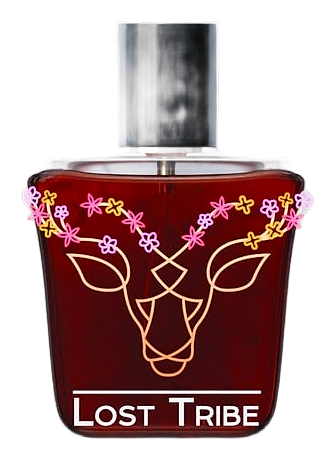
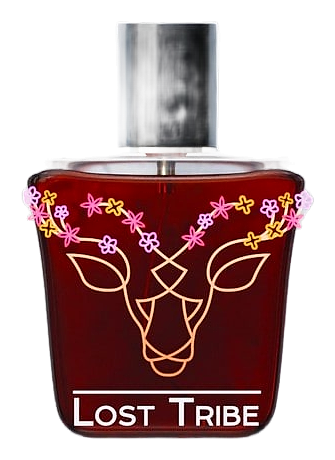
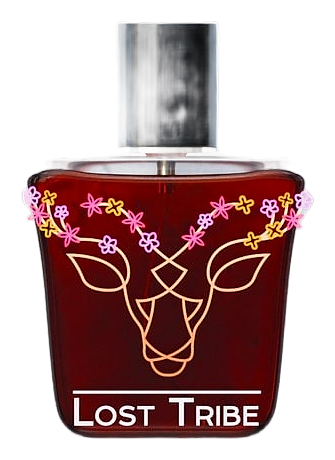
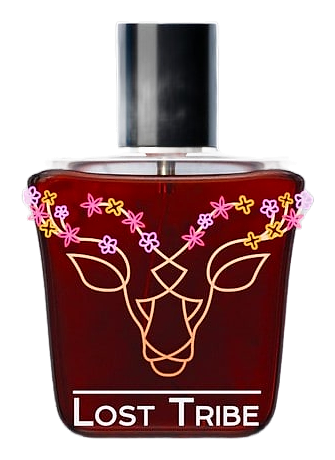
The name says everything. Prince of Persia draws from the luxury traditions of ancient Persian courts, where oud was currency, where rose was devotion, where fragrance was power. Lost Tribe, a New York-based house built on the premise that raw nature should speak louder than trend, chose to honor that history by doing something bold: using Black Thai Kinam Oud 2011 not as a trace element but as a defining force. A full gram per bottle. Perfumer Mathew Schmuelian structured the composition around that single decision, building outward from darkness rather than toward it. The result is a fragrance that carries the weight of its namesake without becoming a costume piece.
What makes Prince of Persia structurally unusual is the direction of the brief. Most oud fragrances position the resinous base as a destination, something you arrive at after the citrus and florals do their work. Here, the Black Thai Kinam Oud 2011 arrives early and stays late. The bergamot and rose that open the composition don't soften the oud, they illuminate it. The Bulgarian rose absolute and Georgian rose otto sit close to the skin, intimate rather than broadcast, working in tandem with the oud rather than against it.
The evolution
The first minutes belong to bergamot, bright, almost startling against the darkness waiting underneath. Within five minutes, the rose arrives. Not a single rose but two: Georgian otto's more nuanced, slightly herbaceous quality alongside the rounder, more romantic Bulgarian absolute. They don't bloom so much as unfold. The nutmeg and white pepper add warmth without spice-rack sharpness. By the second hour, the oud has fully arrived, resinous, dark, with that characteristic slightly animalic edge that makes real oud feel alive rather than synthetic. The blue cypress gives it an unexpected coolness, like a breath of air in a warm room. The drydown is where Lost Tribe's restraint pays off. Mysore sandalwood and Atlas cedar smooth everything into a long, warm skin-feel that doesn't dissipate. Civet and musk keep it close, intimate, the kind of drydown that someone notices when you're already gone. Eight to ten hours is the range. On fabric, it reads into the next day.
Cultural impact
Prince of Persia occupies a specific space in the ultra-niche conversation: oud compositions that don't apologize for being oud compositions. Lost Tribe made a fragrance for wearers who've moved past the intrigue of oud and want the full statement, resinous, animalic, and unapologetically dark. The natural-only policy adds a layer of authenticity that resonates with collectors who treat ingredients as the primary argument.
The House
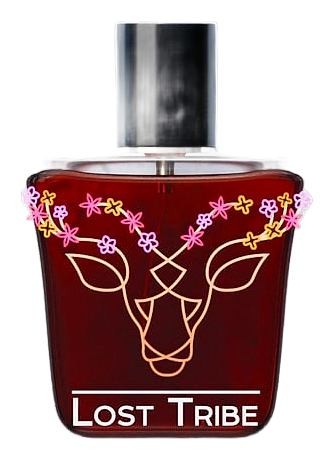
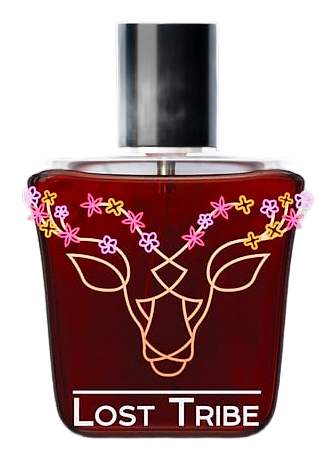
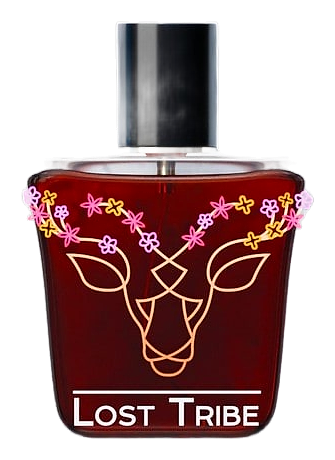
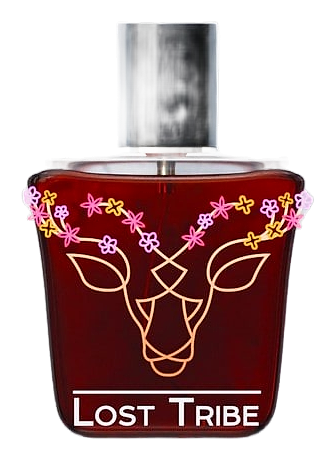
Lost TribeLost Tribe Perfumes is a New York‑based niche house that builds its identity around the unfiltered scent of the wild. The brand’s public statements stress a mission to reconnect wearers with the raw beauty of nature, and its catalogue reflects that aim with a steady stream of location‑inspired and narrative‑driven releases. From the coastal breezes evoked by The Hamptons (2025) to the desert heat captured in Dubai (2025), each fragrance is presented as a miniature landscape, crafted for collectors who value depth over trend. The house positions itself in the ultra‑niche segment, favoring natural ingredients and small‑batch production, and it maintains an active dialogue with its community through social platforms where enthusiasts share impressions and pairings.
The Creator
Mathew SchmuelianMathew’s style leans toward unisex blends that balance bright fruit with grounded woods. He often starts with a single natural note—ripe mango, smoked tobacco, or wild rose—and builds layers that echo its texture.