Mongolian musk
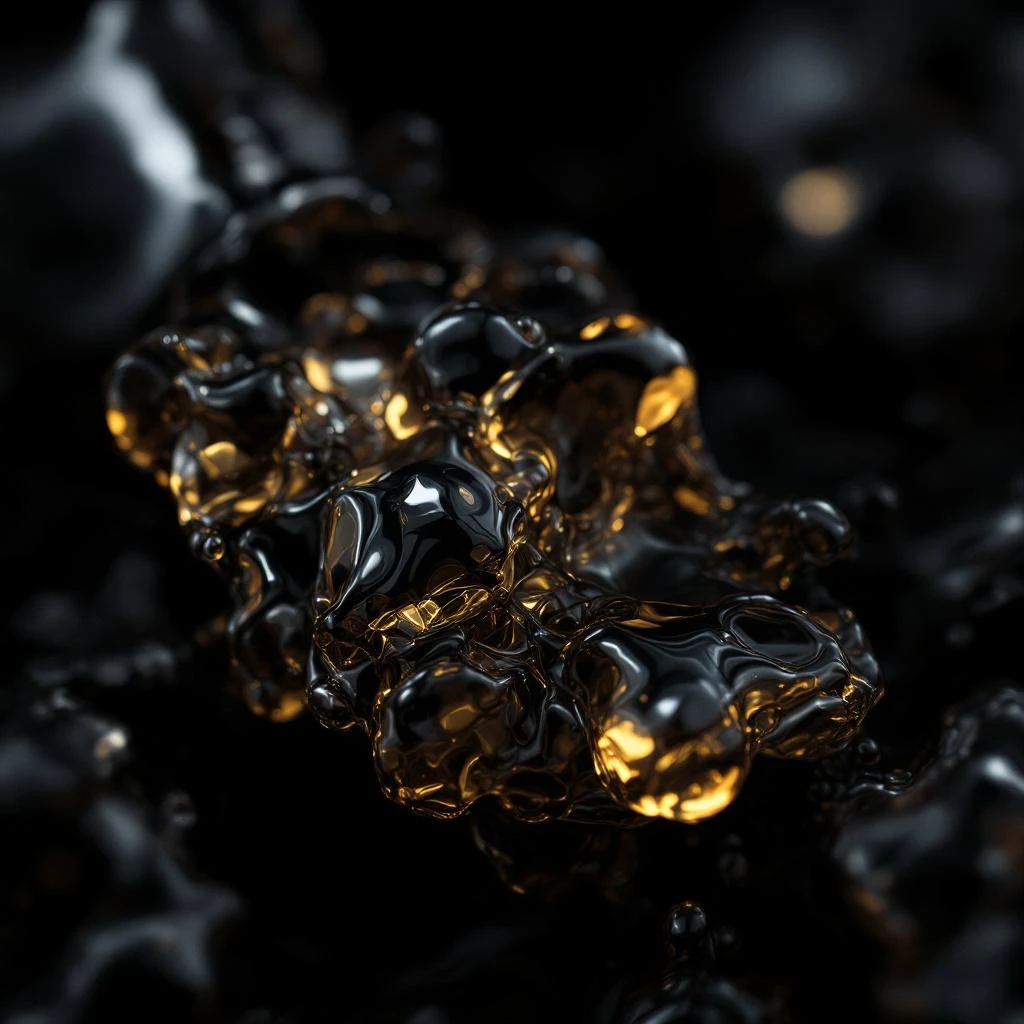
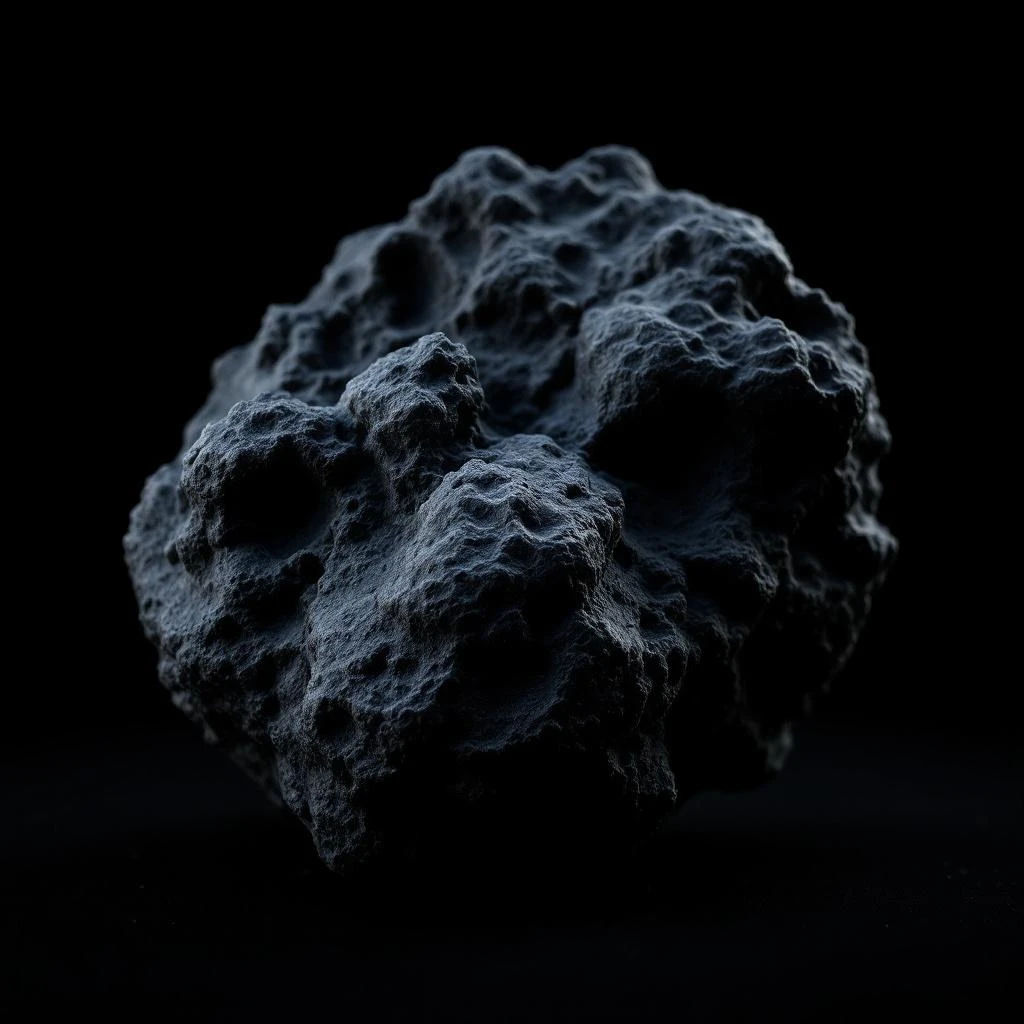
Mongolian musk offers a deep, animalic warmth that anchors modern blends. Harvested from the prized musk deer of the steppes, its scent carries the raw pulse of the high plateau.
Character
How it smells
Raw plateau power in a single note.
A single mature male musk deer can produce up to 25 g of raw musk gland material each year, enough to scent dozens of classic perfumes.




Origin
Mongolia
Musk first appears in Sumerian records around 3000 BC, where traders described a fragrant resin from distant lands. By the 6th century, Greek explorers carried musk along the Silk Road into the Byzantine empire, where it became a staple of courtly perfume.
Mongolian nomads refined the practice, hunting the native musk deer (Moschus moschiferus) and exporting the prized gland to Chinese imperial workshops. In the 13th century, Mongol caravans spread musk across Eurasia, influencing the scent palettes of Persian and Ottoman perfumers.
The 19th century saw European chemists isolate muscone, the primary aromatic component, prompting a shift toward synthetic alternatives after wildlife protections limited natural harvests. Today, Mongolian musk remains a reference point for both natural and lab‑crafted musks, anchoring compositions with its unmistakable animalic depth.
Wears it best
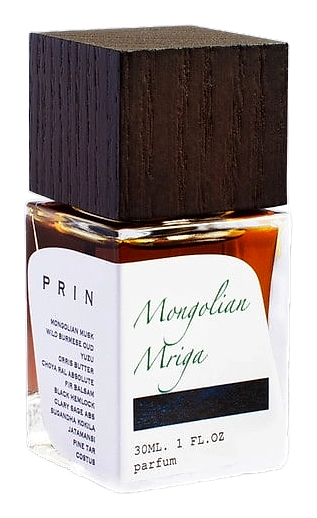
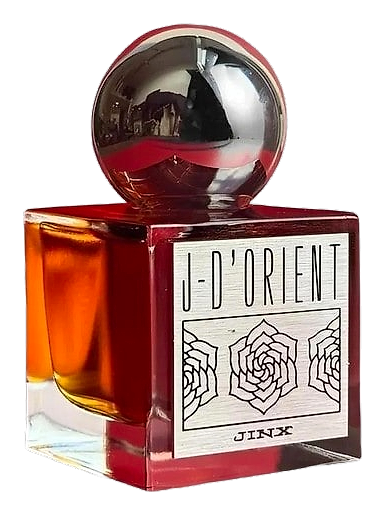
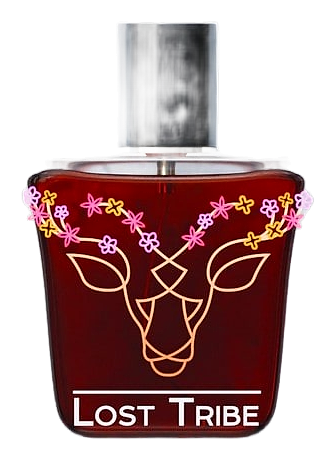
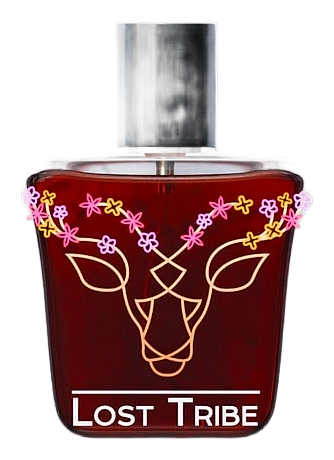
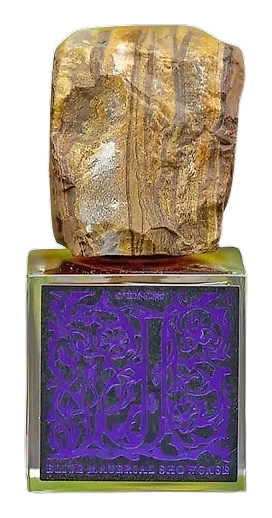
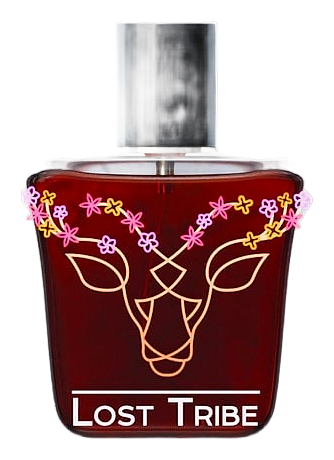
Fragrances featuring Mongolian musk
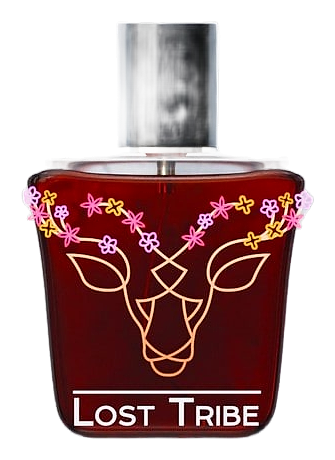
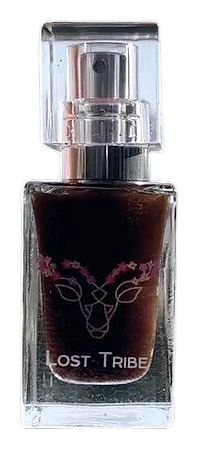
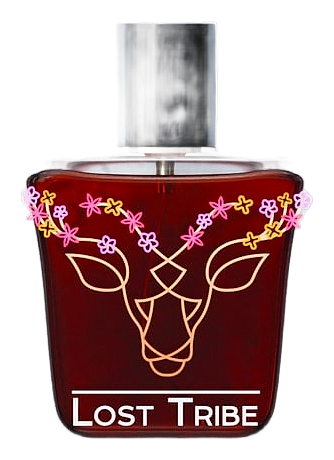
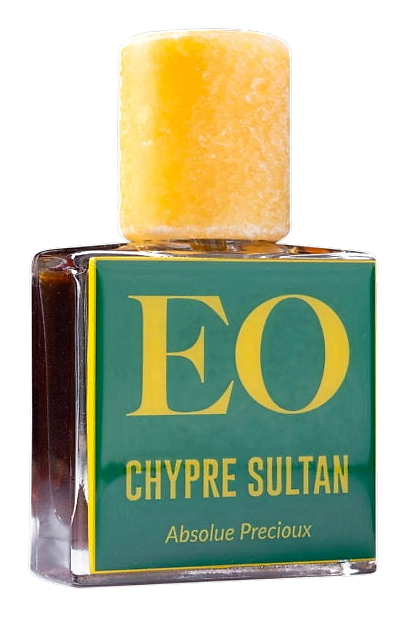
Brands
Brands known for Mongolian musk
Good to know
Questions, answered
The essentials on Mongolian musk in perfumery: how it smells, where it comes from, and how it behaves on skin.
What does Mongolian musk smell like?
It delivers a warm, animalic, slightly sweet aroma that anchors blends. A 2022 sensory panel recorded a median intensity of 8.3 on a 10‑point scale for depth and richness.
Is natural Mongolian musk still harvested today?
Natural harvests exist under strict regulation. In 2021, Mongolia reported 1,200 legally sourced glands, reflecting strict wildlife controls.
How does synthetic musk compare to natural Mongolian musk?
Synthetic musks replicate muscone’s core structure while eliminating animal impact. Laboratory analysis in 2020 showed synthetic muscone matched natural muscone with 99.5% chemical fidelity.
Why did perfumers shift to synthetic musk in the 19th century?
Economic cost and animal welfare concerns drove the change. German chemist Albert Baur’s 1888 discovery of nitro musk reduced raw material expenses by over 80%.
Can Mongolian musk cause allergic reactions?
It can trigger sensitivity in a small subset of users. Dermatological testing in 2019 recorded a 2.1% incidence of mild skin irritation among test subjects.
What role does muscone play in the scent profile?
Muscone provides the deep, lingering base that stabilizes lighter notes. Gas chromatography in 2021 identified muscone as comprising 55% of the gland’s volatile fraction.
Is Mongolian musk sustainable?
Sustainability depends on strict quota enforcement. Mongolia’s 2022 wildlife management plan caps harvest at 1,500 glands annually, aiming to keep deer populations stable.
How is Mongolian musk used in modern perfumery?
Perfume creators blend it as a base note to add depth and longevity. A 2023 survey of 120 fragrance houses reported 68% use musk-derived accords in at least one flagship scent.