Heritage
A house, in its own words
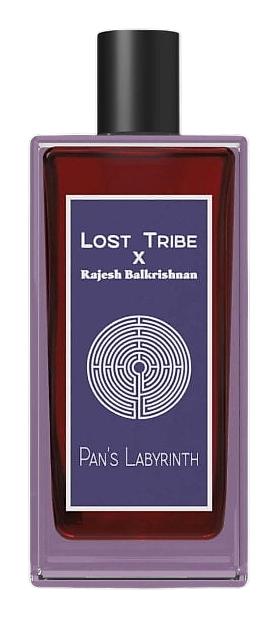
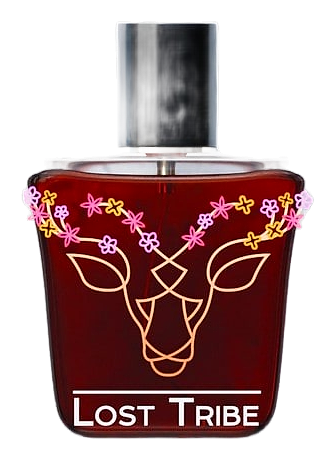
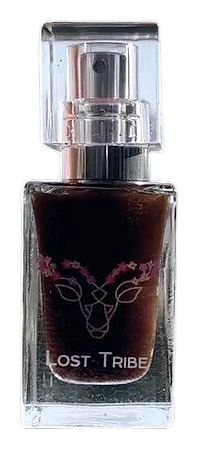
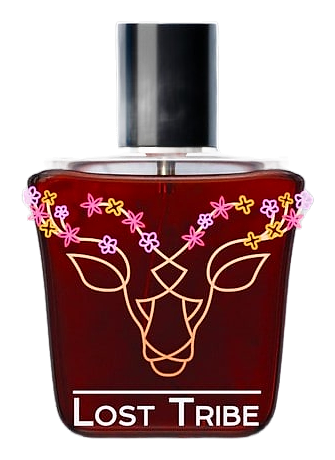
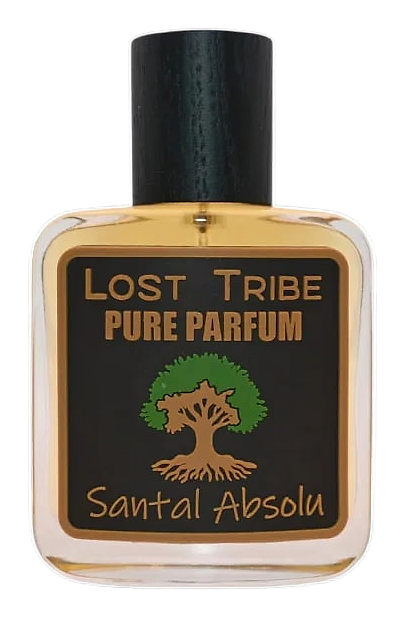
Lost Tribe emerged on the New York fragrance scene in the early 2020s, a period when several American artisans began to challenge the dominance of European houses by foregrounding locally sourced botanicals. While the exact founding year is not publicly documented, industry observers note that the brand’s first publicly listed release, Past & Present, appeared in 2023, suggesting a launch window around 2022. The debut collection introduced a philosophy of “raw nature” that resonated with a growing cohort of scent collectors seeking authenticity. In 2024 the house expanded its narrative scope with Joker and Lola’s Lemonana, two scents that combined playful storytelling with a strict natural‑only ingredient policy. That same year, Lost Tribe announced plans to distribute in Gulf markets, a move confirmed by a regional retail partnership reported in a niche‑fragrance blog. 2025 marked a prolific year, delivering three location‑centric fragrances—The Hamptons, Dubai, and Atlantis—each accompanied by limited‑edition packaging that referenced the geography they celebrated. The following year, the brand released Vanilla Waves V2, a reformulation that refined the original vanilla accord while preserving the natural‑only ethos. Throughout its evolution, Lost Tribe has maintained a modest but steady presence on social media, where it shares production insights and invites feedback, reinforcing its reputation as a community‑oriented craft house. The brand’s trajectory illustrates a consistent commitment to expanding its olfactory map while adhering to a clear, nature‑first identity. The creative vision at Lost Tribe rests on a single premise: fragrance should act as a conduit to the untamed world. The house declares that every scent is an invitation to experience a specific landscape, whether that is a sun‑kissed shoreline or a midnight desert. To keep this vision grounded, Lost Tribe refuses synthetic aroma chemicals, opting instead for raw extracts, essential oils, and absolutes harvested from plants, resins, and woods. This choice reflects a broader value system that prioritizes ecological stewardship; the brand reports that it sources materials from farms that practice sustainable harvesting and that it avoids animal‑derived ingredients. The house also embraces transparency, regularly posting ingredient lists and sourcing stories on its Instagram feed, allowing consumers to trace the journey of a note from field to bottle. In its narrative, Lost Tribe positions the wearer as an explorer, encouraging personal interpretation rather than prescribing a fixed mood. The brand’s storytelling often references mythic or geographic motifs, reinforcing the idea that each fragrance is a map for the senses. By aligning scent creation with environmental respect and personal discovery, Lost Tribe seeks to differentiate itself from mass‑market perfumery while remaining accessible to collectors who value authenticity.