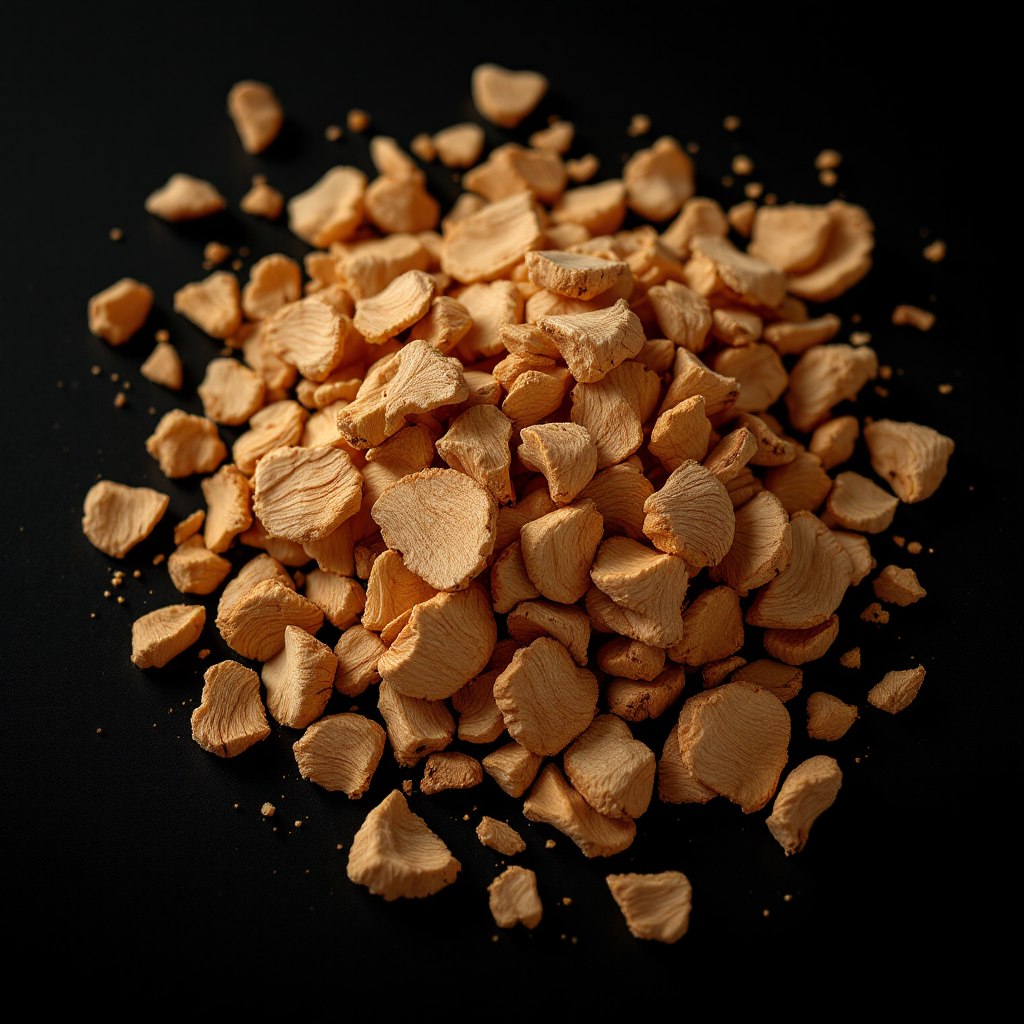
Australian White Cypress
Australian White Cypress distills ancient arboreal heritage into a scent that bridges the Outback's dry heat with cool, forest-floor elegance. Native to the continent's red dirt and scrubland, this botanical has perfumers reimagining what woody notes can do.
Character
How it smells
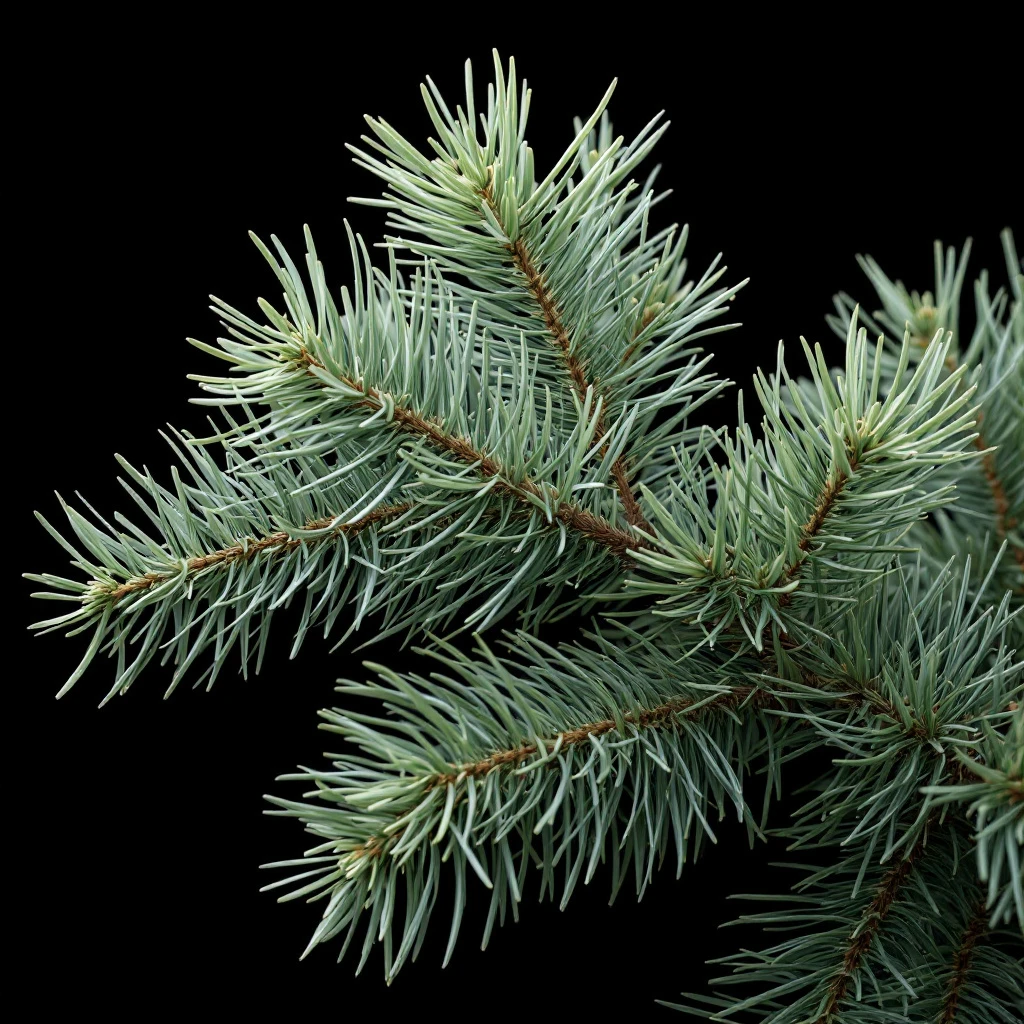
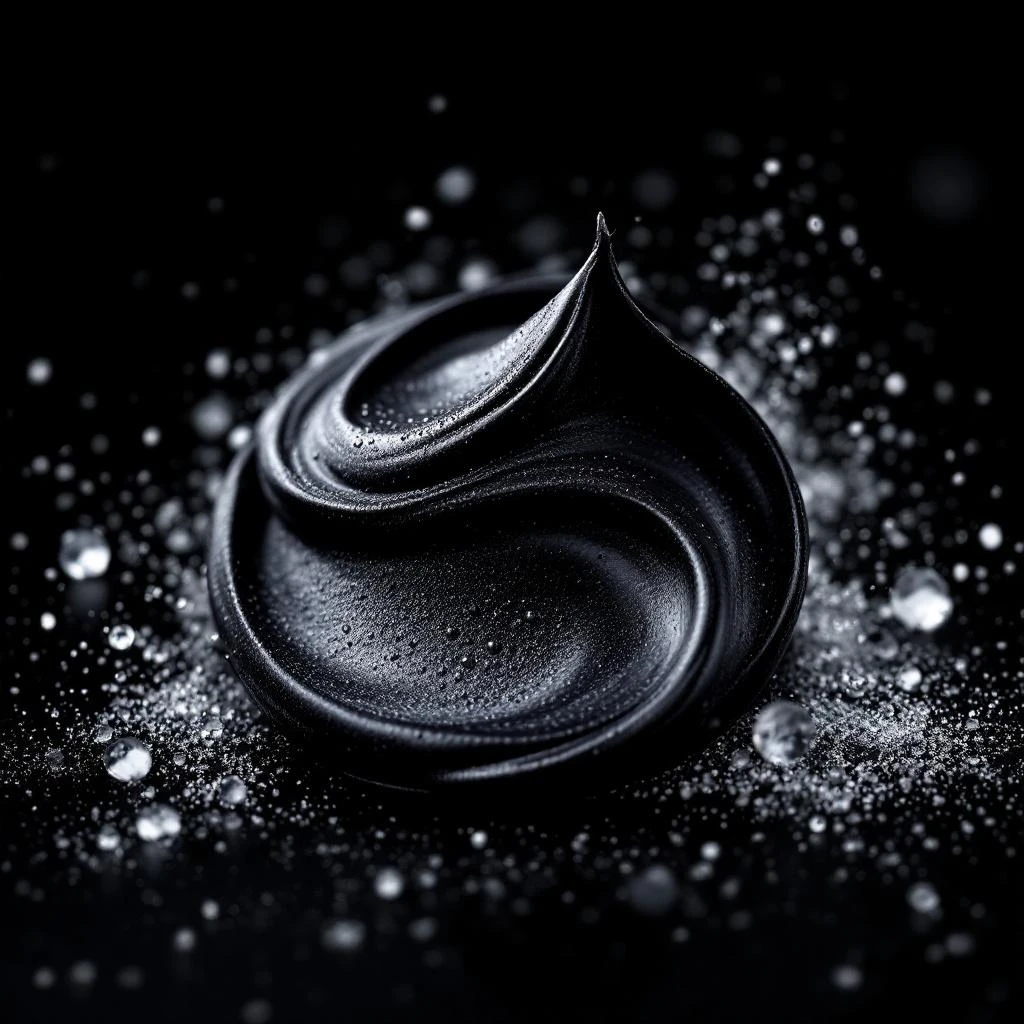
Dry, resinous, and unmistakably Australian
White Cypress trees can live for over 500 years, resin-preserved in the harsh interior landscape.






Origin
Australia
Indigenous Australians used White Cypress for ceremonial purposes and practical applications long before European settlers documented its properties. The resinous timber proved invaluable for tool-making and traditional medicine. Early colonial botanists classified the species in the late 18th century, recognizing its distinct character from Mediterranean cypress.
Today, sustainable harvesting practices honor traditional knowledge while meeting modern perfumery demands. The species grows across vast inland regions, from Queensland through South Australia, shaping the olfactory identity of the Australian bush.
Wears it best
Fragrances featuring Australian White Cypress
Brands
Brands known for Australian White Cypress
Good to know
Questions, answered
The essentials on Australian White Cypress in perfumery: how it smells, where it comes from, and how it behaves on skin.
What does Australian White Cypress smell like?
White Cypress offers a dry, woody aroma with warm resinous undertones and subtle citrus brightness. The scent carries a slightly camphoraceous edge that evokes sun-baked timber and native forest floors. It performs as a heart note that grounds lighter compositions with earthy depth.
How is White Cypress oil extracted?
Steam distillation pulls aromatic compounds from the leaves and small branches of Callitris columellaris. The process requires precise temperature control to capture the full terpene profile without degrading delicate volatile molecules. A single distillation run produces both the essential oil and a usable hydrosol.
Is White Cypress sustainably harvested?
Sustainable practices prioritize branch collection from standing trees rather than full harvest. The species regenerates readily after selective cutting, and regulated wildcrafting programs ensure long-term population health. Australian producers adhere to strict environmental guidelines protecting native forest ecosystems.
What fragrance families pair well with White Cypress?
White Cypress complements citrus, floral, and other woody notes naturally. It anchors bright bergamot and neroli while harmonizing with sandalwood and cedar. The note adds structure to aromatic and fougère compositions without overwhelming subtler accords.
How long have Indigenous Australians used White Cypress?
Traditional use predates written records by thousands of years. Aboriginal communities employed the timber for implements and incorporated the resin in ceremonial contexts. These applications informed early colonial interest in the species properties.
Where does White Cypress grow in Australia?
Callitris columellaris thrives across inland regions spanning Queensland, New South Wales, Victoria, and South Australia. The species adapts to semi-arid conditions and poor soils, forming distinctive open woodlands across the continent's drier interior zones.
Does White Cypress cause skin sensitivity?
The oil contains natural compounds that may irritate sensitive skin. Professional dilutions typically keep concentrations below 2 percent in finished fragrances. Patch testing remains advisable for individuals with fragrance sensitivities.
Can White Cypress replace Mediterranean cypress in formulas?
White Cypress shares woody, coniferous character but delivers distinct resinous warmth. Perfumers often use it alongside rather than as a direct substitute. The Australian origin and unique terpene profile offer different creative possibilities from its Northern Hemisphere cousin.