The Story
Why it exists.
The beginning
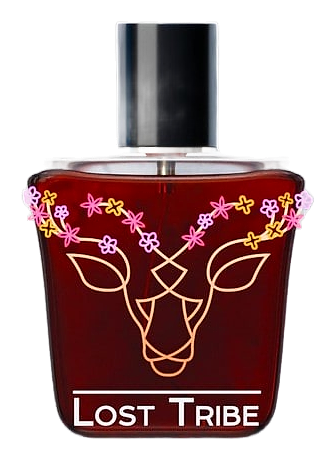
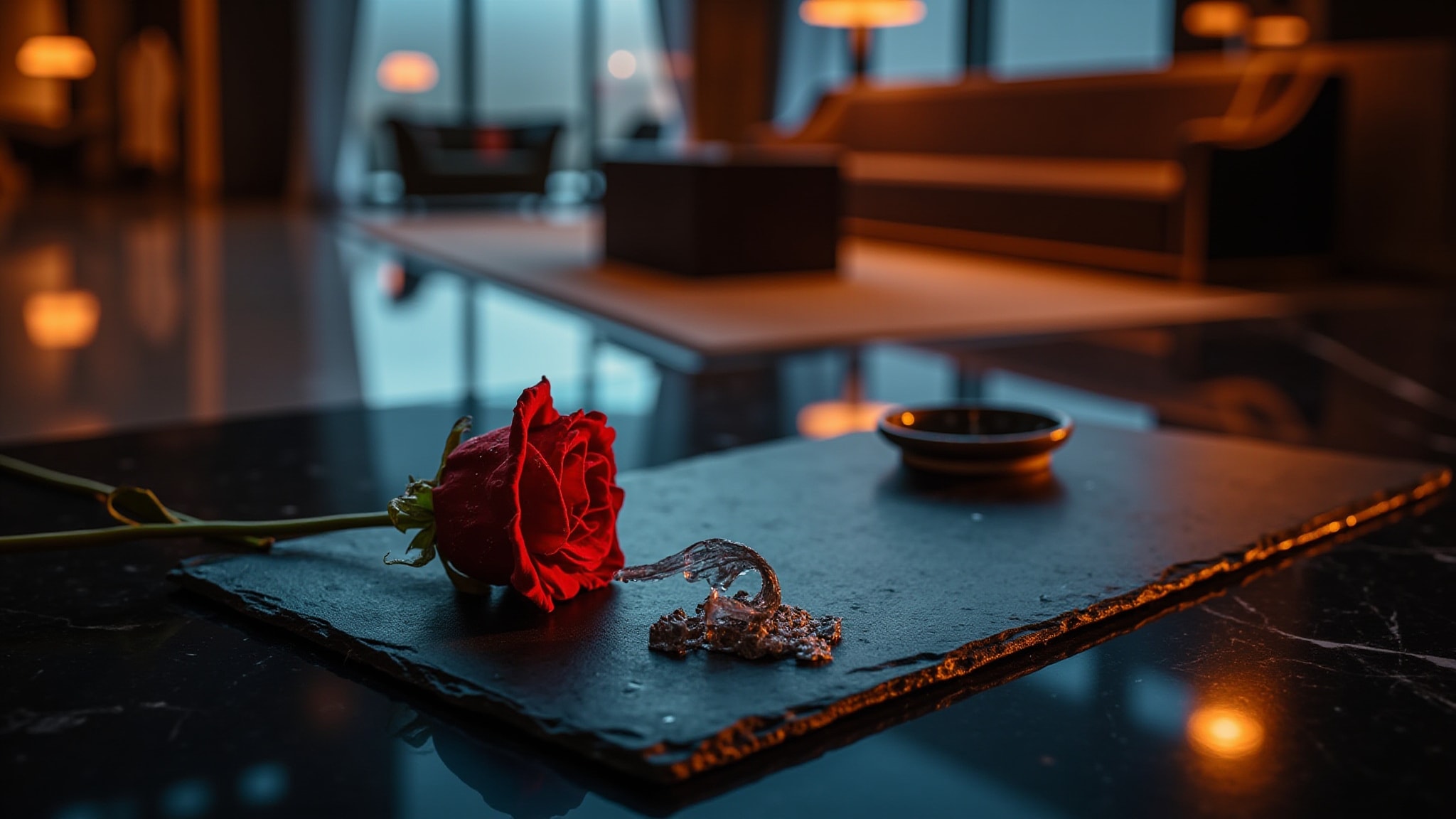
Fougère Rouge is Lost Tribe's 2025 composition built around the classic barbershop fougère skeleton, retuned with a scarlet floral core. Mathew Schmuelian constructed it as a Parisian-styled architecture: lavender, moss, citrus, coumarin, the traditional framework that generations of perfumers have leaned on. Then he pushed it sideways with a dark, animalic undertone that runs beneath everything. The rose isn't decorative; it's the architecture's loudest voice, threading from the first spray into the drydown where Mongolian deer musk gives it warmth and Malaysian oud roots it deep. The result is a composition that wears its heritage openly while refusing to behave.
What makes this fougère worth attention is the tension between its clean structure and its red-warm core. The composition builds the same skeleton (lavender, oakmoss, patchouli, bergamot) that the genre has used for over a century, then loads the heart with rose, night-blooming jasmine, and orange blossom before setting the base alight with Mongolian deer musk. That contrast: a pristine, barbershop-clean aromatic frame holding a sensual, almost animalic warmth at its center, is what gives it presence. Schmuelian isn't smoothing the edges.
The evolution
The opening is rose-forward and almost dewy, with lavender and neroli creating a cool, aromatic spine underneath. That spine doesn't go away; it just gets quieter as the mosses and patchouli arrive, pulling the composition earthward over time. As the hours pass, the structure shifts: sandalwood and thyme carry the composition, and the Mongolian deer musk does what rare animalic musks do, which is to make the skin feel warm and alive. The Malaysian oud is a whisper, not a roar, more a textural shadow than a dominant note, lending a faint resinous hum beneath the sandalwood. In the later hours the rose gradually folds into the base, losing its dewy lift and becoming something more like a dried petal pressed between pages. The neroli and lavender fade first, leaving behind a close, musky-rose-skin scent that reads intimate rather than performative.
Cultural impact
Fougère Rouge positions itself at an interesting intersection: a traditional fougère skeleton centered around rose and a rare, almost confrontational dose of Mongolian deer musk. For collectors drawn to natural-leaning materials, the botanical-forward composition adds another layer of interest beyond the scent itself, because the materials listed are ones that require careful handling to keep them readable. The rose-forward profile also makes it one of the more accessible ways to explore animalic territory: a fougère is familiar architecture, and the red-warm materials layered inside are what make it worth exploring.