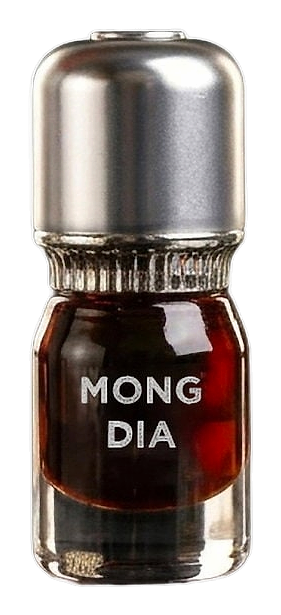
Mongolian Deer Musk
Mongolian Deer Musk ranks among the most storied animalic ingredients in perfumery. Harvested from the abdominal gland of the musk deer, this substance once defined luxury fragrances for millennia. Today, strict protections have made the natural product extraordinarily rare, reshaping how perfumers approach this legendary note.
Character
How it smells
Animalic, warm, and fixative. Perfume's oldest treasure.
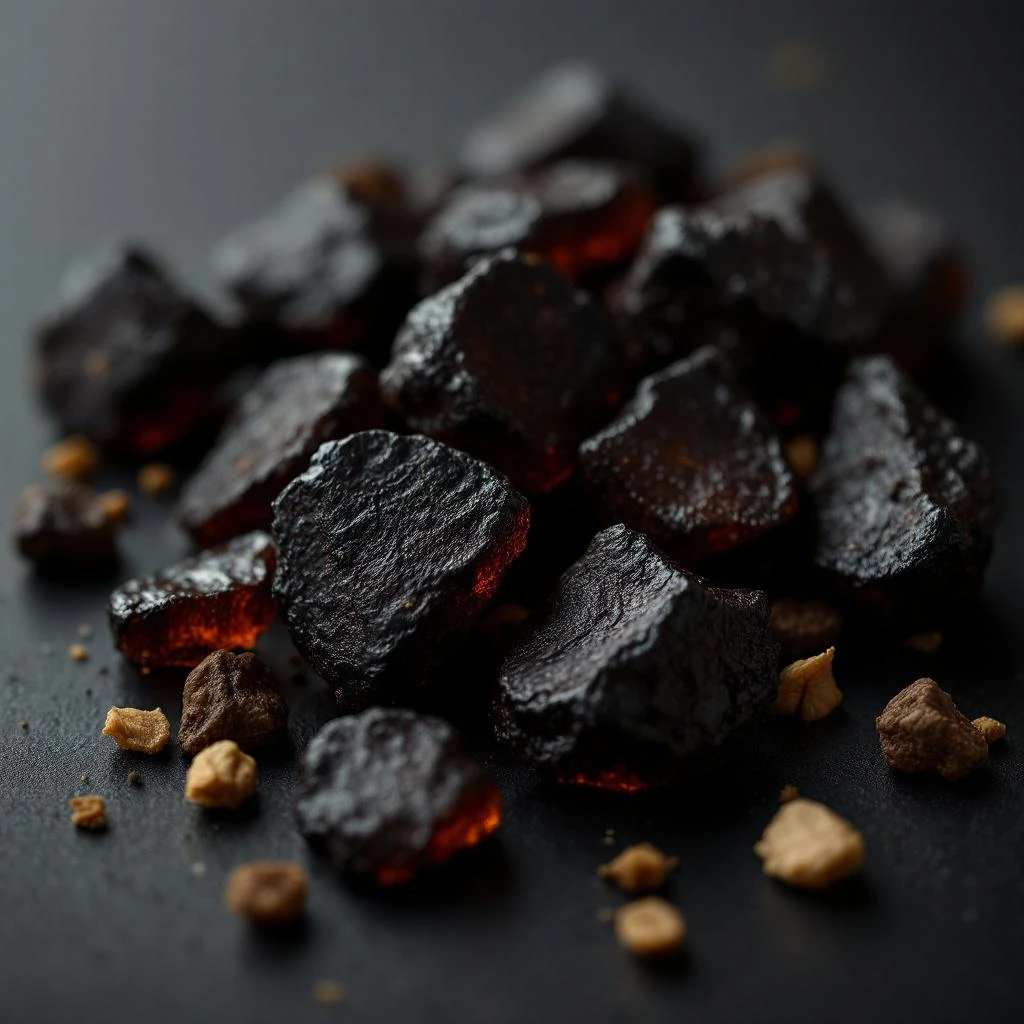
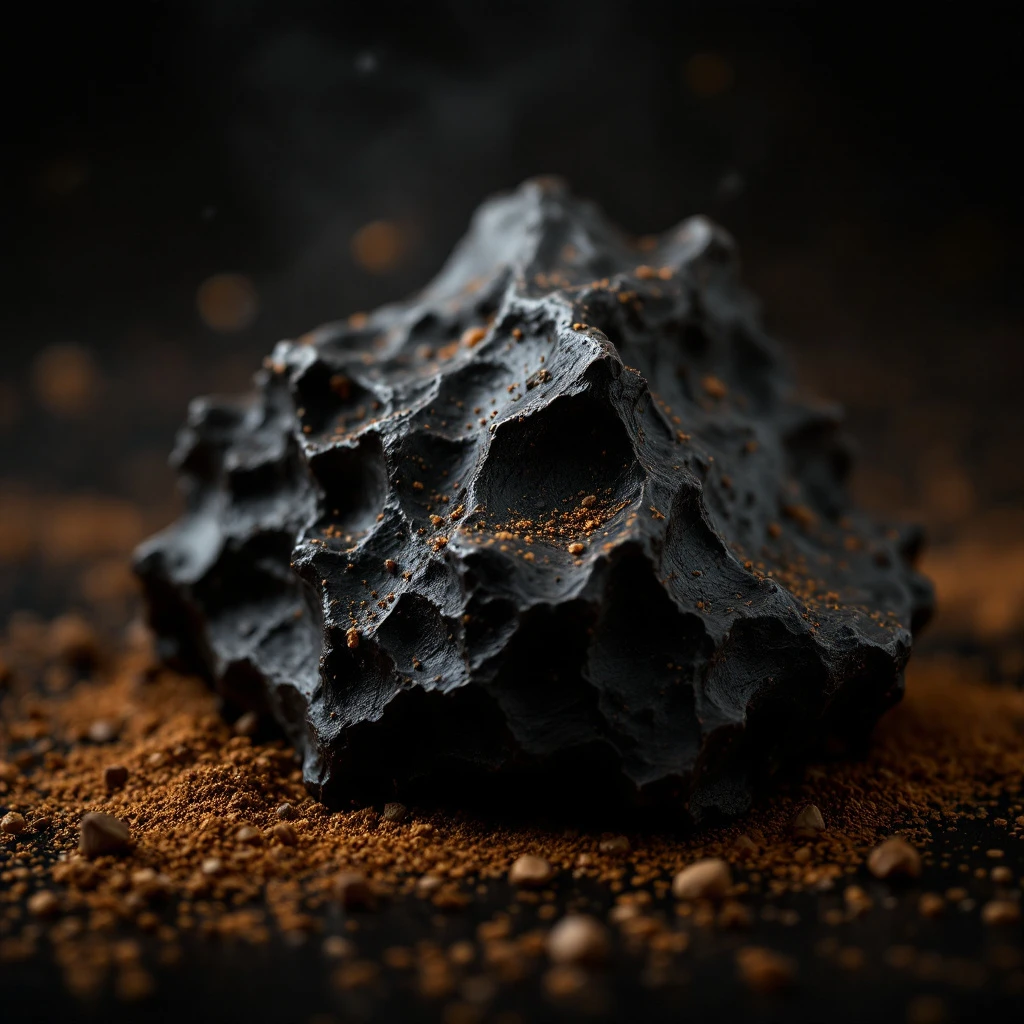
A single musk deer yields only about 25 grams of pod, making each harvest an intensely scarce resource.


Origin
Mongolia
Musk traces its use to the Sumerian civilization of Mesopotamia around 3000 BC, making it among the oldest perfume ingredients documented. Ancient Egyptian, Greek, and Roman cultures prized musk for its intense animalic character and remarkable staying power. Physicians across the ancient world prescribed musk for cardiac and nervous conditions, believing it held restorative properties.
The Silk Road transported musk eastward and westward, where it became central to court perfumery from Tang Dynasty China to Renaissance Europe. Kings and religious institutions hoarded musk as a sign of power and sacred ritual. The prized ingredient shaped perfume construction for over 4,000 years, long before chemistry offered alternatives.
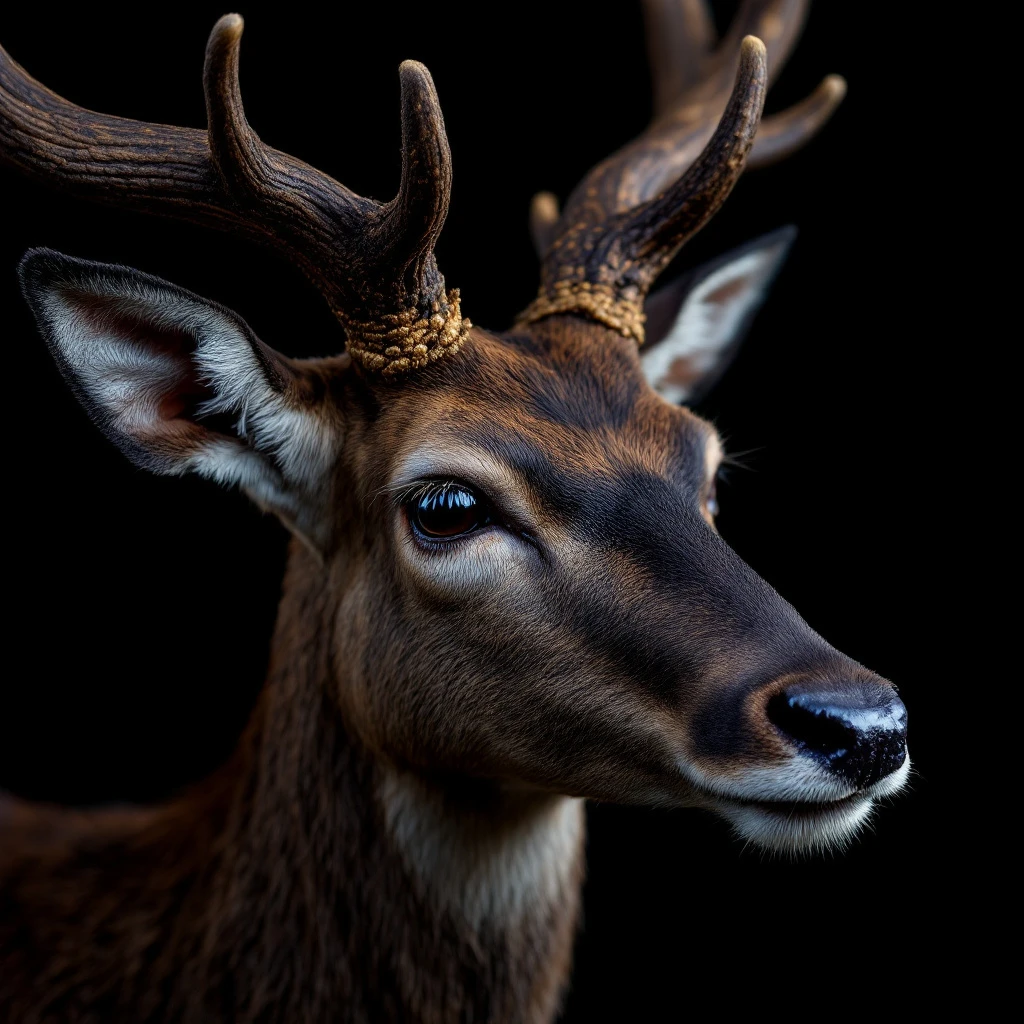
The musk deer itself, Moschus moschiferus, inhabits the rugged mountain forests of Mongolia, Siberia, and the Himalayas, a range that has determined both its cultural significance and, ultimately, its endangerment.
Wears it best
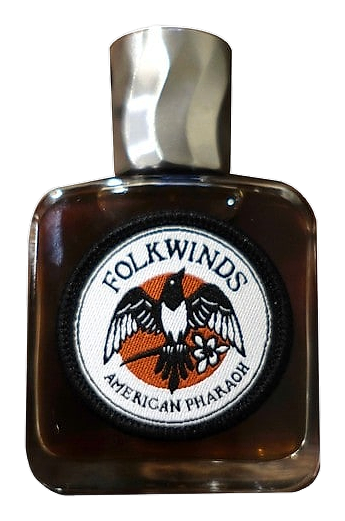
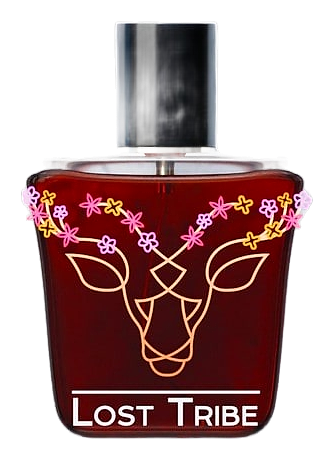
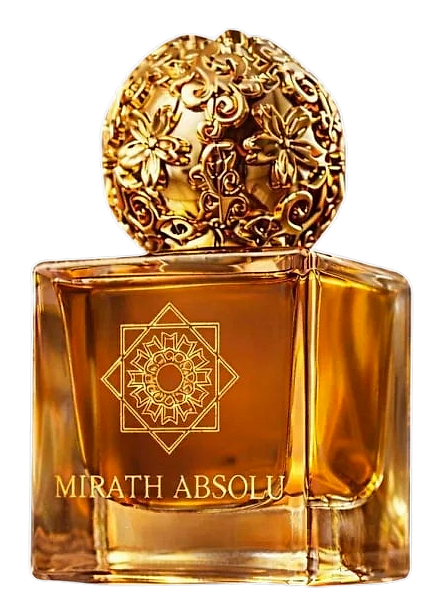
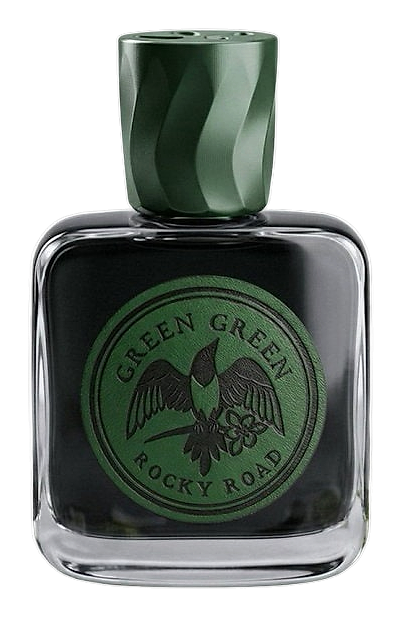
Fragrances featuring Mongolian Deer Musk
Brands
Brands known for Mongolian Deer Musk
Good to know
Questions, answered
The essentials on Mongolian Deer Musk in perfumery: how it smells, where it comes from, and how it behaves on skin.
What is deer musk and where does it come from?
Deer musk is a waxy, strongly aromatic substance secreted by the abdominal gland of the male musk deer. The species Moschus moschiferus inhabits Mongolia, the Himalayas, and Siberia. Historically, harvesters removed the gland after killing the animal, yielding only about 25 grams of usable material per deer.
What does natural deer musk smell like?
Natural deer musk carries a complex, animalic character. In raw form it reads as urinous and fecal with fecal sharpness. When aged and diluted, it becomes warm, soft, and intimately skin-like. Synthetic musks approximate this quality but lack the layered depth of the natural material.
Why is deer musk so important in perfumery?
Musk acts as a fixative, binding lighter fragrance molecules and slowing their evaporation. Before synthetic alternatives emerged, musk was the backbone of perfume longevity. A tiny amount could extend a fragrance's lifespan on skin from hours to days.
How is deer musk harvested?
Harvesters traditionally remove the entire gland from the abdominal cavity of the male musk deer. This extraction method always kills the animal. Each deer yields only a small pod, making the ingredient extraordinarily scarce and labor-intensive to obtain.
Why is natural deer musk controversial?
The harvesting method requires killing the deer, and demand historically drove severe population decline. Musk deer populations dropped sharply from unchecked illegal hunting across their range. This ethical and ecological reality pushed the fragrance industry toward synthetic alternatives and prompted international conservation measures.
What synthetic alternatives exist for deer musk?
Modern perfumery relies on synthetic musks like Muscone, Habanolide, Galaxolide, and Romandal. These lab-created compounds replicate the warm, enveloping character and fixative power of natural musk without the animal welfare concerns or supply scarcity.
How far back does the use of musk in perfumery go?
The earliest documented use of musk dates to approximately 3000 BC in Sumerian Mesopotamia. Ancient physicians and perfumers valued it for its intensity and longevity. Musk appears in texts from ancient Egypt, Greece, Rome, and across Asia, cementing its role as one of humanity's oldest perfume ingredients.
What is the current conservation status of the musk deer?
The musk deer is classified as Vulnerable by the IUCN Red List. International trade falls under CITES Appendix I, which bans commercial export for perfumery. Mongolia and other range states enforce protections, but illegal hunting for the black market continues to threaten remaining populations.