The Story
Why it exists.
The beginning
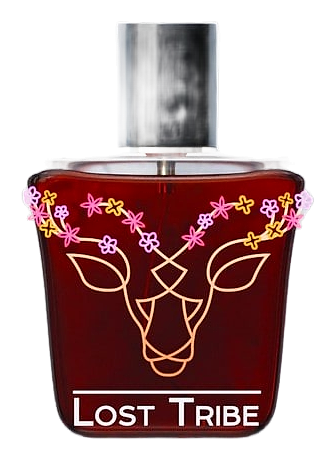
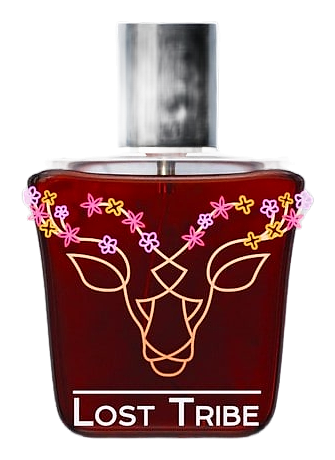
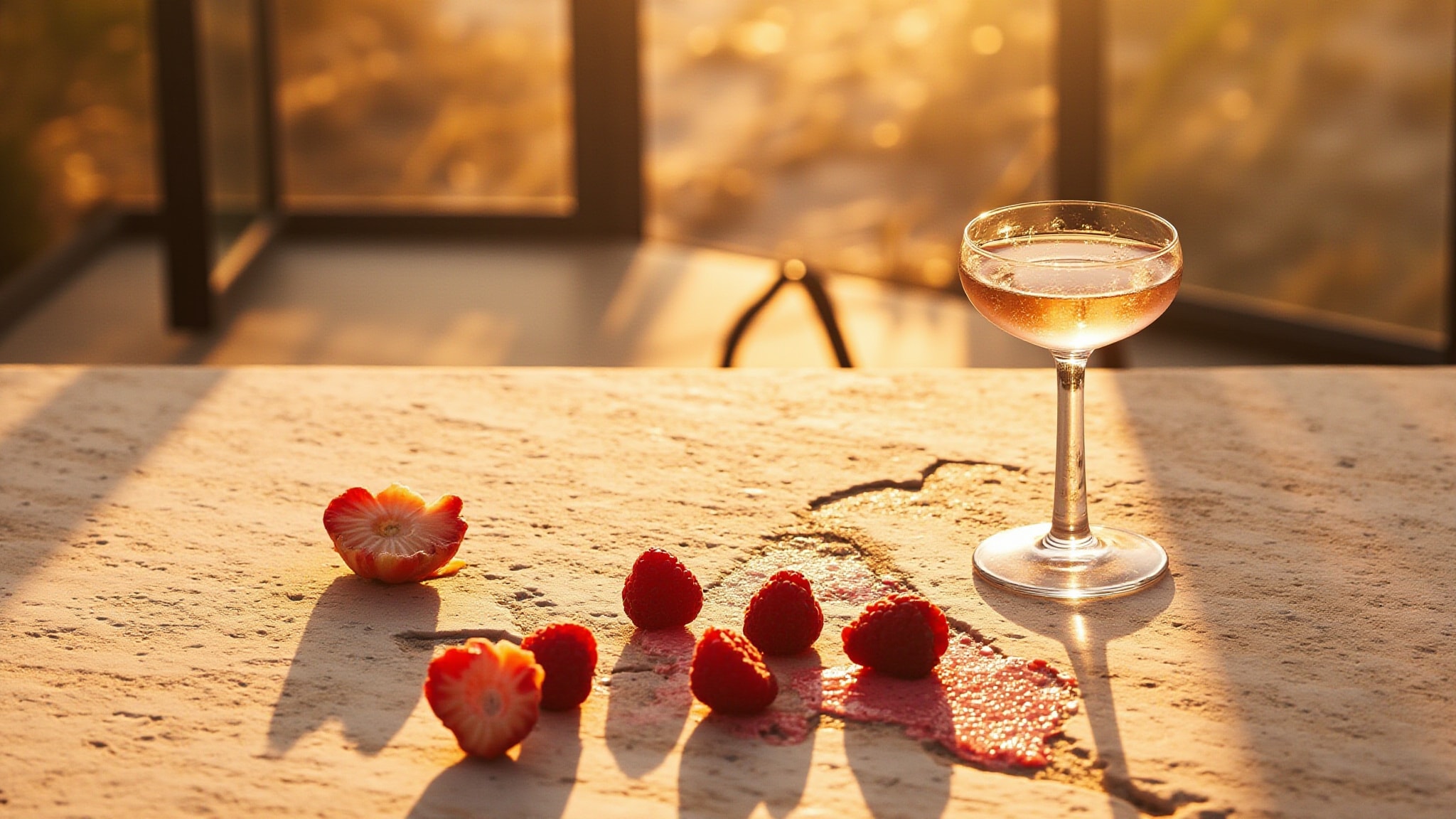
The Hamptons arrived in 2025 from Mathew Schmuelian, the brand owner and perfume maker behind Lost Tribe. Schmuelian built this one as an ode to a specific hour: late afternoon on the East End, when the wine gets poured slow and nobody's rushing for the exit. The Hamptons is Lost Tribe's most sun-soaked release yet. Only 35 bottles were made. That scarcity isn't an accident. It's the house's way of insisting these aren't products, they're entries in a diary. The fragrance opens with a clash of registers that feels almost deliberate. Yuzu cuts in sharp and citrus-bright, raspberry spills its sweetness underneath, and the civet is already there, warm and unmistakably alive. White ambergris lends a saline edge to the opening, the kind of salt that clings to skin after a swim in cold water.
The civet is the boldest choice on paper, and the one that earns the whole composition. Here it sits near the top, right next to the yuzu and the raspberry, which forces an early meeting between the clean and the carnal. The gardenia softens that meeting, sweet enough to cushion the civet without burying it. Then Sri Lankan oud and Mysore sandalwood arrive not to dominate, but to absorb everything that came before them. It's a composition built on tension between places: garden party and back bedroom, in the same breath.
The evolution
The opening is a bright collision of competing signals. Yuzu lifts sharp and almost electric, raspberry spills sweet underneath, and the civet is already there, warm and unmistakably alive. White ambergris gives that opening a salt-washed quality, an almost briny lift that keeps the sweetness from collapsing into syrup. There's a fleeting green note from the honeysuckle absolute that keeps things from going too dark too soon, a quick herbal breath before the florals arrive. As the composition settles, the rose otto and gardenia move in, and the whole thing tilts creamy. The civet doesn't retreat. It threads through the florals like a current you can feel but can't quite name. The raspberry mellows into something closer to jam than juice, less bright but deeper, richer, more cooked. Honeysuckle absolute adds a honeyed warmth that softens the edges without flattening them.
Cultural impact
The Hamptons has carved out a particular kind of attention among collectors who gravitate toward bold, naturals-driven compositions. The civet in the opening is the note that defines the fragrance for most wearers. It sits high in the structure, right alongside the yuzu and the raspberry, which makes the first impression unmistakable. For some, that early animalic presence is exactly the point. For others, it's the reason the scent doesn't work for daily wear. Either way, the civet functions as the fragrance's signature, the thing people remember long after the florals have faded.