The Story
Why it exists.
The beginning
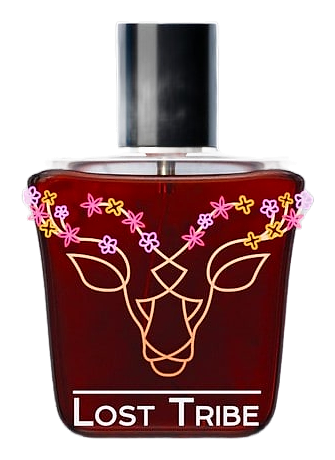
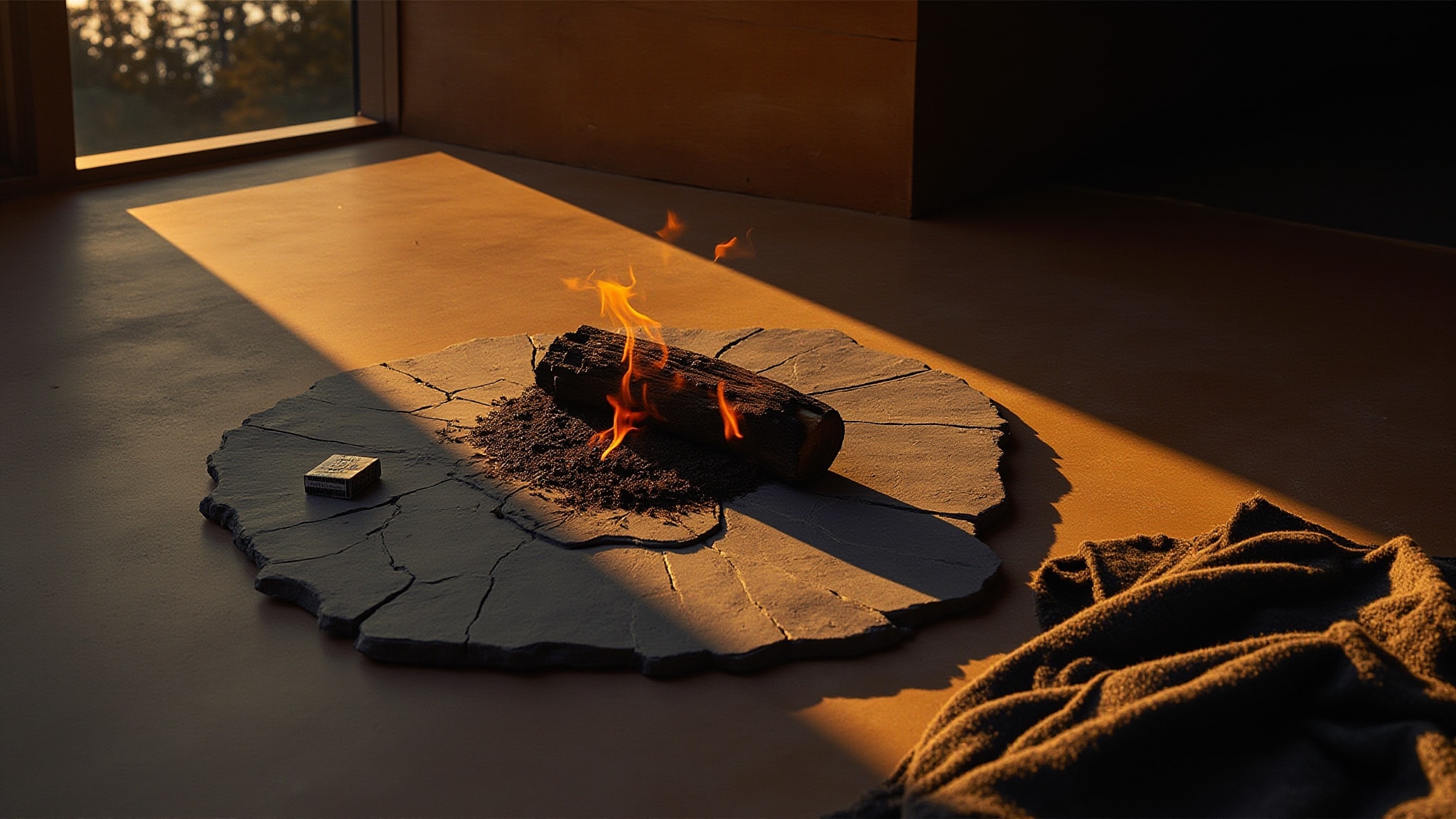
Ash arrived in 2023 from Lost Tribe, composed by Mathew Schmuelian, the brand's owner and perfume maker. It stands apart by stripping the formula down to its most elemental materials: wood, smoke, resin, and the dirt beneath, with virtually no florals in the composition. The result is a fragrance built on the kind of raw, unrefined materials most perfumers overlook, a quiet study in what smoke and earth can do when nothing else is competing for attention. Schmuelian's approach here feels less like conventional perfumery and more like an exercise in reduction, a deliberate stripping away of ornament until only the core materials remain, each one allowed to speak at full volume without harmony getting in the way.
What makes Ash unusual isn't any single note. It's what got left out. No roses, no jasmine, no sweetness to smooth the edges. Schmuelian built the composition around a trio of smoke sources, including Choya Ral and bakhoor, a bakhoor tincture reportedly sourced from Sultan Qaboos. The interplay between these smoke materials creates layers of dry, crackling heat, each one feeding the next in a slow combustion that feels organic rather than composed. There's a mineral sharpness to the Choya Ral that grounds everything, while the bakhoor introduces a meditative, almost church-like stillness.
The evolution
The opening is a controlled burn. Black pepper and jack pine crack open bright, almost sharp enough to sting, before the smoke rolls in and swallows the citrus. The top notes flare quickly, aggressive and immediate, a sharp aromatic burst that demands attention before settling into something quieter and more contemplative. As the composition unfolds, Nootka cypress takes the lead, that dry graphite-and-pencil-shavings quality that sounds strange but smells like staring at a fire. It holds for a long stretch, steady, unblinking, the dry wood character threading through every stage of the wear. The bakhoor surfaces in the later stages, lifting everything with a clean incense quality that keeps the wood from going flat or one-dimensional.
Cultural impact
Ash occupies a distinct space among smoke-forward wood fragrances, one defined by its commitment to smoke and earth without the usual sweetening agents. The composition reads less like a conventional perfume and more like an atmospheric statement, a scent that creates its own weather rather than fitting into an existing category. The bakhoor element gives it a meditative, ritualistic quality that sets it apart from compositions built on oud or amber. Wearers encounter something that resists easy categorization, a fragrance that demands a slower, more deliberate kind of attention.
The House
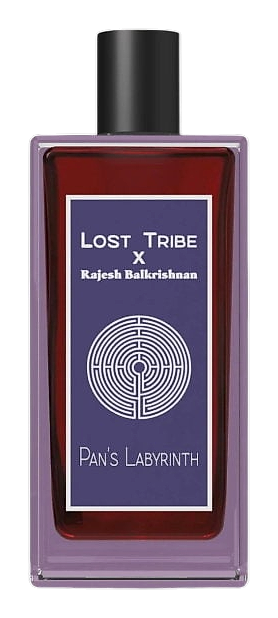
Lost TribeLost Tribe Perfumes is a New York‑based niche house that builds its identity around the unfiltered scent of the wild. The brand’s public statements stress a mission to reconnect wearers with the raw beauty of nature, and its catalogue reflects that aim with a steady stream of location‑inspired and narrative‑driven releases. From the coastal breezes evoked by The Hamptons (2025) to the desert heat captured in Dubai (2025), each fragrance is presented as a miniature landscape, crafted for collectors who value depth over trend. The house positions itself in the ultra‑niche segment, favoring natural ingredients and small‑batch production, and it maintains an active dialogue with its community through social platforms where enthusiasts share impressions and pairings.
The Creator
Mathew SchmuelianMathew’s style leans toward unisex blends that balance bright fruit with grounded woods. He often starts with a single natural note—ripe mango, smoked tobacco, or wild rose—and builds layers that echo its texture.