Cryptomeria
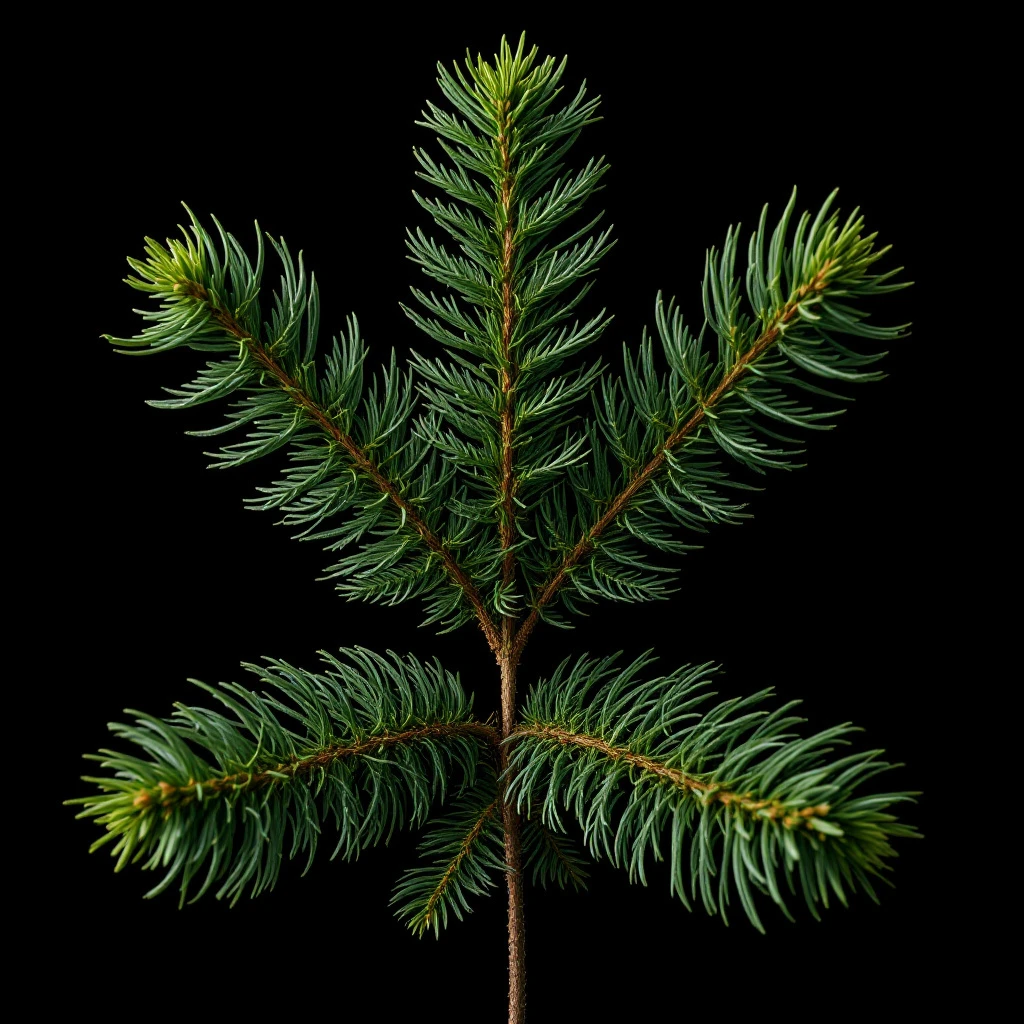
A towering conifer from Japanese forests, Cryptomeria (Japanese Cedar) produces a dry, pencil-shaving woody note that brings quiet forest depth to fragrance compositions.
Character
How it smells
The quiet grandeur of Japanese cedar forests.
A single Cryptomeria tree can live for over 1,000 years, making it one of the longest-living organisms used in perfumery.







Origin
Japan
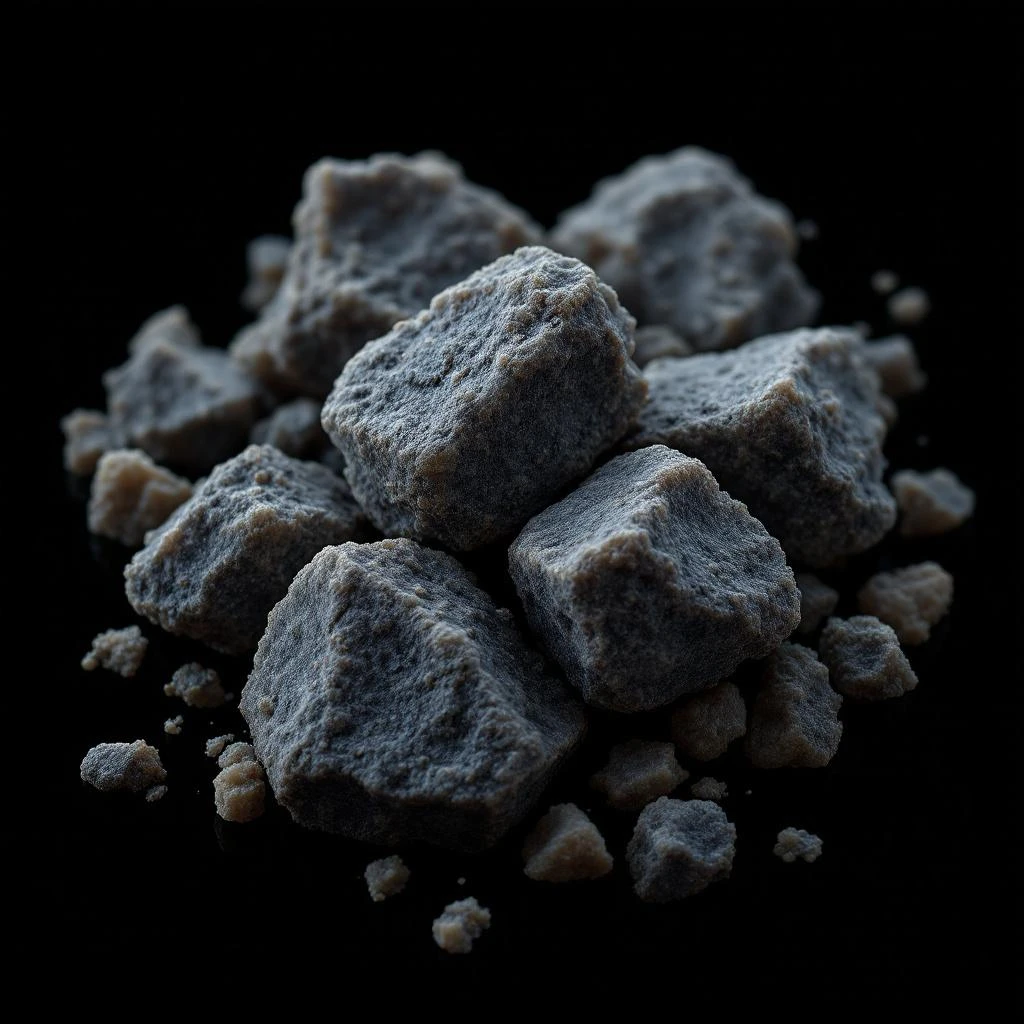
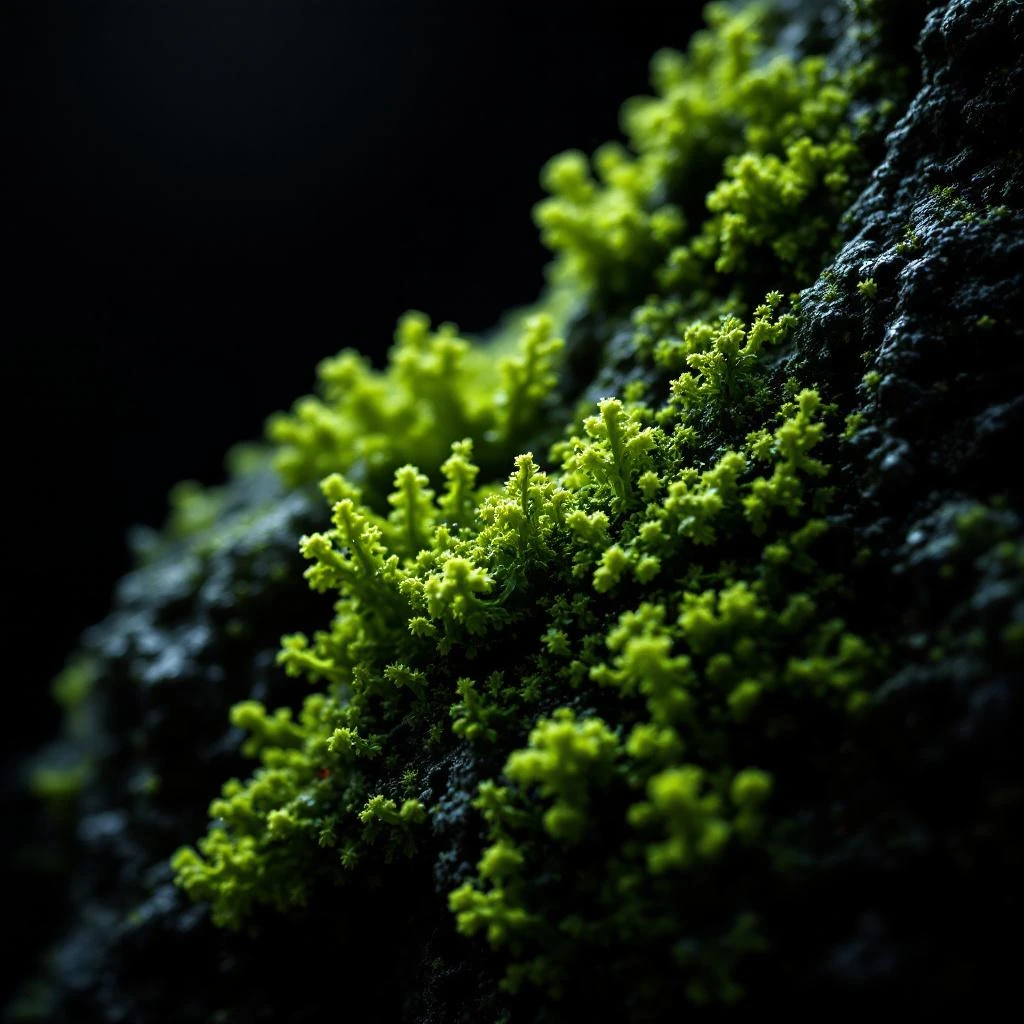
Cryptomeria japonica has anchored Japanese sacred groves for centuries. The tree appears throughout temple plantings and imperial gardens, valued for its straight trunk and evergreen foliage.
European botanists received the first live specimens in 1842, three years after the species reached English gardens. Western perfumers quickly noted its aromatic qualities, finding the wood yielded a cleaner, drier profile than Mediterranean cedar species.
Unlike those older traditions, Cryptomeria carries little turpentine character, making it more versatile in modern formulations. Today, Japanese perfumers draw on this material not only for its scent but for its cultural resonance, linking contemporary fragrances to centuries of forest heritage.
Wears it best
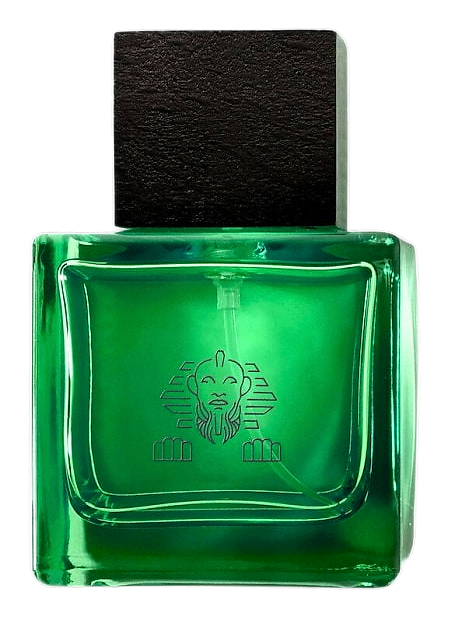
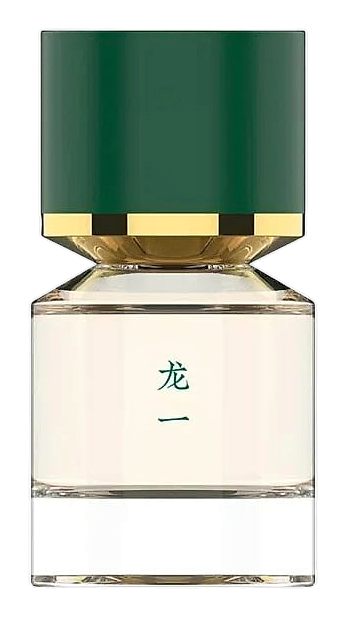
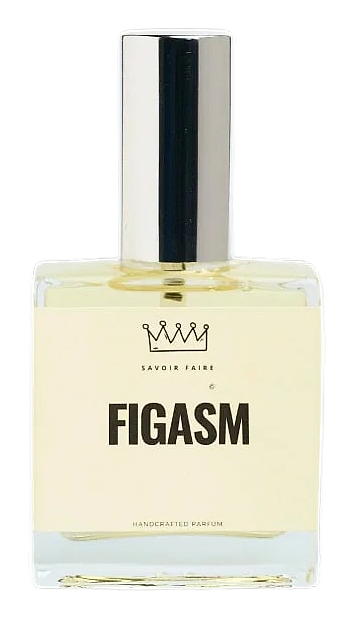
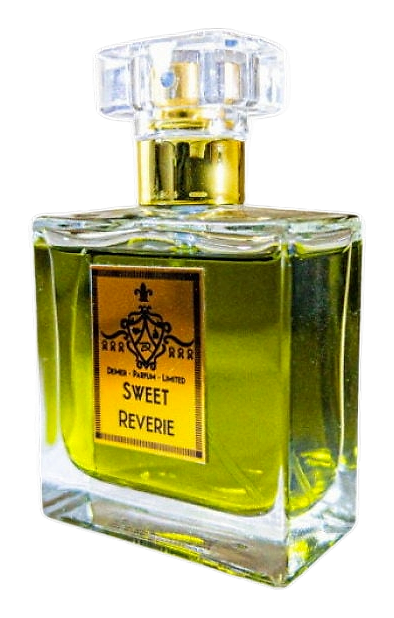
Fragrances featuring Cryptomeria


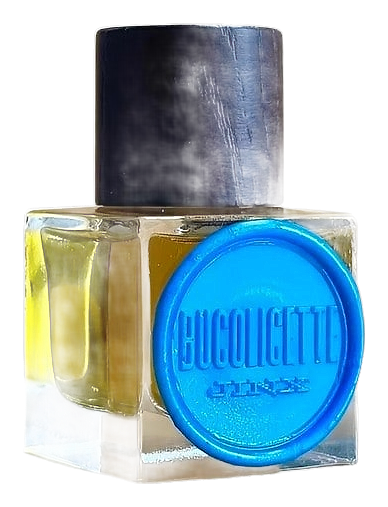

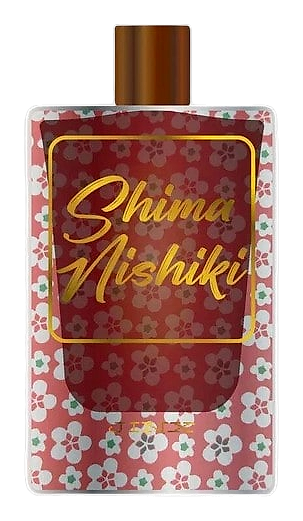
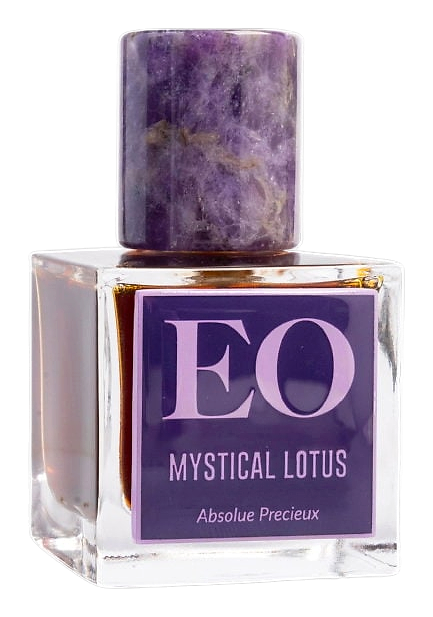
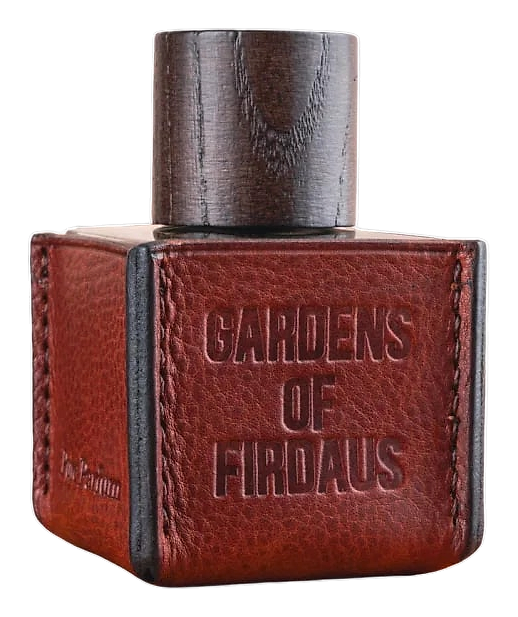
Brands
Brands known for Cryptomeria
Good to know
Questions, answered
The essentials on Cryptomeria in perfumery: how it smells, where it comes from, and how it behaves on skin.
What is Cryptomeria in perfumery?
Cryptomeria is Japanese Cedar, a conifer whose wood yields a dry, pencil-shaving aroma through steam distillation. Perfumers value the oil as a base note that adds quiet forest depth and clean woody character.
How does Cryptomeria smell?
Cryptomeria presents a dry, pencil-wood aroma without the turpentine edge found in Mediterranean cedars. The scent is clean, slightly sweet, and evokes standing among ancient conifer forests.
Where does Cryptomeria grow?
Cryptomeria japonica is native to Japan and China, where it grows in humid mountain forests. The species reached European botanical gardens in the 1840s.
How is Cryptomeria oil extracted?
Producers chip the heartwood and steam-distill it for 12 to 24 hours. The resulting oil yields between 1 and 5 percent by weight of the processed wood, with some producers fractionating it further.
Is Cryptomeria used in modern perfumery?
Yes. Cryptomeria appears in men's fragrances, woody compositions, and sometimes in skincare and home products. Its clean profile makes it popular among perfumers seeking refined cedar character.
How does Cryptomeria differ from other cedarwoods?
Unlike Atlas or Virginian cedar, Cryptomeria lacks significant turpentine notes. The result is a cleaner, drier woody aroma more suited to contemporary fragrance compositions.
What fragrance families use Cryptomeria?
Cryptomeria belongs primarily in woody and aromatic families. It pairs well with other conifer notes, sandalwood, vetiver, and citrus for contrast.
Can synthetic alternatives replace Cryptomeria?
Synthetic cedarwood materials exist, but they lack the complexity of natural Cryptomeria oil. Natural extraction remains preferred for high-end perfumery.