Linalyl Acetate
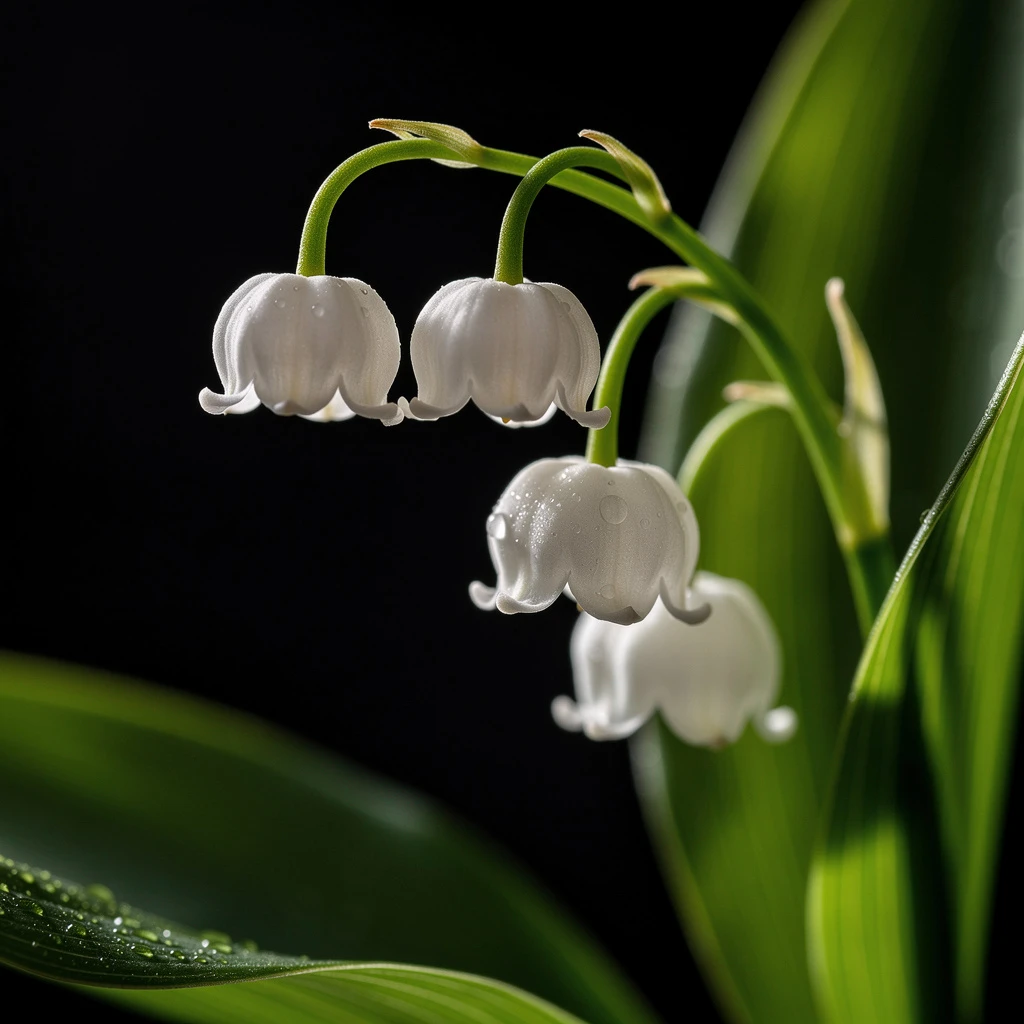
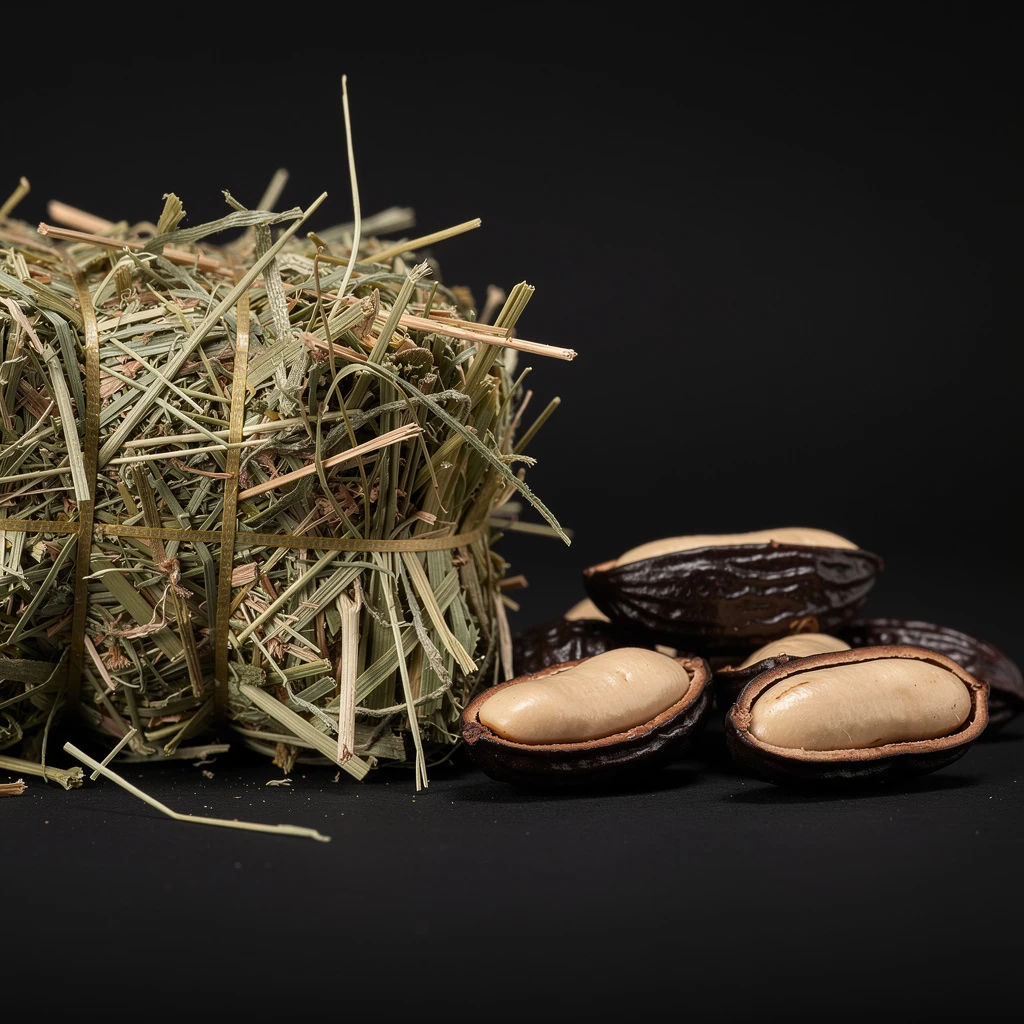
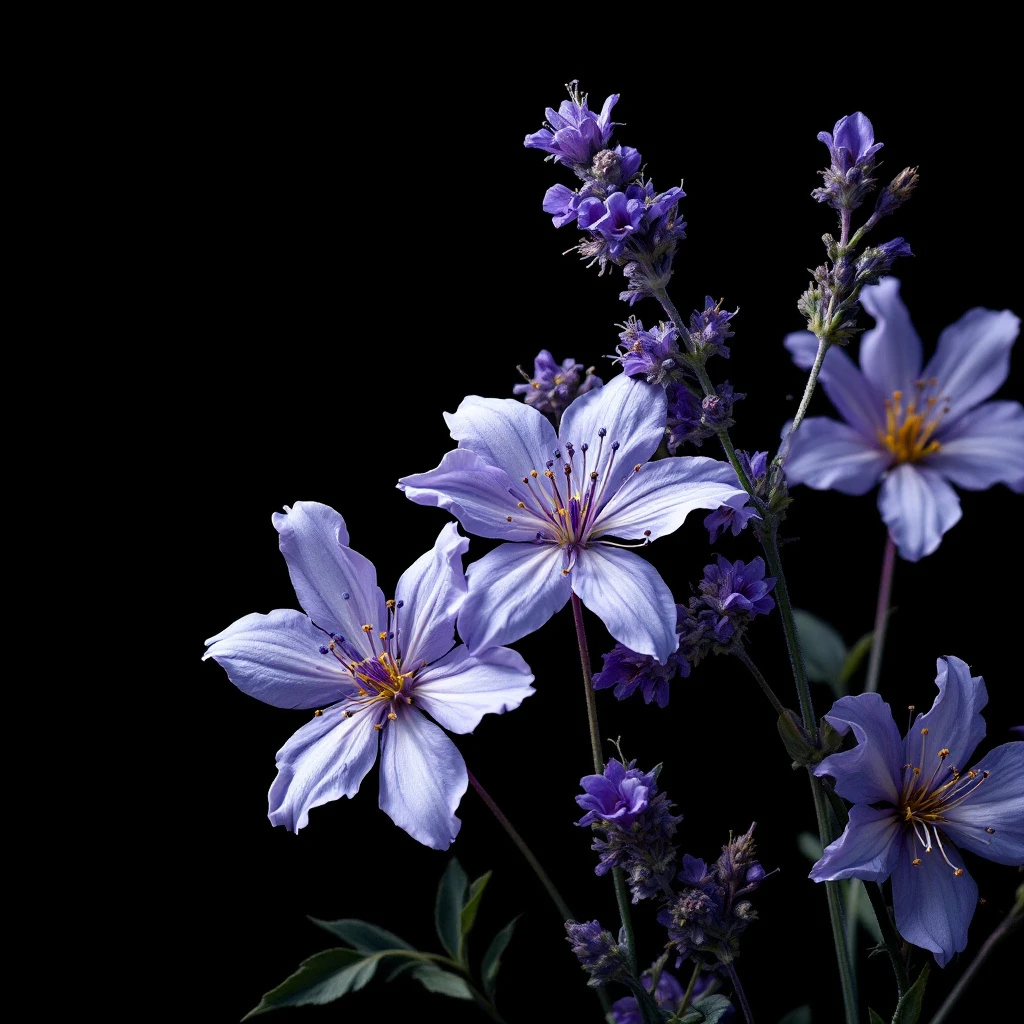
Part of lavender, bergamot, and coriander, linalyl acetate brings a sweet, floral freshness that anchors countless modern fragrances. This ester of linalool and acetic acid defines the clean, calming character of lavender reconstitutions.

Character
How it smells
The sweet ester that defines lavender
This single compound appears in 60-90% of cosmetic products worldwide, quietly shaping the fresh, floral character of your daily fragrances.




Origin
France
The identification and isolation of linalyl acetate occurred alongside broader advances in fragrance chemistry during the late 19th and early 20th centuries. Early perfumers recognized lavender oil's characteristic sweet-floral character came from components beyond linalool itself. The compound gained industrial significance after the 1960s, when fragrance houses systematically developed synthetic reconstitution formulas for lavender and bergamot.
These reconstitutions allowed perfumers to replicate popular natural notes with greater consistency and lower cost. By the 1970s, linalyl acetate had become one of the most widely used fragrance materials globally, appearing in everything from fine perfumes to functional consumer products. Its success helped establish the economic model of synthetic fragrance ingredients that continues to dominate the industry today.
While natural lavender and bergamot remain prized in niche perfumery, linalyl acetate's synthetic production ensured its place as a foundational material in modern fragrance creation.
Wears it best
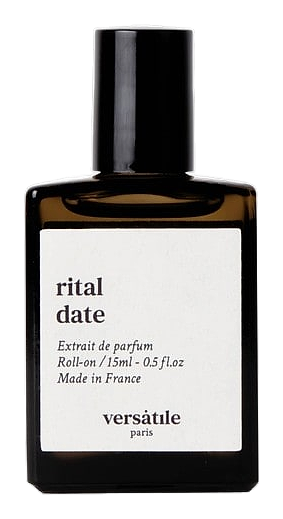
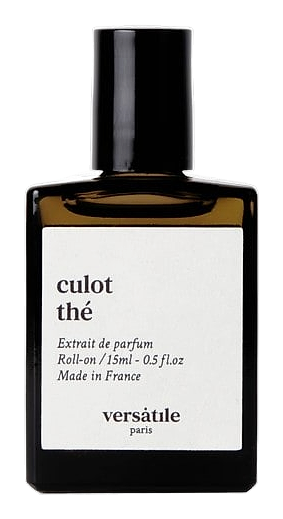
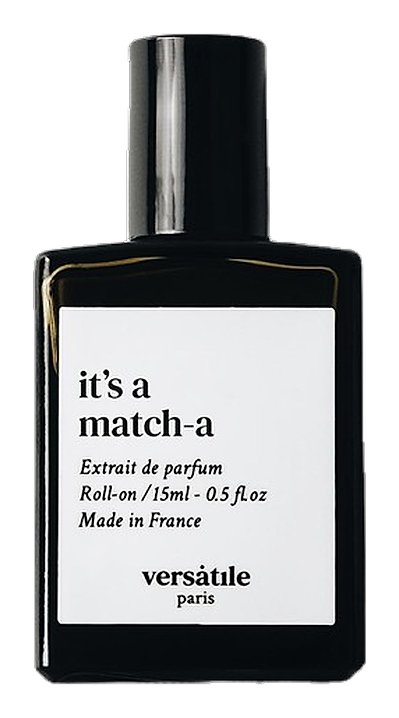
Fragrances featuring Linalyl Acetate
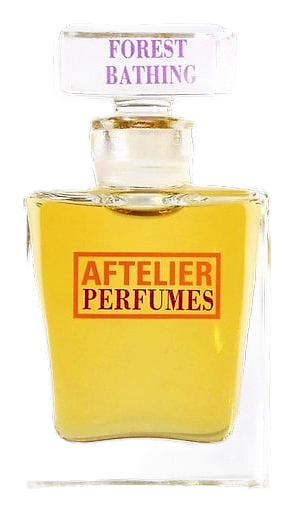
Brands
Brands known for Linalyl Acetate
Good to know
Questions, answered
The essentials on Linalyl Acetate in perfumery: how it smells, where it comes from, and how it behaves on skin.
What does linalyl acetate smell like?
Linalyl acetate has a sweet, floral, slightly citrusy aroma reminiscent of fresh lavender with subtle bergamot undertones. It contributes freshness and roundness to fragrance compositions.
Is linalyl acetate natural or synthetic?
Linalyl acetate occurs naturally in lavender, bergamot, and clary sage. Commercial production today relies primarily on synthetic esterification for consistency and supply stability.
Which fragrances feature linalyl acetate prominently?
Linalyl acetate appears prominently in lavender-forward compositions, citrus-fresh fragrances, and floral bouquets. It serves as a key component in most lavender reconstitutions used across fine perfumery.
What is the difference between linalyl acetate and linalool?
Linalyl acetate is the ester formed when linalool combines with acetic acid. Linalool provides a more rounded, woody floral note, while linalyl acetate delivers brighter, sweeter citrus-floral character.
Is linalyl acetate safe for skin application?
Linalyl acetate demonstrates low sensitization potential at cosmetic concentrations. Regulatory bodies worldwide approve its use in fragrance compounds within specified concentration limits.
Why is linalyl acetate so important to perfumery?
Linalyl acetate appears in up to 90 percent of cosmetic products due to its versatility, favorable scent profile, and role in replicating lavender and bergamot notes reliably at scale.
What fragrance families use linalyl acetate?
Linalyl acetate features across fougere, aromatic, citrus, fresh floral, and chypre families. It bridges top and heart notes, providing fresh opening character and supporting floral heart compositions.
Does linalyl acetate occur in essential oils besides lavender?
Beyond lavender, linalyl acetate appears in bergamot, clary sage, coriander seed, petitgrain, and neroli oils, though concentrations vary significantly across these botanical sources.
In the same family