Linalool
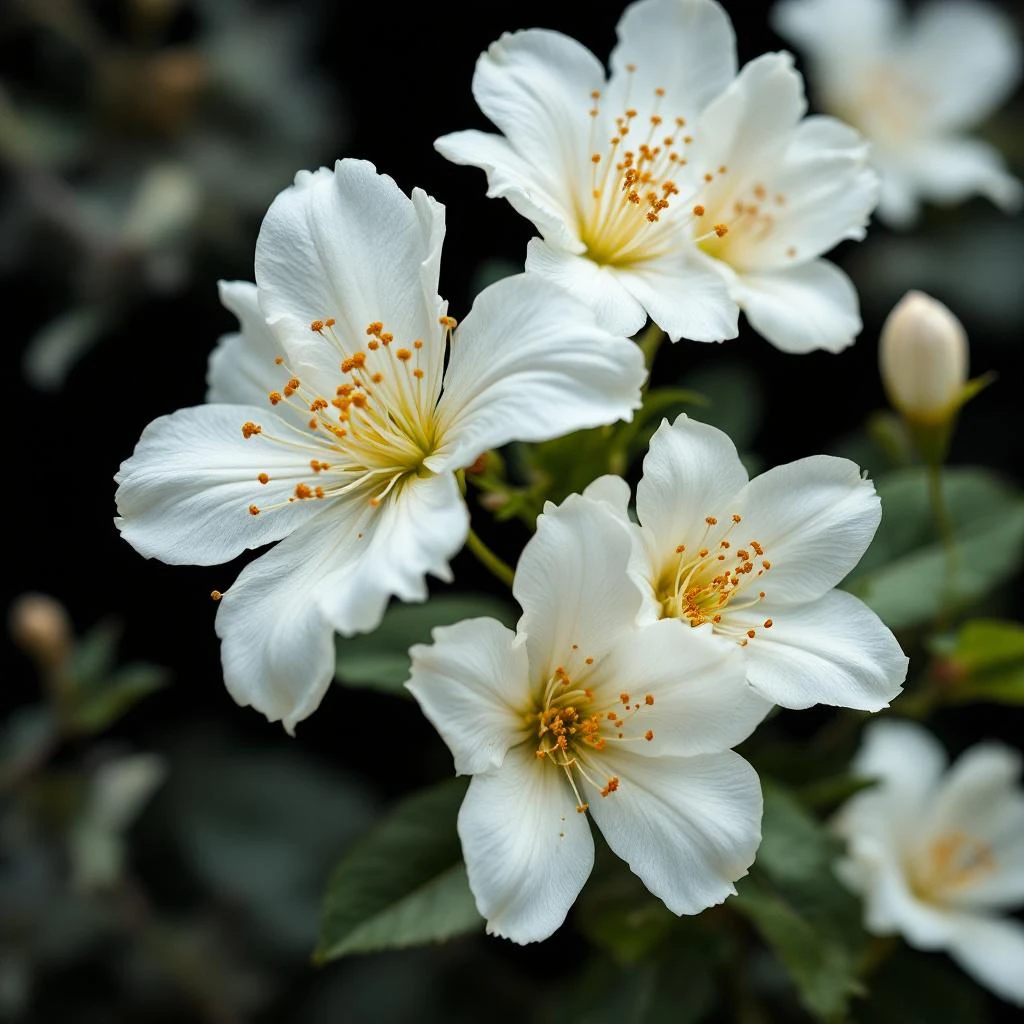
Linalool is one of the most omnipresent aroma chemicals in modern perfumery. This monoterpene alcohol occurs naturally in over 200 plant species, from lavender to jasmine, and serves as a fragrant foundation for countless fragrances you encounter daily.
Character
How it smells
The floral cornerstone found in almost every perfume.
Linalool appears on the ingredient labels of roughly 80% of commercial perfumes, making it one of the most frequently declared compounds in the industry.




Origin
France
The isolation of linalool dates to 1875, when a French chemist named Licare first extracted the compound from Cayenne Bois de Rose oil harvested in French Guiana. This early work established the compound's chemical identity and sparked interest in its aromatic properties. The discovery coincided with French Guiana's position as a major rosewood supplier, a trade that would later drive conservation concerns as wild populations declined.
Throughout the early 20th century, perfumers incorporated linalool into fragrance formulas as a cost-effective way to introduce soft floral notes without the expense of natural absolutes. The compound gained particular prominence during the 1950s and 1960s when synthetic aroma chemicals transformed the perfume industry, allowing fragrances to be produced at scale with consistent quality. Contemporary perfumers regard linalool as fundamental workbench material, much as their predecessors viewed natural jasmine absolute.
Its ubiquity reflects both practical economy and the compound's genuine olfactory appeal, a combination that has sustained its use for over a century and a half.
Wears it best
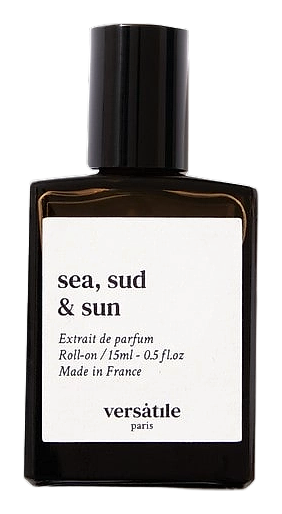
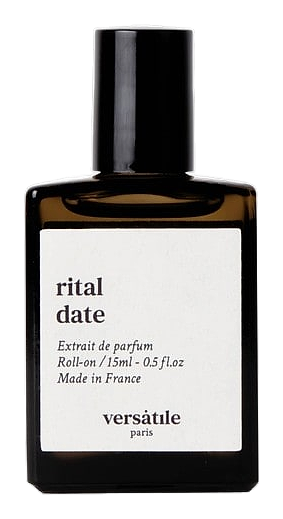
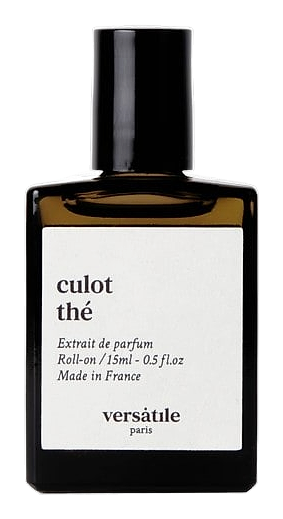
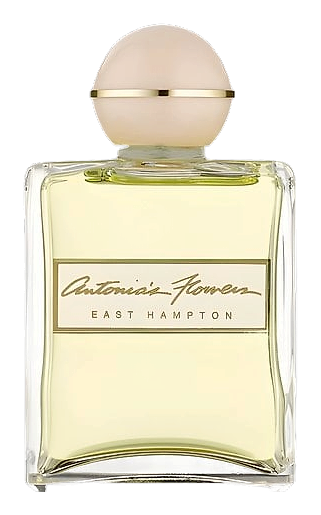
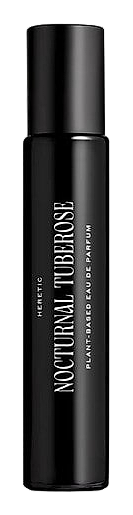
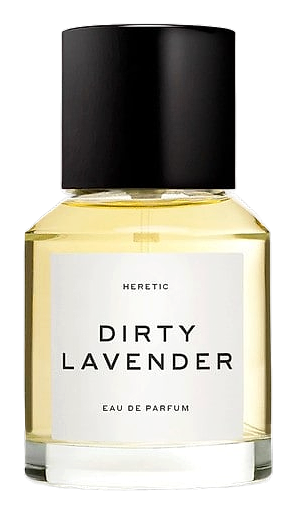
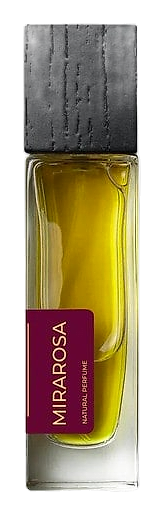
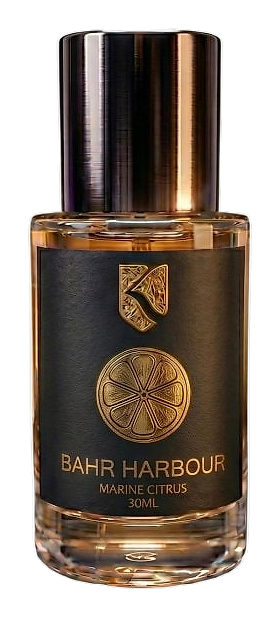
Fragrances featuring Linalool
Brands
Brands known for Linalool
Good to know
Questions, answered
The essentials on Linalool in perfumery: how it smells, where it comes from, and how it behaves on skin.
What exactly is linalool in perfumery?
Linalool is a monoterpene alcohol that occurs naturally in over 200 plant species including lavender, jasmine, and bergamot. In perfumery, it functions as a fragrance ingredient that contributes soft, floral, and slightly citrusy notes to a composition.
Why does linalool appear on so many perfume labels?
Linalool appears on labels due to allergen declaration requirements under IFRA and EU cosmetics regulations. Perfumers must list it when concentration exceeds certain thresholds in leave-on skin products, making it one of the most commonly declared ingredients in the industry.
Is linalool natural or synthetic?
Linalool exists naturally in many plants, but it is also produced synthetically at industrial scale. Both versions share identical molecular structures and produce equivalent aromatic profiles, though natural linalool commands higher prices due to extraction costs.
What does linalool smell like?
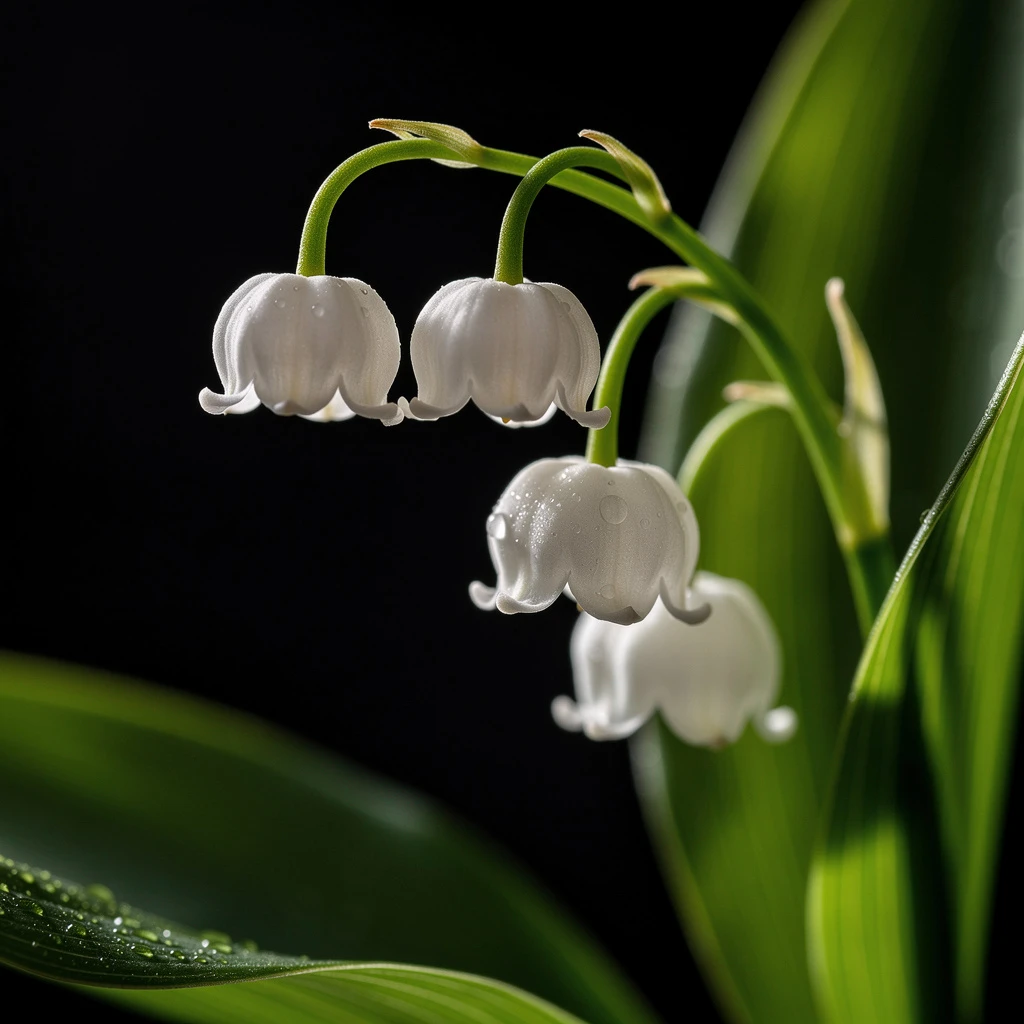
Linalool presents as a soft, floral aroma with characteristics of both lavender and lily of the valley, balanced by subtle citrus and spicy undertones. It reads as fresh, slightly sweet, and clean in fragrance compositions.
Which plants contain the highest linalool concentrations?
Lavender flowers contain the highest natural concentrations, with some varieties yielding up to 40% linalool content. Coriander seeds, ho wood, and certain rosewood species also serve as significant commercial sources for natural extraction.
What role does linalool play in skincare products?
Beyond fragrance, linalool functions as a flavoring agent and appears in creams, ointments, and lotions. Research indicates it may offer mild antimicrobial and anti-inflammatory properties, though its primary function in cosmetics remains aromatic.
How long has linalool been used in fragrance?
Linalool entered industrial fragrance use in 1875 when a French chemist first isolated it from rosewood oil. The compound gained widespread adoption during the mid-20th century synthetic fragrance revolution and remains foundational to modern perfumery.
Is linalool safe for skin application?
Regulatory bodies including the FDA and IFRA approve linalool for cosmetic and food use. It may cause sensitization in some individuals with prolonged skin contact, which is why cosmetic regulations require allergen disclosure on product labels.
In the same family