The Story
Why it exists.
The beginning
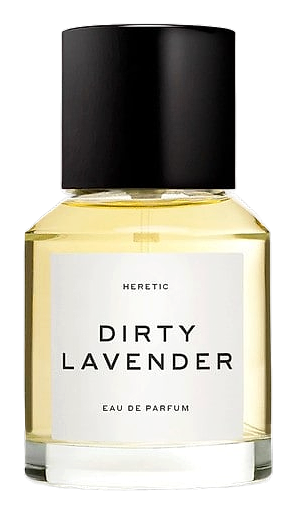
Douglas Little built Heretic around a simple provocation: natural perfumery deserves better than housewife energy. When the industry told him botanical ingredients couldn't hold their own, he made a brand out of proving them wrong. Dirty Lavender continues that argument, this time by taking lavender itself to task. The name isn't a quirk. It's the accusation. Lavender has been polished, laundered, and defanged into a comfort scent. This is the version that remembers what the plant actually is before someone decided it should smell like pillow spray and hotel corridors. Released in 2020, it's a niche composition made for people who want their fragrances to do something, not just smell nice.
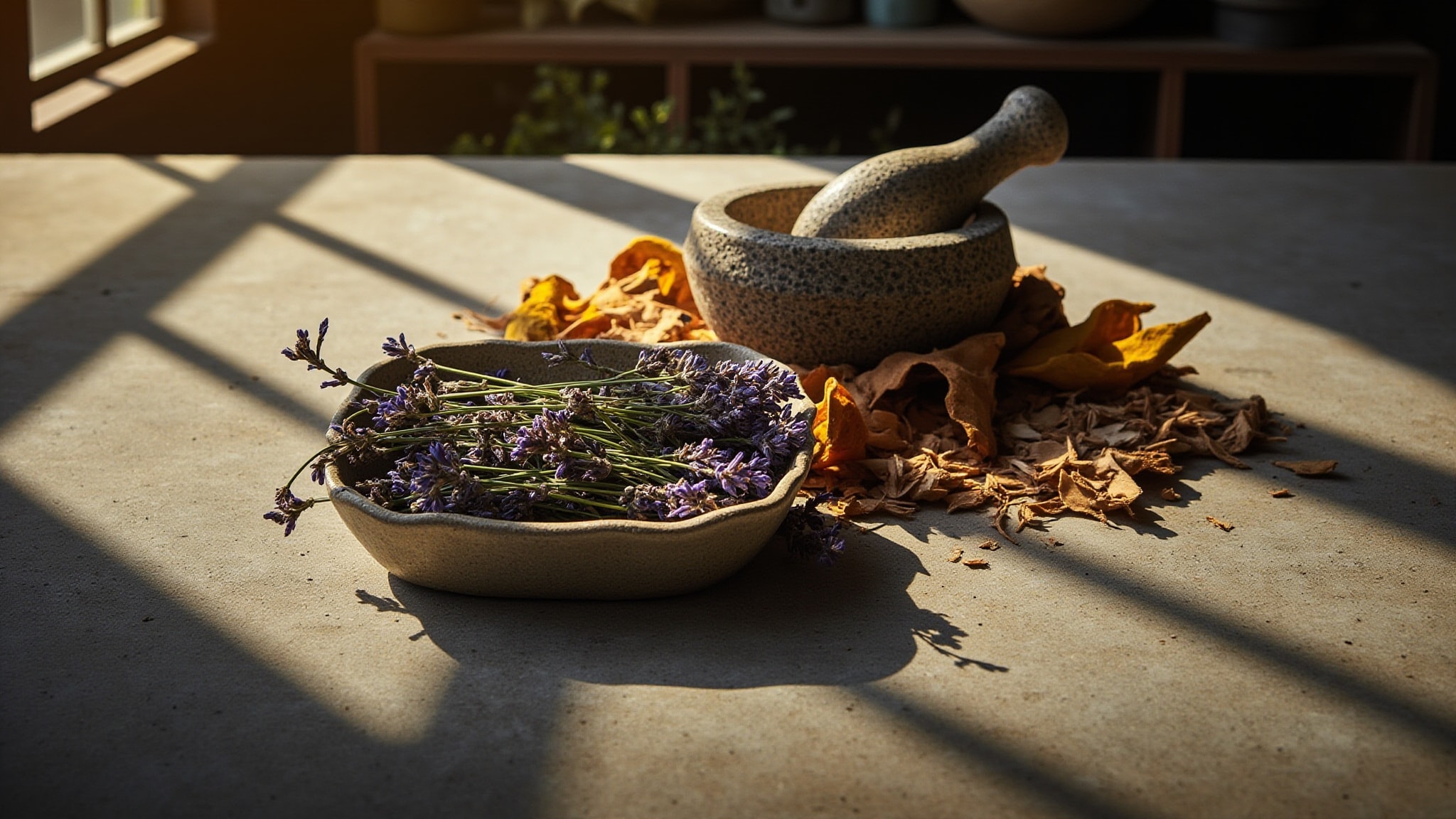
What makes this work is the hemp. Present in the heart alongside additional lavender absolute, neroli, and linalool, it doesn't read as the cannabis note you'd expect from stoner perfumery. Instead it adds a green, almost meditative depth that steadies the lavender rather than competing with it. The base builds from amyris, palmarosa, palo santo, sandalwood, and vetiver, a wood-and-grass accord that keeps the drydown intimate and close. For a fragrance built on an herbaceous top, it lasts longer than expected. Natural ingredients without synthetic fixatives tend to fade faster, but this one holds for eight to ten hours on most skin types.
The evolution
The opening hits immediately. Bitter orange and cedar announce themselves in the first few minutes, sharp and citrusy, with lavender absolute adding an herbal counterpoint that keeps it from reading like furniture polish. There's a clarity here, almost medicinal in the best way, like crushed leaves between your fingers. The transition happens around thirty minutes in, when the hemp note emerges and the composition shifts from green-and-citrus to something earthier and more grounded. Neroli keeps the floral element alive without sweetening the deal. By the second hour, the woody base takes over. Sandalwood and vetiver create a warm, skin-close trail that doesn't disappear but doesn't compete either. The Palo Santo surfaces in the final stretch, adding a faint resinous quality that lingers into the late drydown. On most people, you'll still catch traces six to eight hours later, faint but present, like the memory of a fire rather than the fire itself.
Cultural impact
Heretic built its reputation on provocation, the Goop collaboration on the This Smells Like My Vagina candle put them in mainstream conversation in 2019, and the brand has continued to push boundaries since. Dirty Lavender occupies a specific corner of that legacy: a fragrance for people who want botanical ingredients without the polite packaging. The "dirty" in the name isn't shock value, it's a challenge to lavender's defanged reputation. Wearers describe it as the scent of someone who walks into a room and doesn't need to announce themselves. It's become a favorite for those seeking alternatives to mainstream niche, people who want depth over performance, ritual over routine.
The House
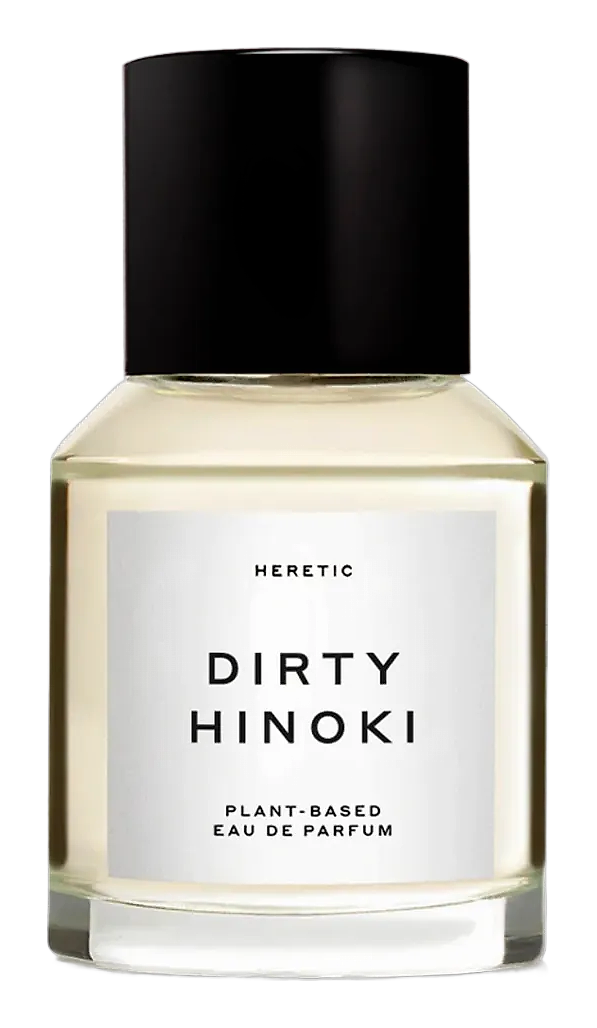
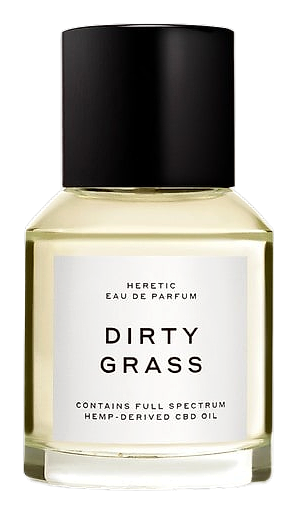
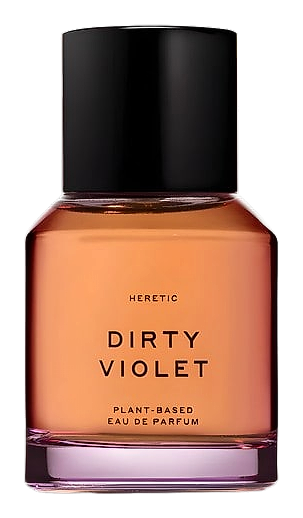
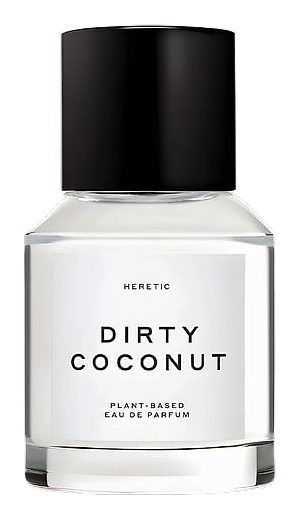
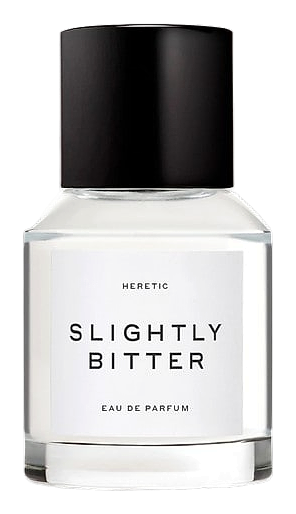
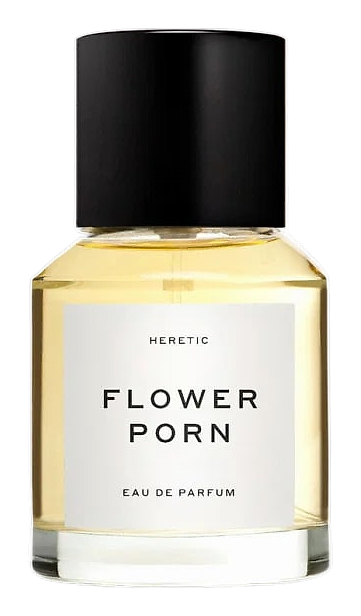
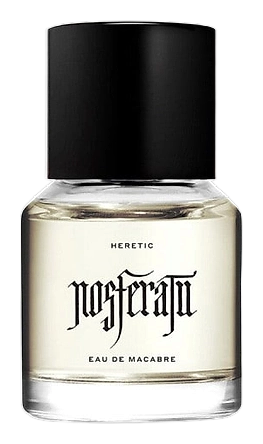
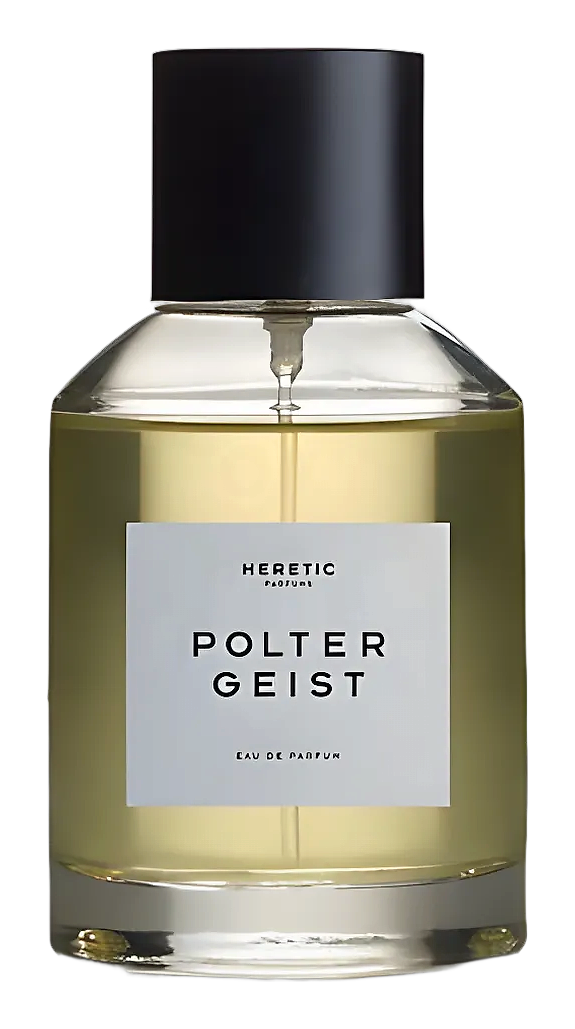
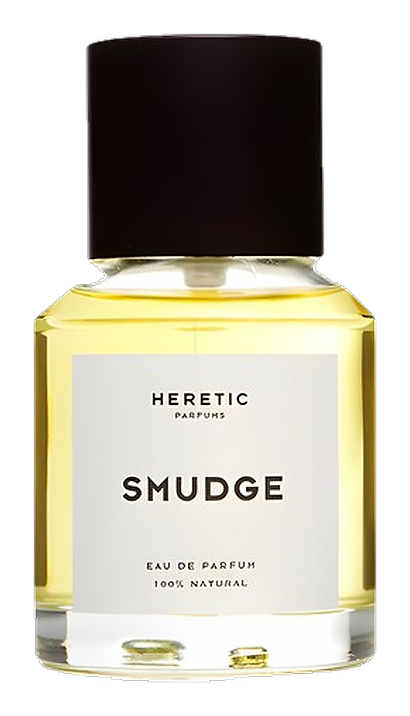
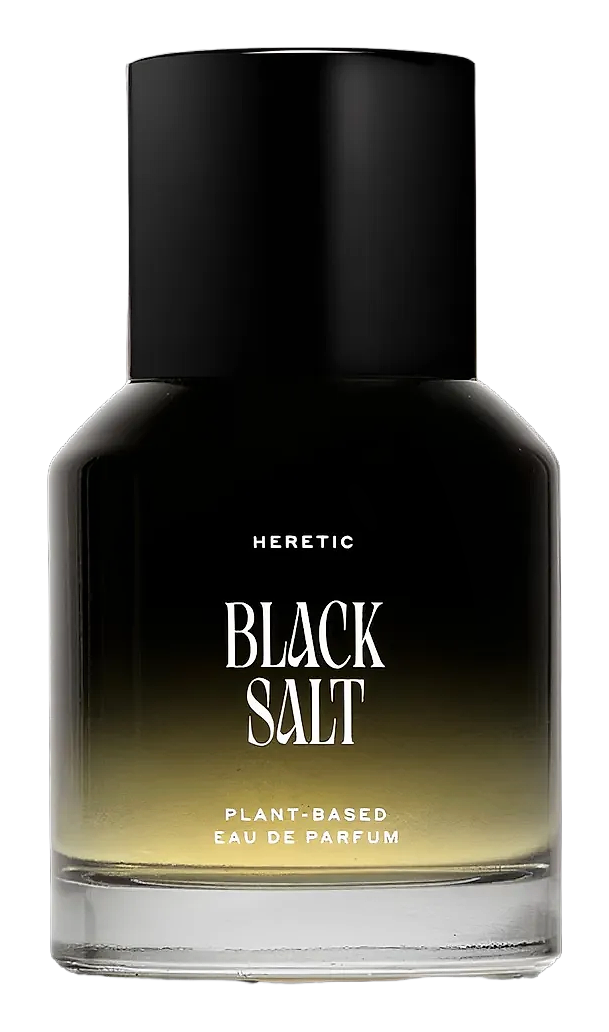
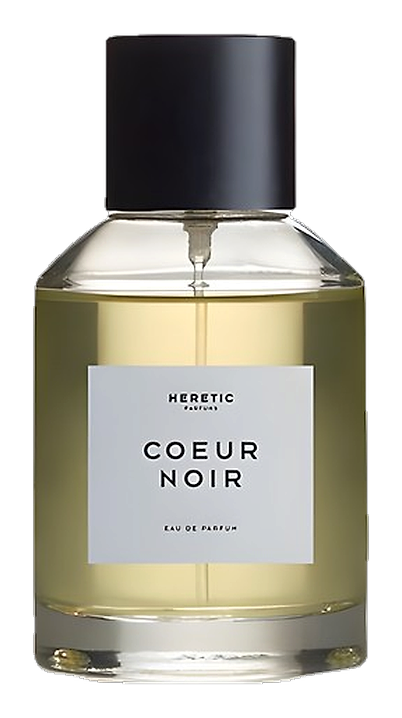
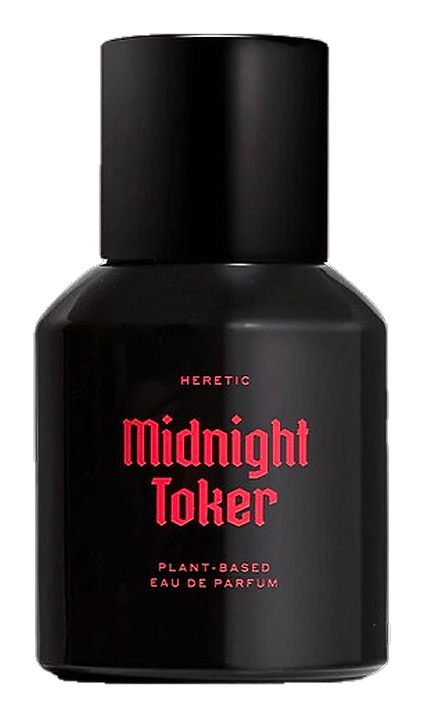
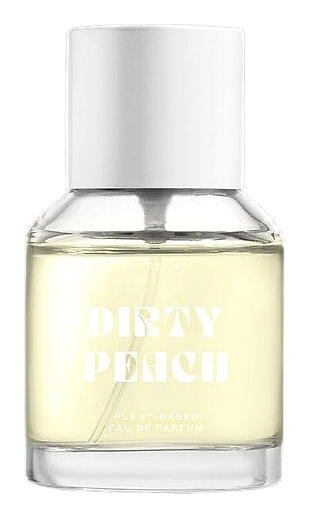
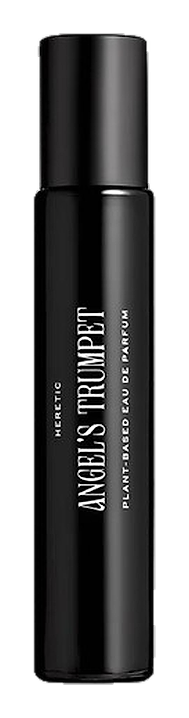
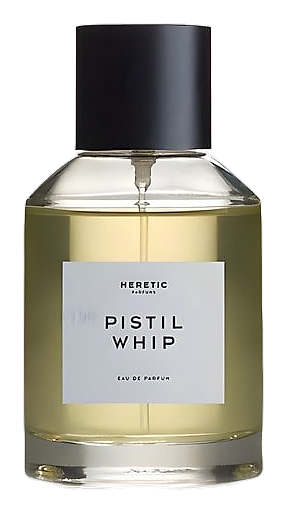
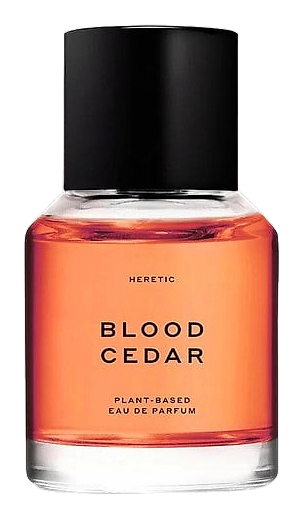
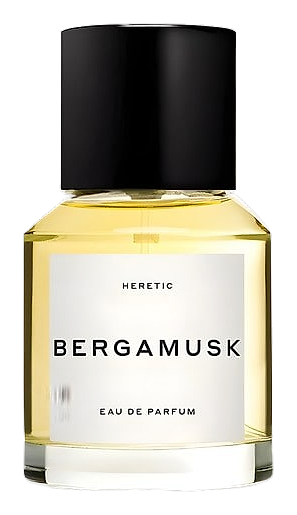
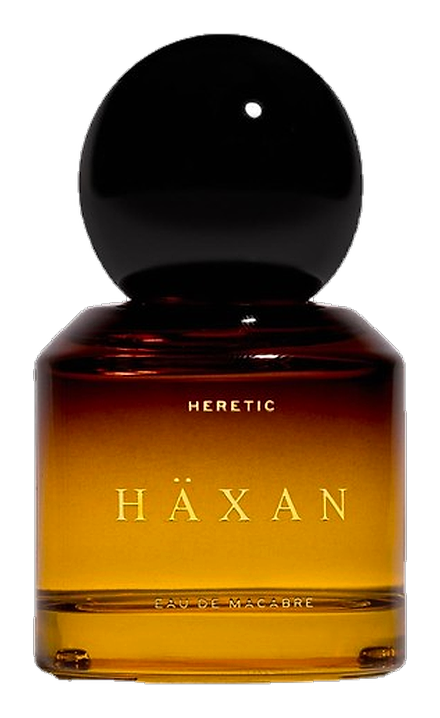
Heretic ParfumHeretic Parfum is a Los Angeles-based niche fragrance house founded in 2015 by perfumer Douglas Little. The brand specializes in small-batch, botanical perfumes made with 100% naturally derived ingredients, including essential oils, absolutes, and plant-based extracts. Fragrances are blended in organic sugarcane alcohol and positioned as non-gendered, appealing to consumers seeking plant-based alternatives to mainstream scents. Heretic distinguishes itself through radical transparency, listing every ingredient rather than using the catch-all term fragrance. By 2025, the house had released over 40 unique fragrances, spanning releases like Ektoplasma, Angel's Trumpet, Black Salt, and Midnight Toker alongside earlier works such as Dirty Gardenia, The Herbalist, and Dirty Hinoki. The brand operates from a Los Angeles studio and maintains vegan and cruelty-free production standards throughout its range of perfumes, candles, and bath products.
The Creator
Douglas LittleLittle works exclusively with natural, botanical ingredients—300 materials organized in a tiered fragrance organ. He resists the industry standard of synthesized rose stripped of its earthy core, preferring what he calls "wonderfully raw aspects.