Triplal
Triplal captures the crisp, invigorating scent of a freshly manicured lawn in a bottle. This synthetic aroma chemical delivers the sharp green character of just-cut grass and crushed leaves, bringing outdoor freshness into fragrance compositions.
Character
How it smells
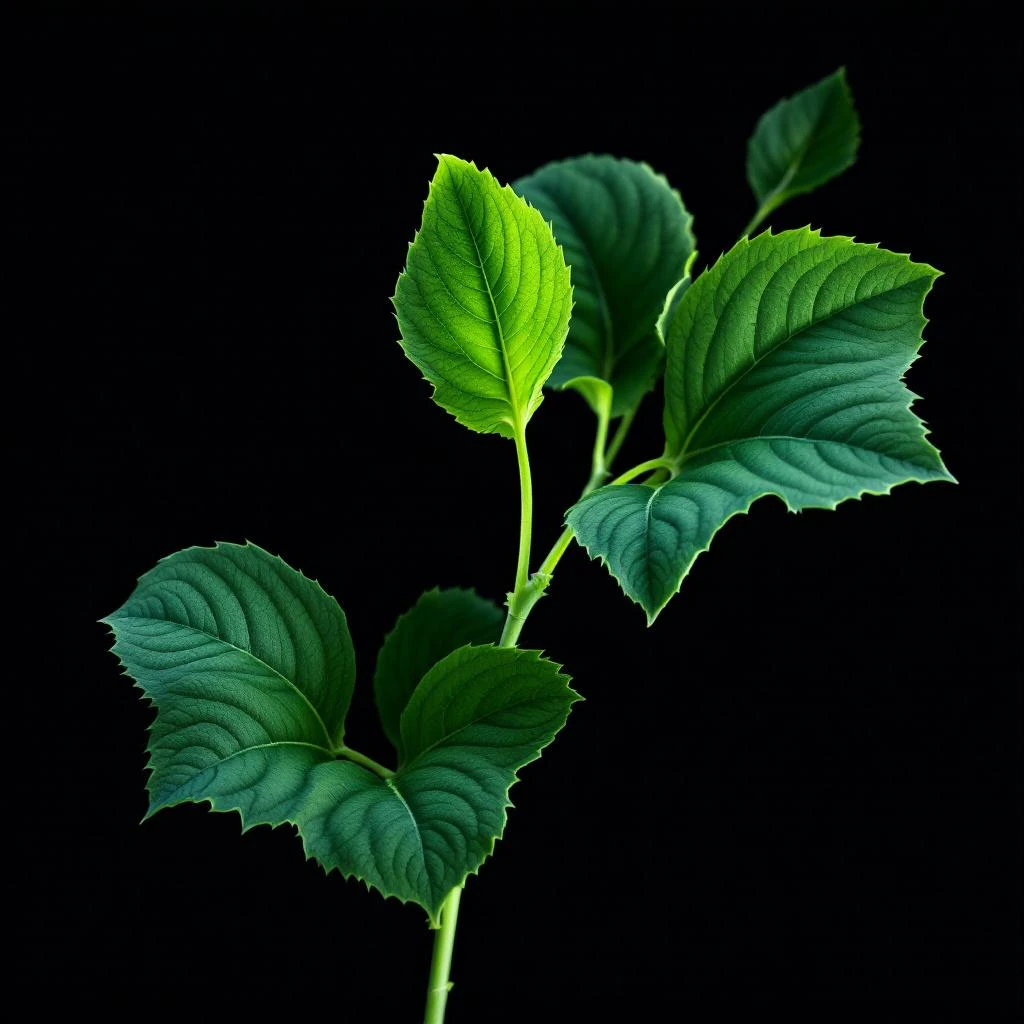
The scent of freshly cut grass, bottled.
Despite smelling intensely natural, Triplal is a fully synthetic molecule created in the laboratory that has become one of perfumery's most important green notes.


Origin
Laboratory
The development of Triplal reflects the broader revolution in synthetic chemistry that transformed perfumery in the twentieth century. As organic chemists learned to isolate and recreate natural aroma molecules during the mid-1900s, they discovered that some synthetic materials offered qualities impossible to achieve with natural ingredients alone.
Triplal emerged from this research as perfumers sought to capture the fresh, green character of just-cut grass year-round. Before synthetic alternatives, achieving this note required using expensive and variable natural extracts like galbanum or cutting fresh grass directly.
Triplal democratized this green, outdoor character, allowing perfumers across the industry to incorporate it freely. Today it appears in countless fresh fragrances as a key component of green, ozonic, and aquatic scent families.
Wears it best
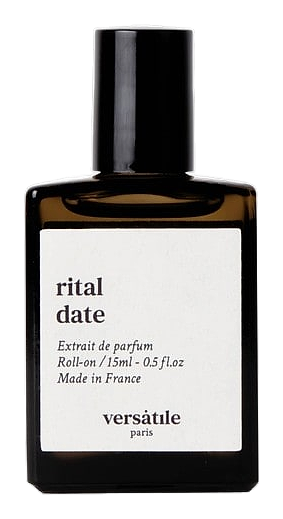
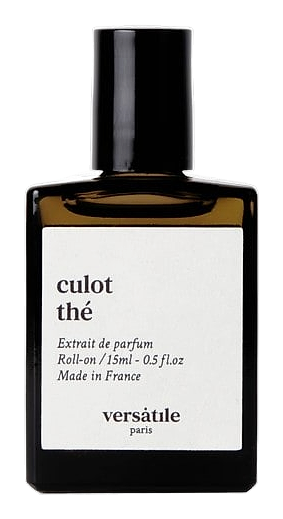
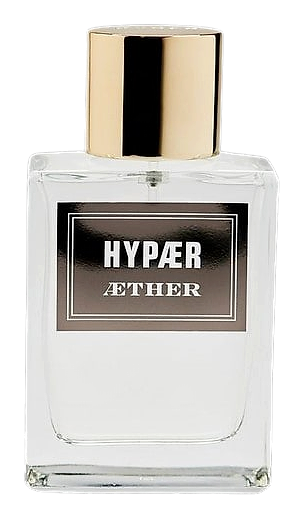
Fragrances featuring Triplal
Brands
Brands known for Triplal
Good to know
Questions, answered
The essentials on Triplal in perfumery: how it smells, where it comes from, and how it behaves on skin.
What does Triplal smell like?
Triplal smells like freshly cut grass and crushed green leaves. It delivers a sharp, clean green aroma reminiscent of a freshly mowed lawn, with ozonic and slightly floral undertones.
Is Triplal a natural or synthetic ingredient?
Triplal is fully synthetic. Chemists create it in laboratories through organic synthesis, not from plant material. This makes it a consistent, reliable ingredient that perfumers can use at various concentrations.
What fragrances commonly use Triplal?
Triplal appears in many fresh and green fragrances as a key component of their top notes. Perfumers frequently use it in aquatic scents, aromatic fragrances, and modern green compositions where it provides that just-cut grass character.
When was Triplal developed?
Perfumers began using Triplal during the mid-to-late twentieth century as part of the synthetic fragrance revolution. It became widely available as fragrance chemistry advanced and manufacturers could produce aroma chemicals at commercial scale.
Can Triplal be used as a standalone fragrance?
Triplal functions as a fragrance ingredient, not a finished perfume. Perfumers combine it with other materials to create complete fragrance compositions. On its own, it provides an important building block for green and fresh scent profiles.
What scent family does Triplal belong to?
Triplal belongs to the green scent family. It shares characteristics with other green materials like cis-3-hexenol and galbanum but offers superior stability and intensity in formulations.
Does Triplal occur naturally in any plants?
No confirmed natural sources exist for Triplal. While similar green-smelling compounds appear in various plants, Triplal itself is exclusively a synthetic creation developed specifically for use in fragrance formulations.
What makes Triplal important in perfumery?
Triplal provides an intense, clean green note that was difficult to achieve before synthetic chemistry. It gives perfumers a consistent, powerful tool for creating fresh, outdoor-smelling fragrances without relying on expensive or variable natural extracts.