
The Story
Why it exists.
The beginning
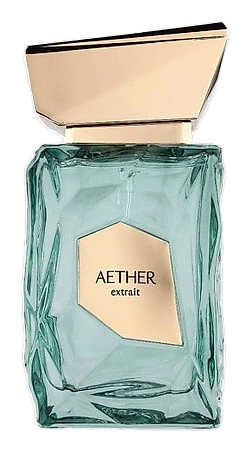
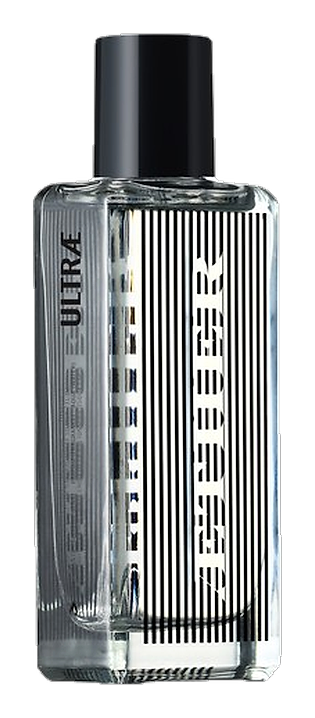
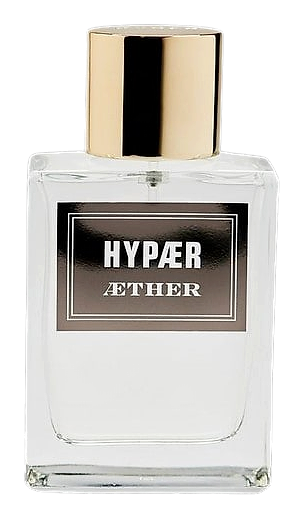
Aether's approach has always been molecular reduction, strip a synthetic down to its essential character and let it speak. Hypær (2018) arrives as the second chapter in a series built around iconic synthetics, following Ultrae and preceding Supær. The brief was simple: take Cashmeran, the amber-woody molecule the brand uses as its own identifier, and see what happens when it's paired with another lab-derived material called Kephalis. Nicolas Chabot wasn't building complexity. He was building clarity. The result is a fragrance that reads almost like a diptych, one material introducing another, the way a first voice calls a second voice offstage.
Cashmeran is the cornerstone here. Synthesized in the 1970s, it carries a dual identity: woody like dry cedar, but wrapped in a softness that recalls the warmth of skin recently released from a warm room. Hypær uses this duality as its engine. The supporting materials, Kephalis for its green, slightly floral character, Ambrettolide for its musky, almost ambrette-like warmth, don't compete. They orbit. The structure is deliberate: Cashmeran at the center, everything else arranged around it at a respectful distance. What makes this composition interesting is the restraint. Most fragrances use synthetics as scaffolding beneath naturals. Hypær inverts that logic. The synthetics are the architecture.
The evolution
Hypær opens clean and immediate. The green of Triplal arrives first, not grass, not leaf, but something more abstract. One reviewer described it as the smell of an unripe banana alongside snapped twigs. That's not wrong, but it undersells the precision. This is green as chemical shorthand: fresh, aldehydic, the olfactory equivalent of a compound formula. Within minutes, Cashmeran takes over. The woodiness settles into something softer, powdery without being dusty, warm without being sweet. This is where the fragrance earns its name. Ambrettolide arrives late, musk with a difference, derived from ambrette seed rather than animal. It doesn't project. It integrates. The drydown is close to skin, intimate in the way that only properly dosed synthetics can be. What surprises is the longevity on fabric. The fragrance tanks on skin after 5-6 hours, but on clothing it survives a full day, sometimes longer, becoming a quiet souvenir tucked into a collar or cuff.
Cultural impact
Hypær belongs to a moment when molecule fragrances were having their cultural conversation. Not asking permission from traditional perfumery, not hiding the science. Wearing it signals a certain relationship with scent, curious, informed, willing to find beauty in chemistry rather than despite it. The discontinuation adds to its cult appeal: something that was always niche, now genuinely rare.