Musk T
Musk T, known as ethylene brassylate, delivers a clean, velvety musk that anchors modern fragrances with a subtle, lingering warmth. Its synthetic origin ensures consistency and ethical sourcing, making it a staple for perfumers seeking reliable depth.
Character
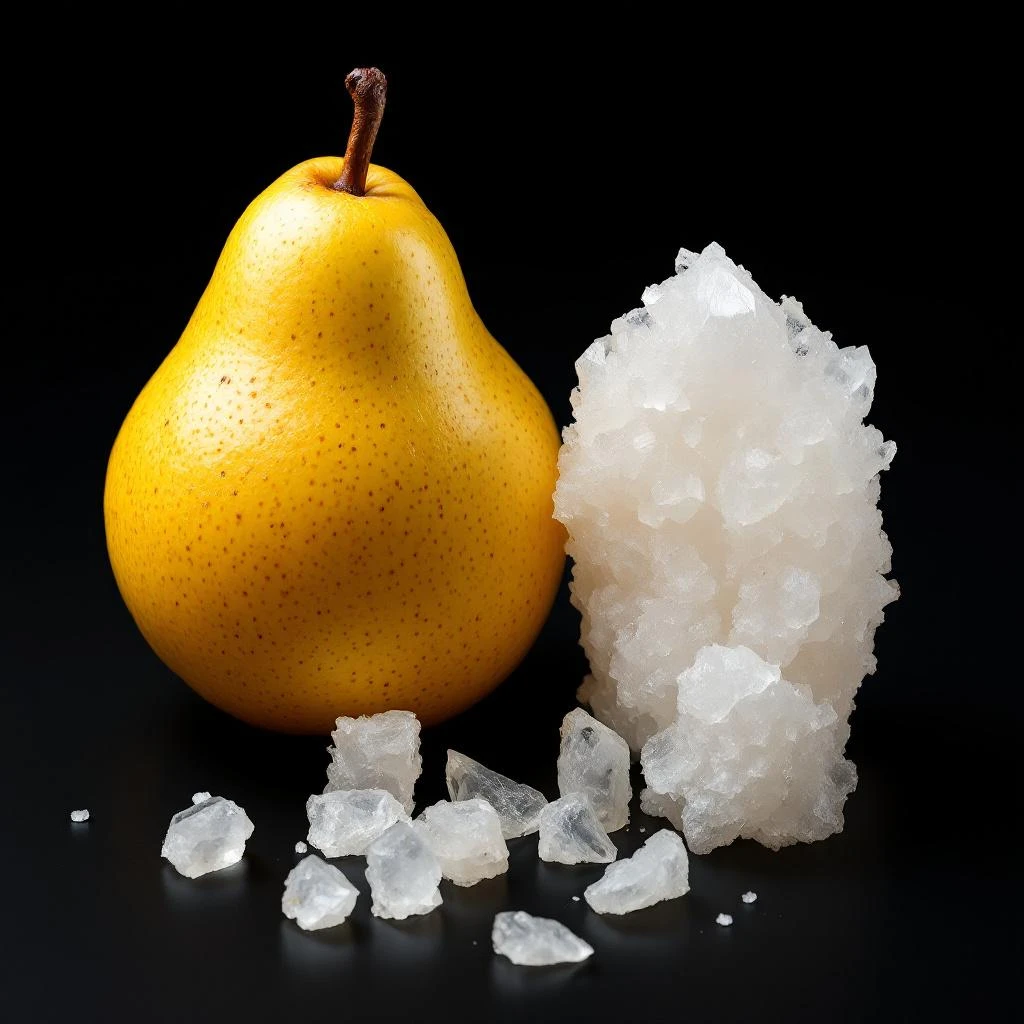
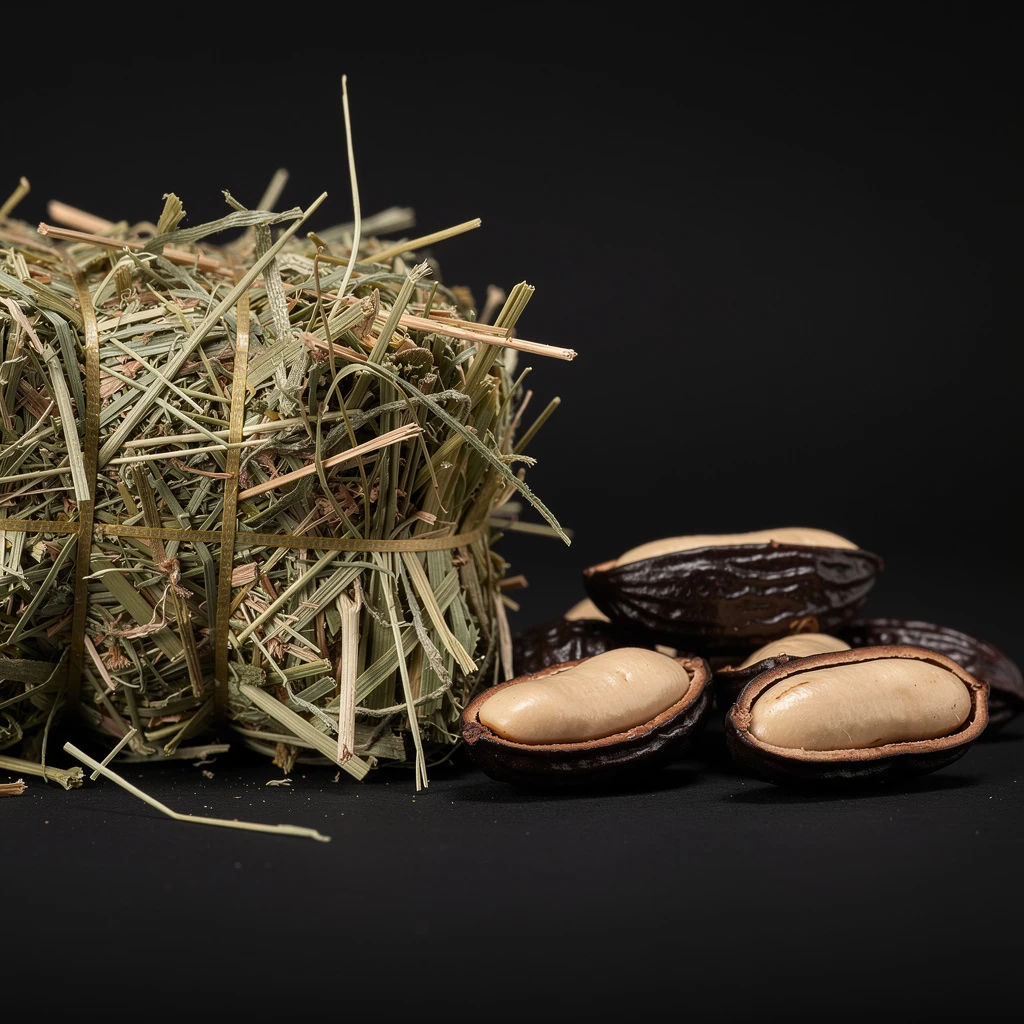
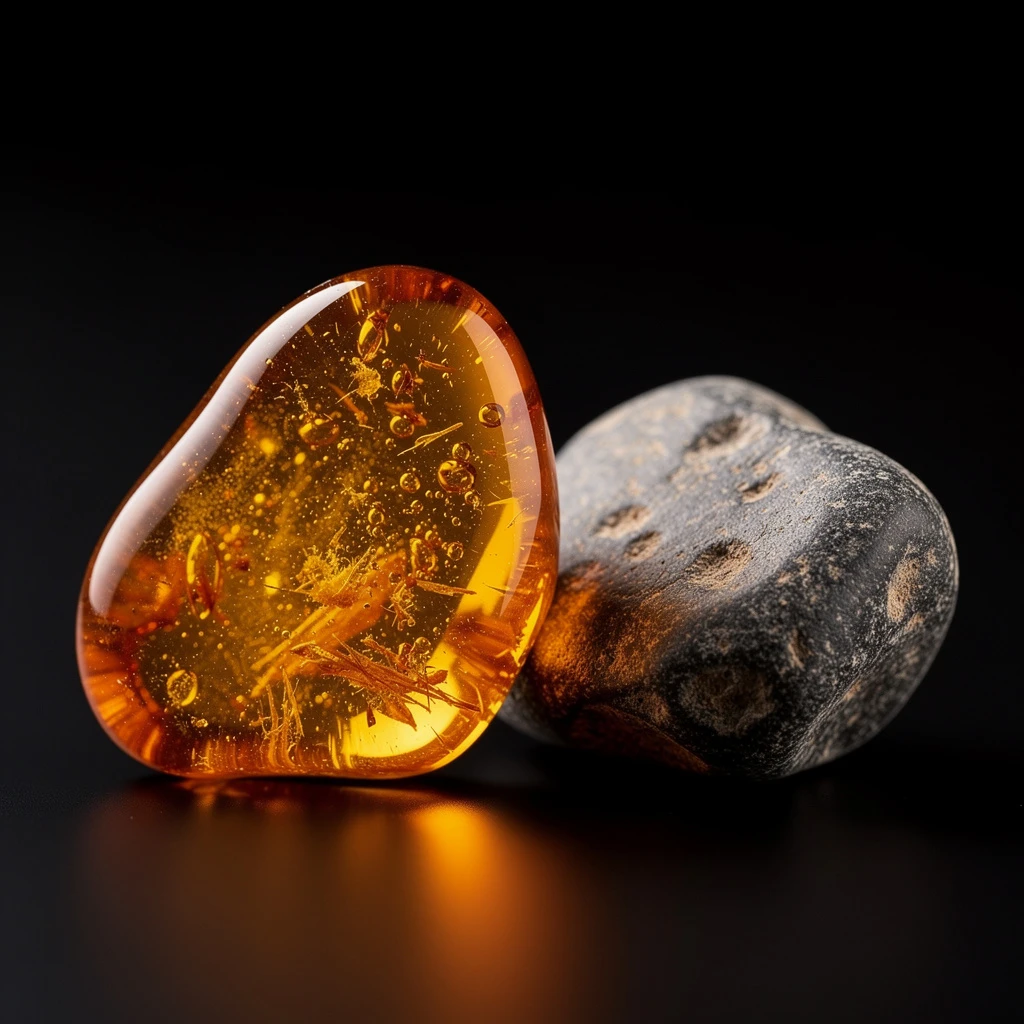
How it smells
Synthetic musk that balances purity with lasting warmth.
Musk T was the first macrocyclic musk introduced to the market, replacing earlier nitro musks after safety concerns emerged in the 1950s.



Origin
United States
Musk has traced its scent back to ancient Mesopotamia, where hunters prized the glandular secretion of the musk deer for ritual use. Over centuries, the material traveled along trade routes to Persia, China, and the Roman Empire, where it flavored incense and early perfumes.
By the late 19th century, chemists synthesized nitro musks, but concerns about skin irritation prompted a shift toward safer alternatives. In 1955, a research team led by Wallace Carothers at DuPont unveiled Musk T, the first macrocyclic musk designed to mimic natural warmth without the ecological impact of deer harvesting.
Its introduction marked a turning point, as fragrance houses adopted Musk T to replace nitro musks in mainstream and niche creations. Regulatory bodies later classified it as low risk, allowing continued use while encouraging further innovation in synthetic musks.
Wears it best
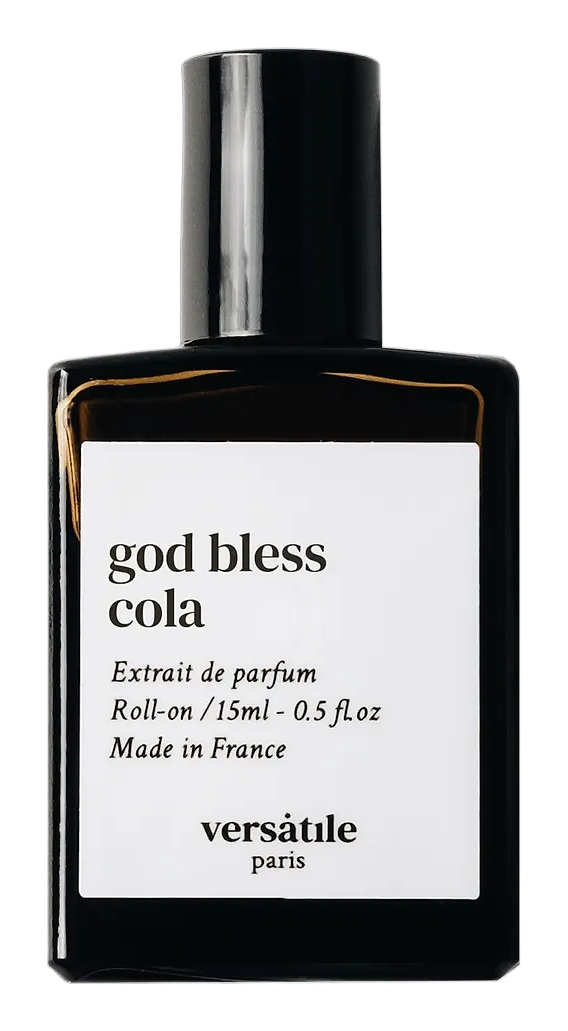
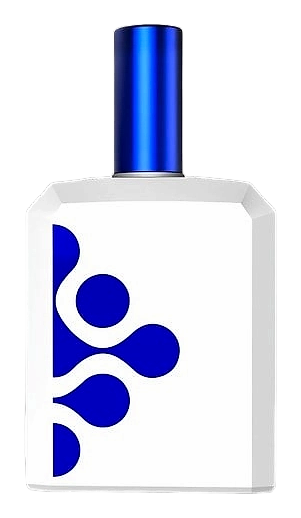
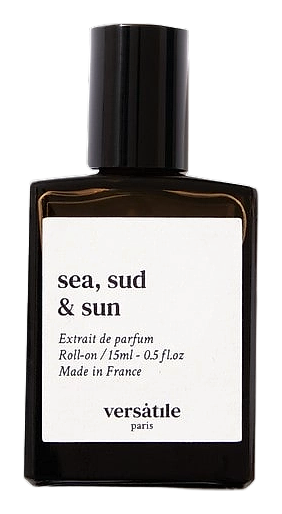
Fragrances featuring Musk T

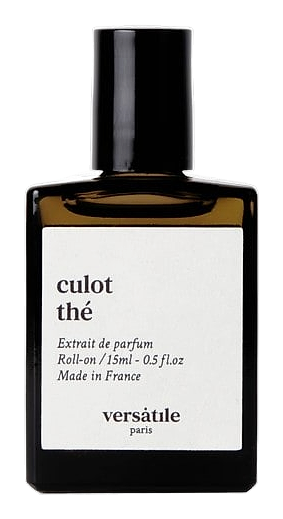
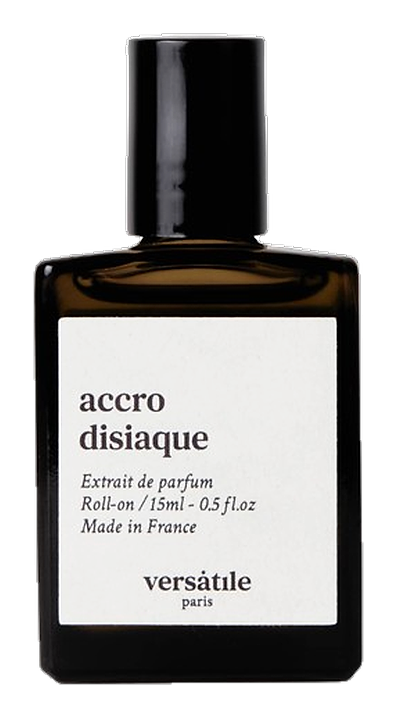
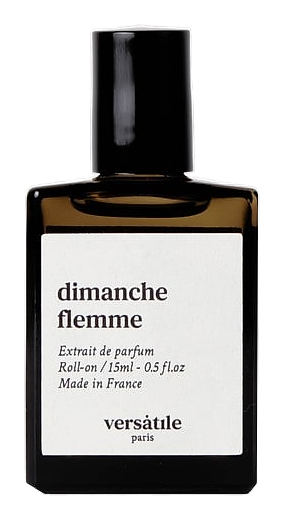
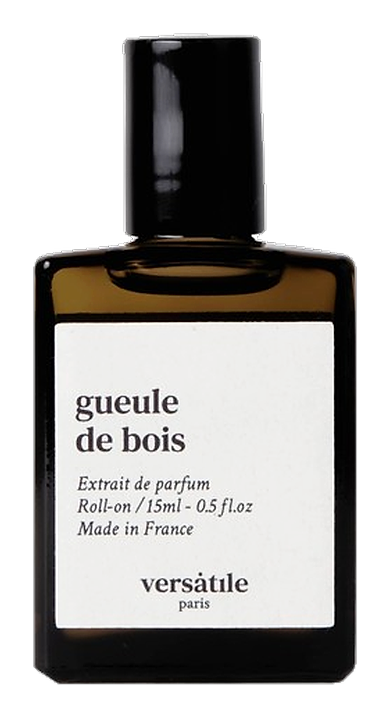
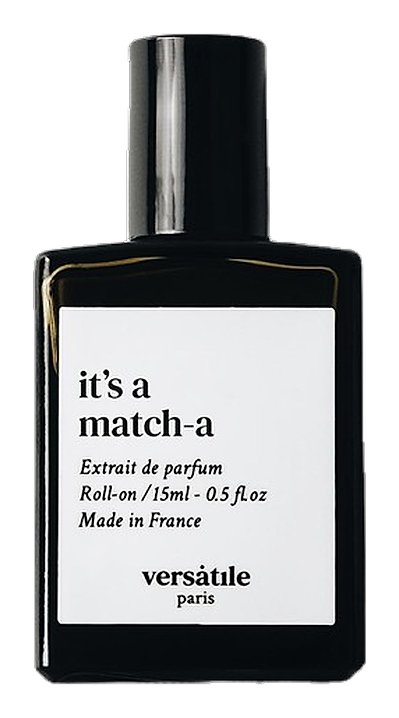
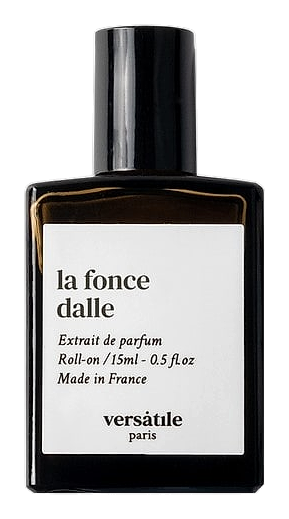
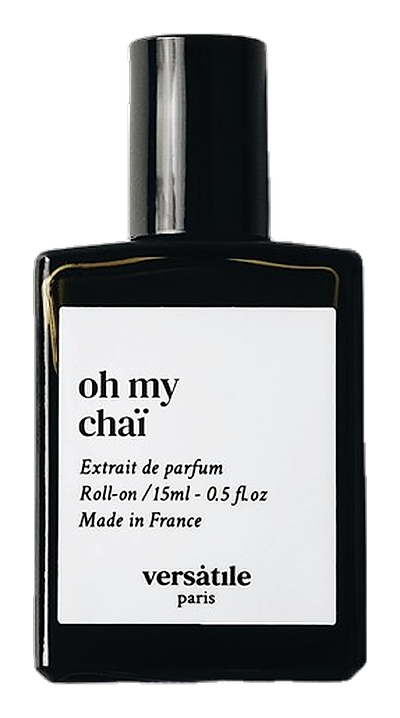
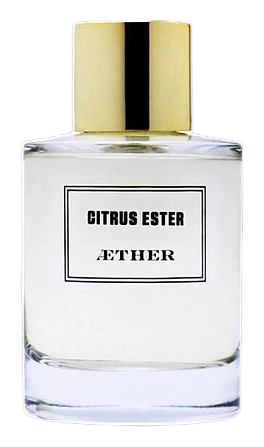
Brands
Brands known for Musk T
Good to know
Questions, answered
The essentials on Musk T in perfumery: how it smells, where it comes from, and how it behaves on skin.
What is Musk T?
Musk T is a synthetic macrocyclic musk, chemically known as ethylene brassylate. It was first marketed in 1955 and provides a clean, lingering musk note.
How does Musk T differ from natural musk?
Musk T contains no animal-derived ingredients, unlike traditional deer musk. Its laboratory synthesis guarantees consistent aroma and eliminates wildlife impact.
Is Musk T safe for skin contact?
Regulatory agencies list Musk T as low‑risk for dermal exposure. In 2020, the European Commission confirmed its safety at concentrations up to 5% in leave‑on products.
What scent profile does Musk T provide?
Musk T offers a soft, velvety musk with a faint amber undertone. Perfumers note its ability to extend the longevity of floral and woody accords.
How is Musk T produced?
The compound forms through esterification of ethylene glycol and isobutyric acid, followed by cyclization into a lactone. The reaction runs at 180 °C under inert gas and finishes with vacuum distillation.
When did Musk T enter the fragrance market?
Musk T launched in 1955 after Carothers’ team completed its synthesis. It quickly replaced many nitro musks in commercial formulas.
Are there any regulatory restrictions on Musk T?
Musk T complies with current EU and US guidelines. The IFRA limits its use to 5% in rinse‑off products but allows higher levels in perfume concentrates.
Can Musk T be used in natural‑label perfumes?
Because Musk T is fully synthetic, it does not meet strict natural‑only standards. However, many natural‑label brands accept it as a safe, animal‑free alternative to deer musk.