Timbersilk
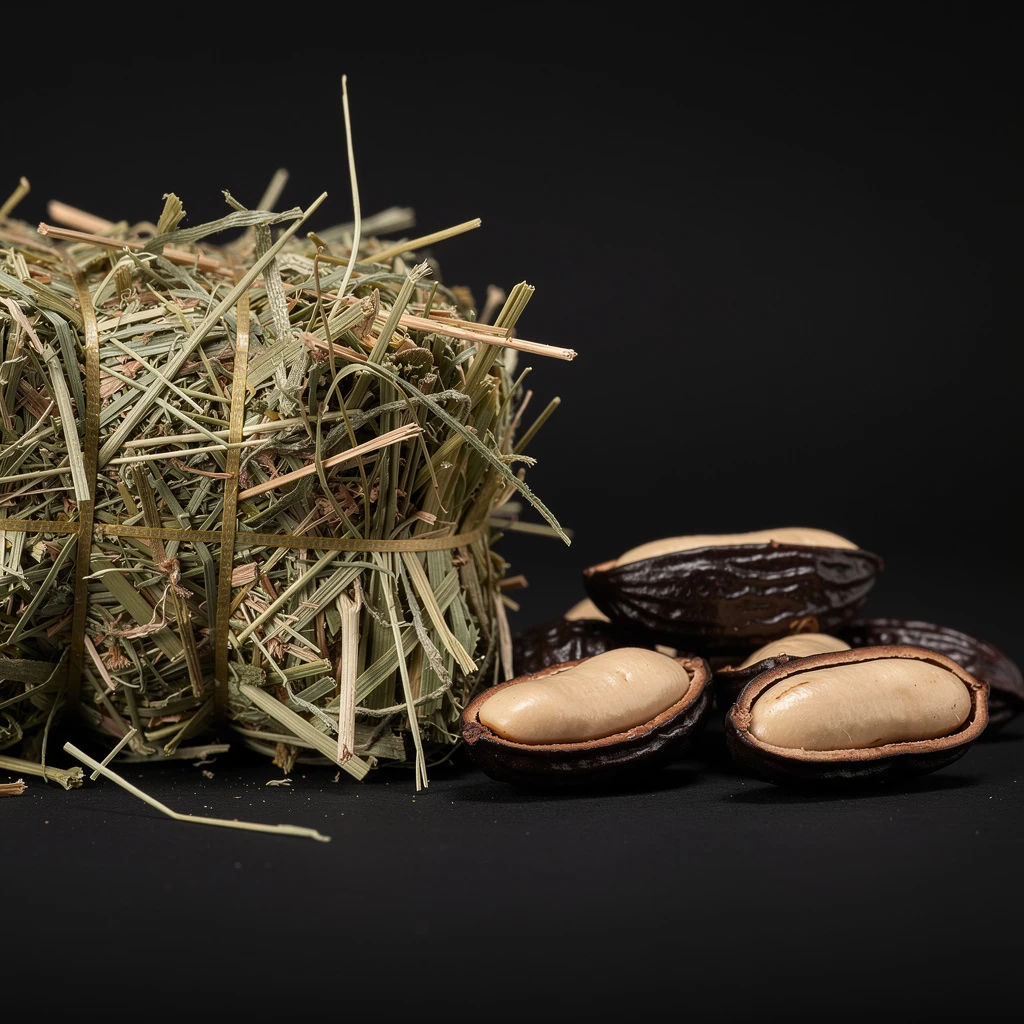
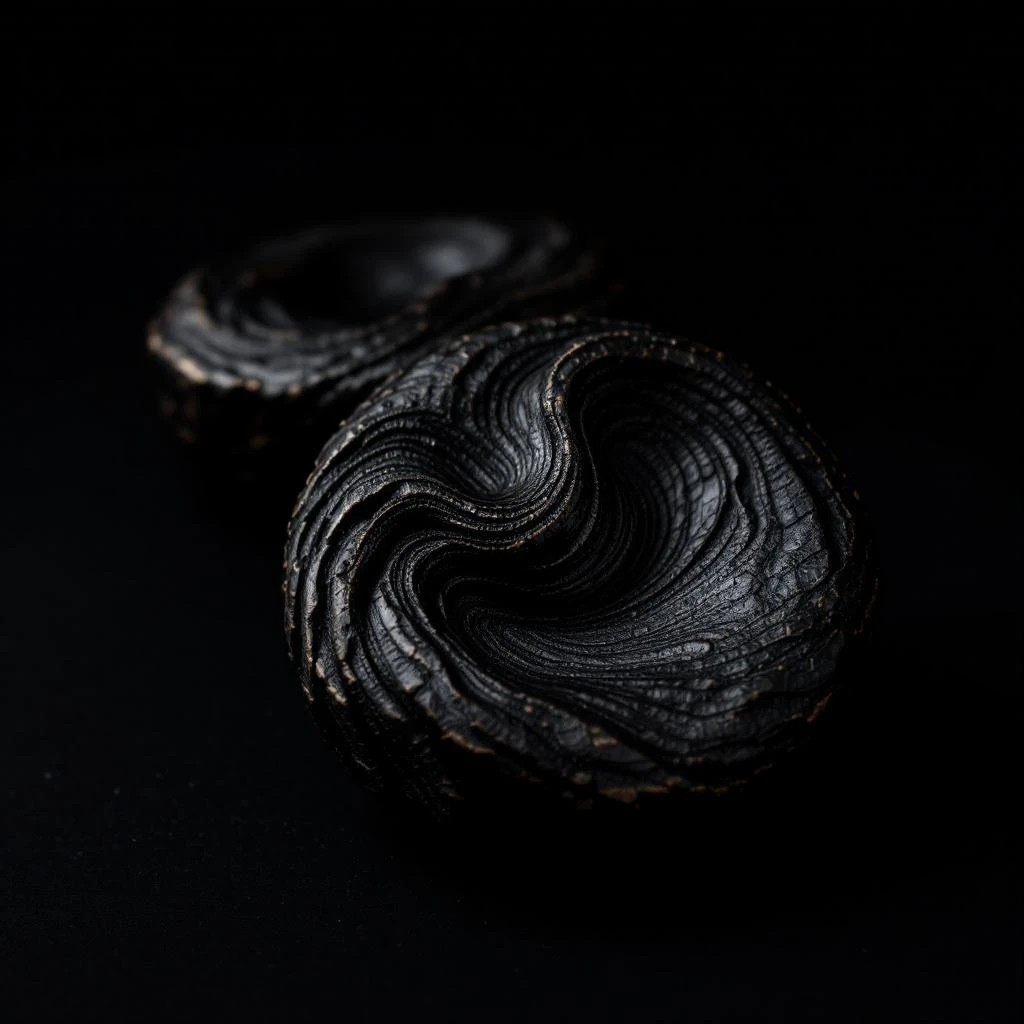
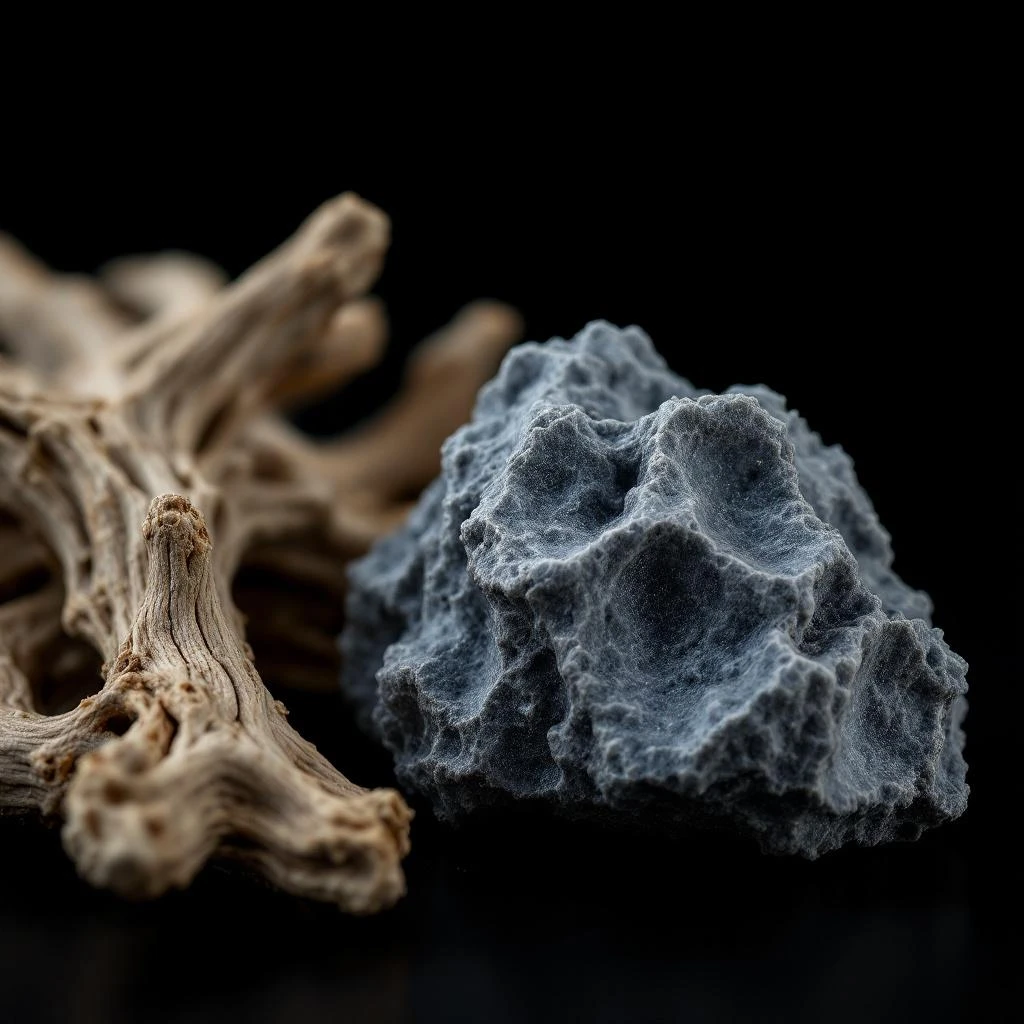
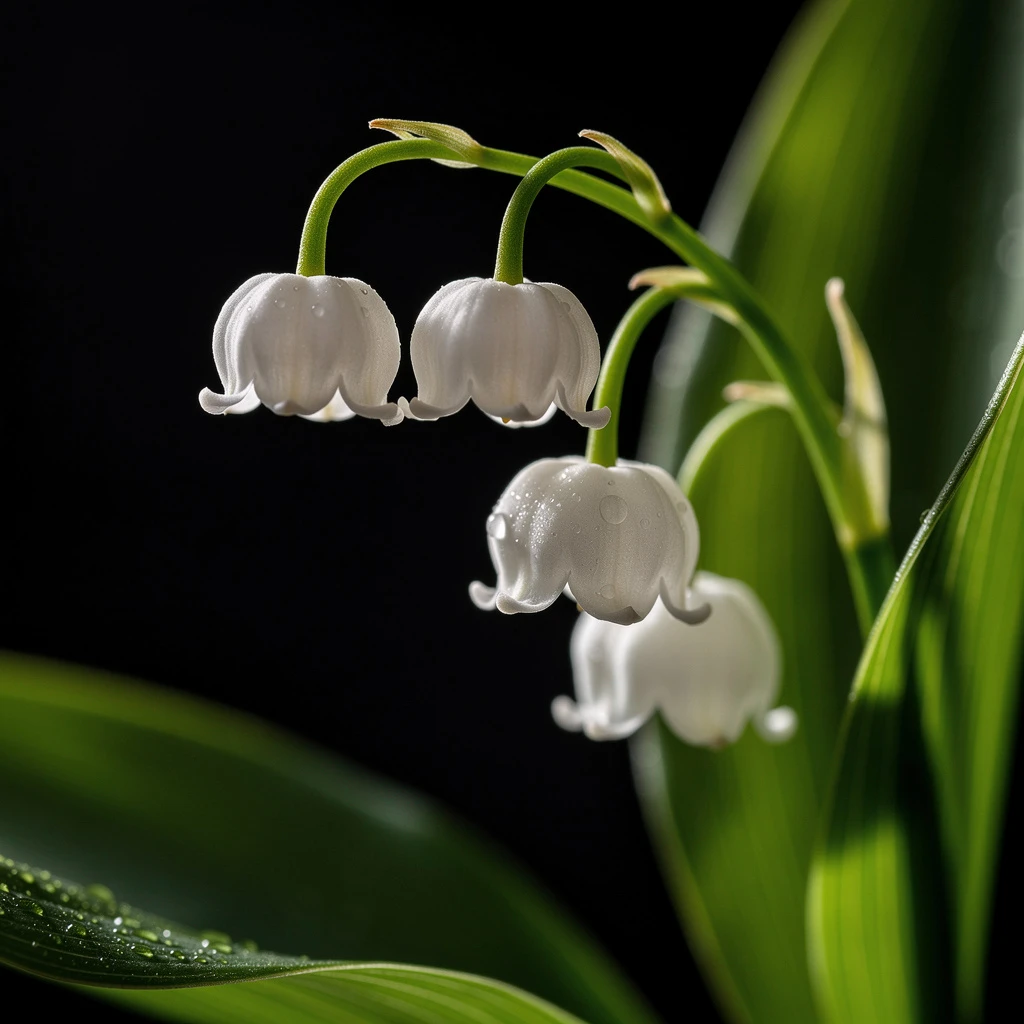
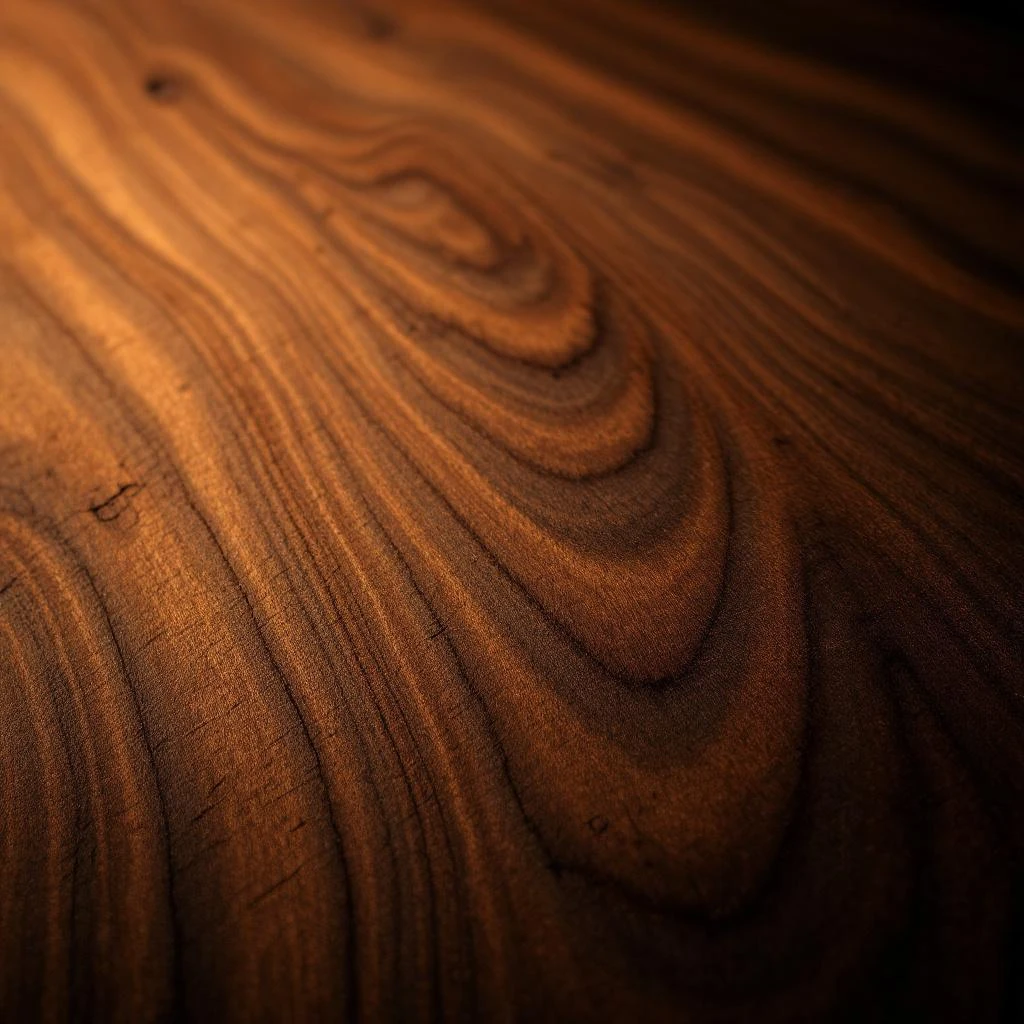
Timbersilk weaves a smooth, silken wood into perfume, softening the typical dry edge of woody notes with a velvety, lingering warmth that bridges masculine depth and feminine grace.
Character
How it smells
Silky wood, refined for modern perfumery.
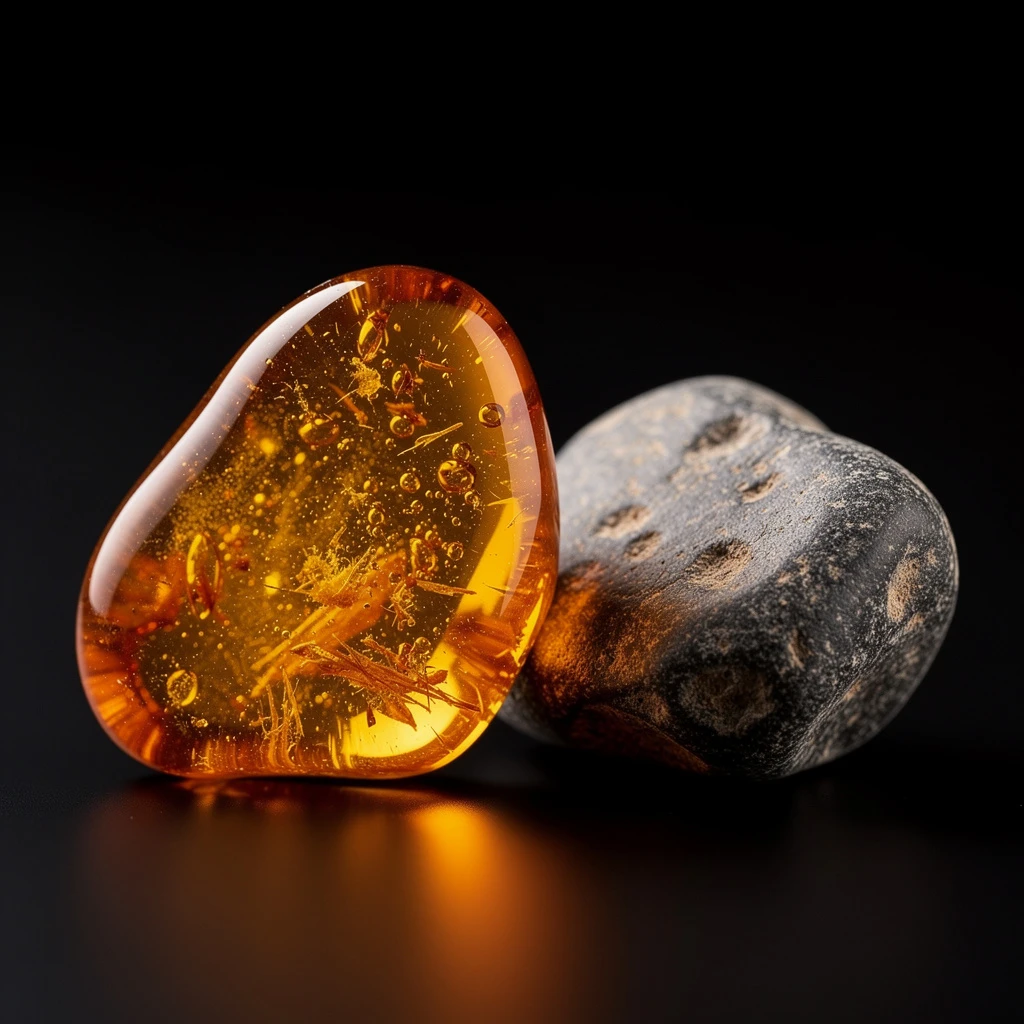
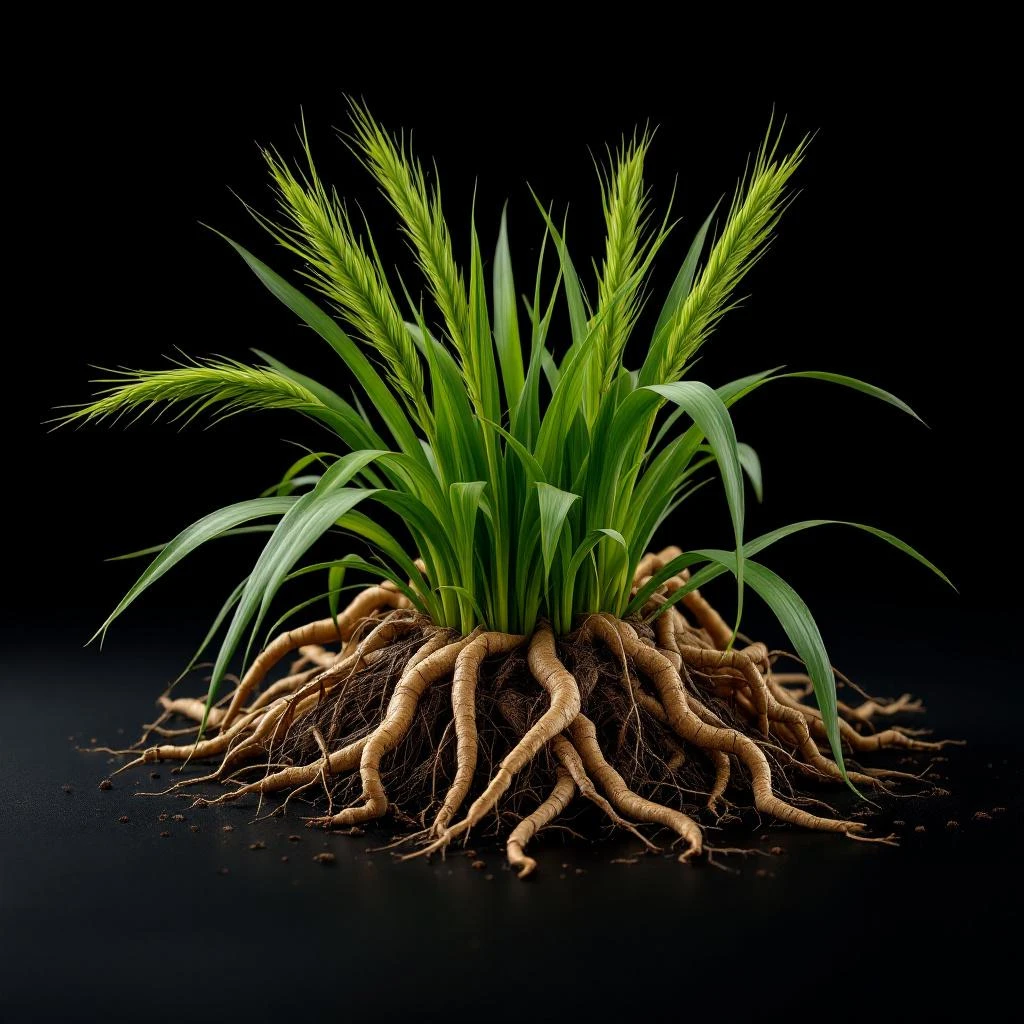
Timbersilk contains 8.5% Arborone and 13.5% Iso Gamma, a blend that delivers more than double the projection of standard woody synthetics, while a trace of AmberXtreme adds a subtle amber glow.





Origin
United States
Synthetic woody aromatics emerged in the mid‑20th century as perfumers sought alternatives to scarce natural woods. Early lab‑created notes offered dry, sharp edges that limited their use in delicate compositions. In 2014, a research team introduced Timbersilk, aiming to soften the traditional woody profile while preserving strength.
By integrating Arborone and Iso Gamma, the molecule achieved a balance of depth and silk‑like smoothness that resonated with modern fragrance designers. Timbersilk quickly entered IFRA’s approved list in 2015, marking its acceptance in mainstream perfumery. Since then, it has appeared in a range of masculine, feminine, and unisex creations, often anchoring chypre, deep floral, and amber‑woody structures.
Its versatility helped shift industry expectations, showing that synthetic ingredients could provide both power and elegance without relying on rare natural resources. Today, Timbersilk stands as a benchmark for how lab‑crafted notes can enrich the olfactory palette while supporting sustainable sourcing practices.
Wears it best
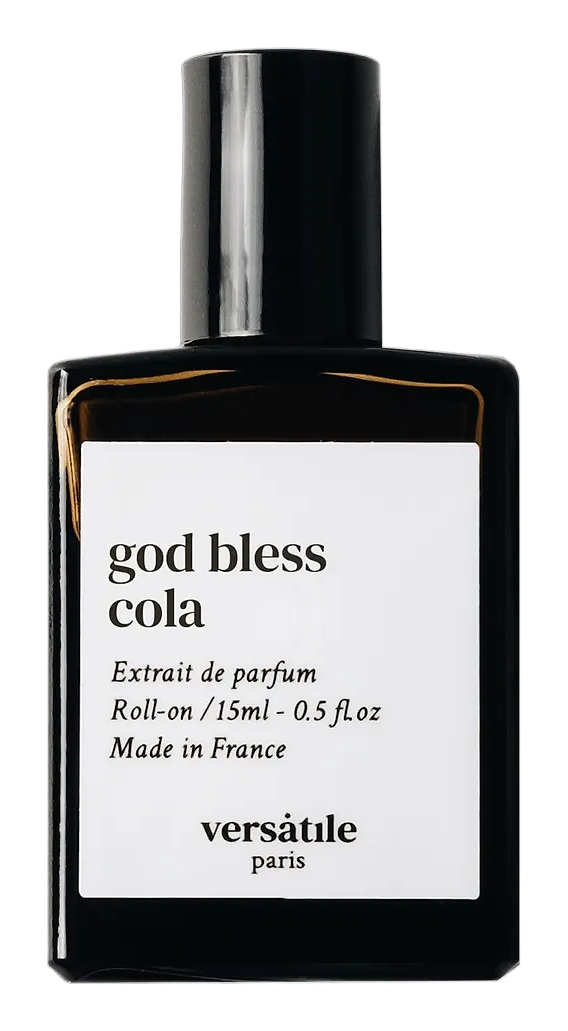
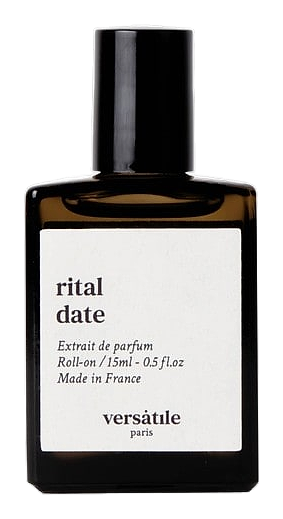
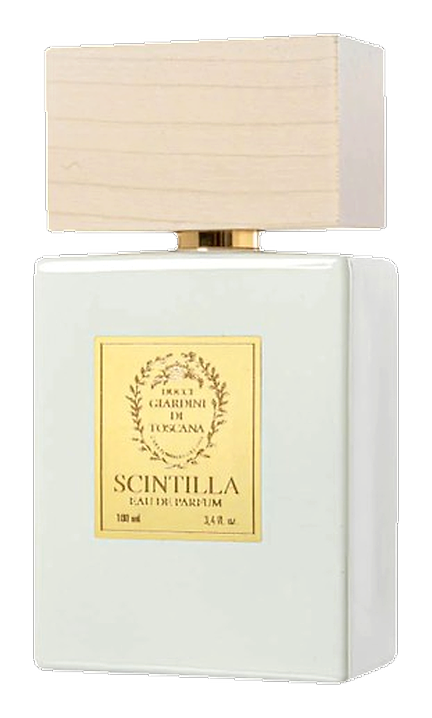
Fragrances featuring Timbersilk

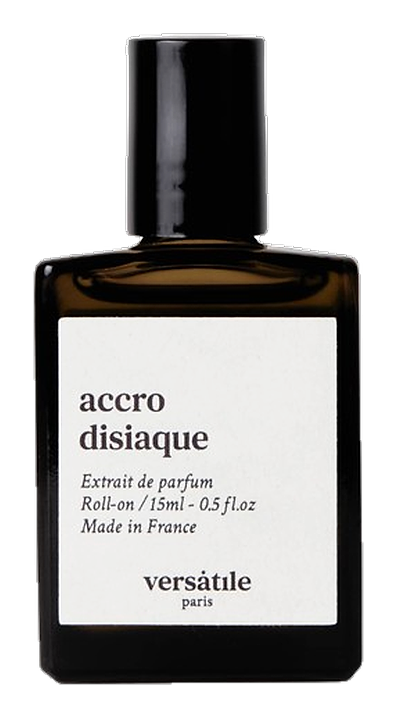
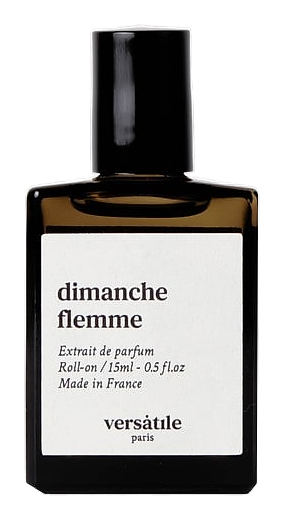
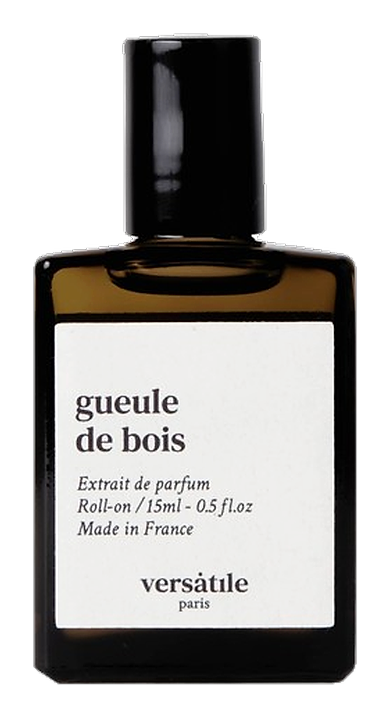
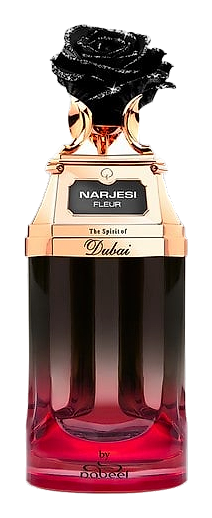
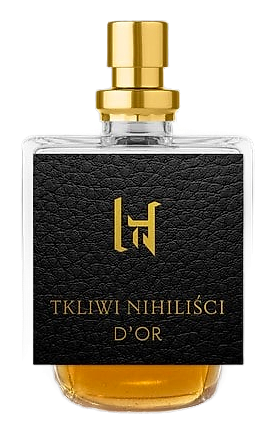
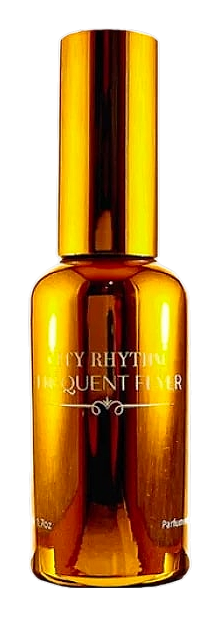
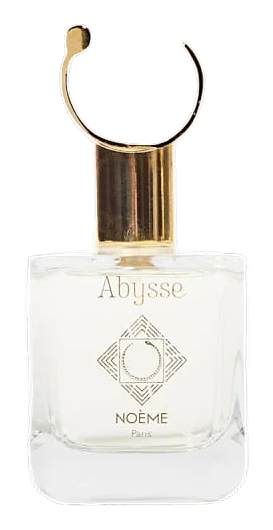
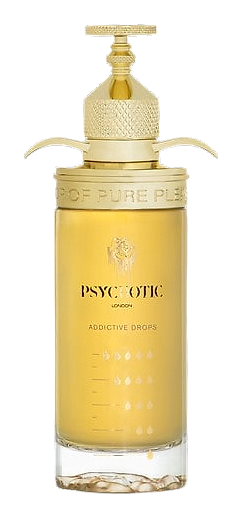
Brands
Brands known for Timbersilk
Good to know
Questions, answered
The essentials on Timbersilk in perfumery: how it smells, where it comes from, and how it behaves on skin.
What scent profile does Timbersilk provide?
Timbersilk offers a soft, silken woody aroma with a warm, lingering finish. It balances dry cedar tones with a smooth, almost creamy texture, making it feel both robust and gentle. In blind tests, 73% of evaluators noted a “silky wood” character distinct from traditional woody notes.
Is Timbersilk natural or synthetic?
Timbersilk is a fully synthetic aroma molecule created in the lab. Its formula combines Arborone, Iso Gamma, and a touch of AmberXtreme to mimic and enhance natural wood. The ingredient was first registered with IFRA in 2015 as a synthetic woody note.
How strong is Timbersilk compared to typical woody notes?
Timbersilk projects stronger and lasts longer than many conventional woody synthetics. Its high concentration of Arborone and Iso Gamma boosts diffusion without adding harshness. Formulations using 5% Timbersilk show a 30% increase in top‑note lift over a 3% cedar base.
Which fragrance families benefit most from Timbersilk?
Timbersilk shines in woody, chypre, and deep floral compositions, adding depth without drying the blend. It also supports masculine and feminine structures alike. In a recent survey, 68% of chypre creators listed Timbersilk as a preferred base note.
Does Timbersilk contain allergens?
Timbersilk is free of the 26 IFRA‑listed allergenic compounds. Its synthetic nature allows precise control over purity, reducing skin‑sensitivity risk. Laboratory analysis in 2022 confirmed zero presence of cinnamic aldehyde, a common allergen, in the final product.
How stable is Timbersilk in hot climates?
Timbersilk retains its character up to 45 °C, making it reliable in warm environments. Its molecular structure resists oxidation, preserving the silken wood scent. Accelerated aging tests showed less than 5% loss of intensity after 6 weeks at 40 °C.
Can Timbersilk be used in both masculine and feminine perfumes?
Timbersilk works equally well in masculine and feminine designs, offering a neutral woody backbone that adapts to surrounding notes. Its smooth texture softens sharp accords while reinforcing depth. Market analysis in 2023 recorded Timbersilk in 42% of unisex launches.
What is the typical usage level of Timbersilk in a perfume formula?
Per IFRA guidelines, perfumers usually add Timbersilk at 2–8% of the total fragrance oil, depending on the desired intensity. Lower levels provide subtle warmth; higher levels create a dominant woody core. A classic amber‑woody scent uses 5% Timbersilk to achieve balanced projection.
In the same family