Kephalis
Kephalis brings warm, woody depth to fragrances with its rich, versatile character. This synthetic ingredient bridges traditional perfumery and modern chemistry, delivering lasting depth as both heart and base note.
Character
How it smells
Warm woody depth that lingers
Created by Givaudan in 1987, Kephalis was designed to capture the complexity of natural sandalwood while avoiding supply constraints and price volatility.






Origin
Switzerland
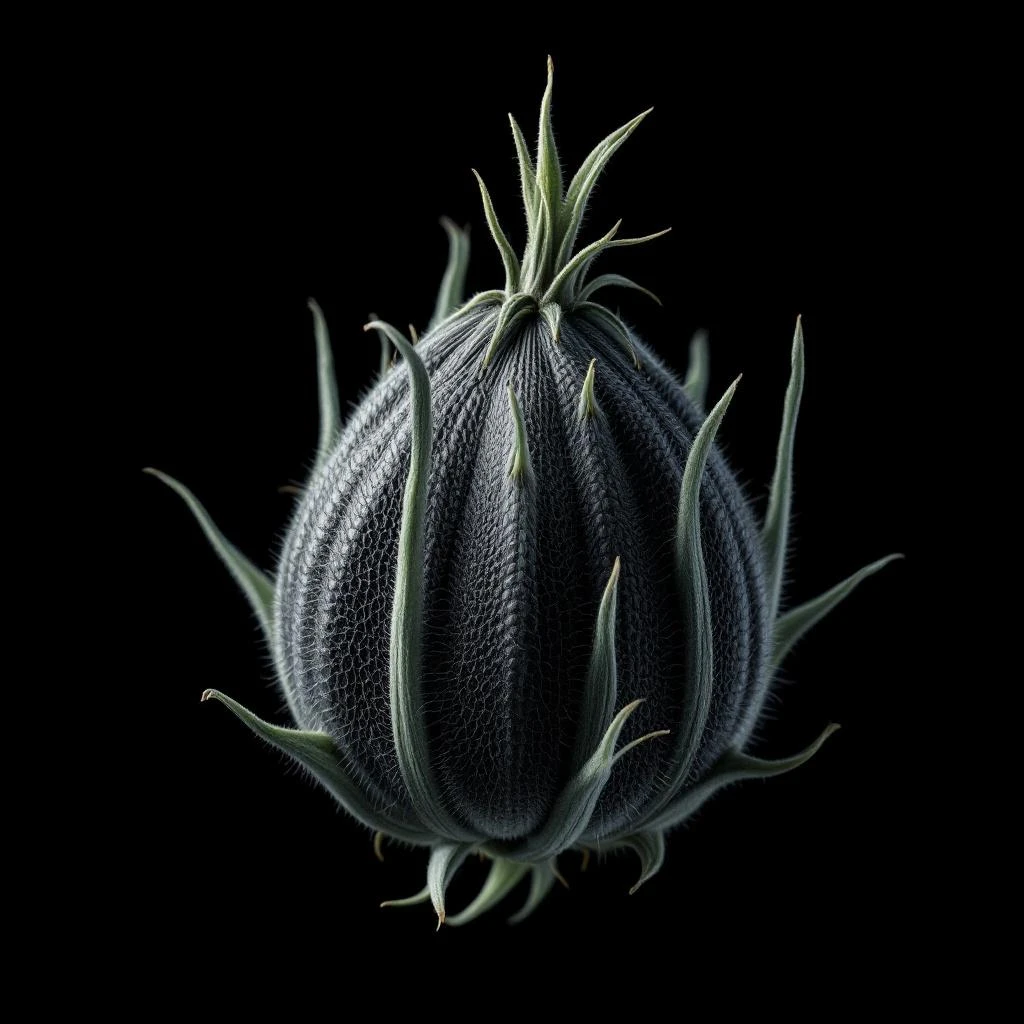
Kephalis emerged during the modern era of synthetic perfumery, when chemists began engineering specific aromatic profiles rather than extracting them from nature. The compound represents a deliberate response to a long-standing challenge: achieving rich woody notes required expensive natural materials like sandalwood, subject to scarcity and price fluctuations. Givaudan's research team developed Kephalis to offer perfumers a reliable alternative that captures woody warmth without these constraints.
The ingredient arrived during a period when the fragrance industry increasingly embraced synthetics, following the pioneering work of 19th-century chemists who first created artificial versions of natural scent molecules. Kephalis exemplifies this evolution, providing a tool that expands creative possibilities while ensuring supply stability.
Wears it best
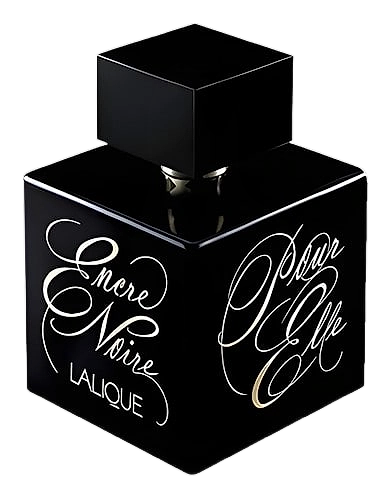
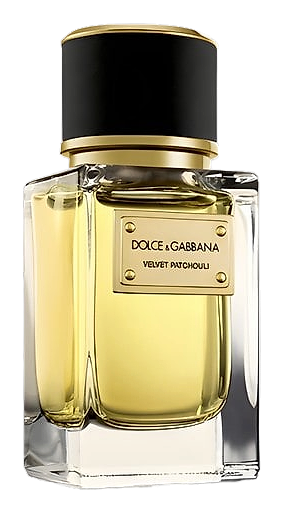
Fragrances featuring Kephalis

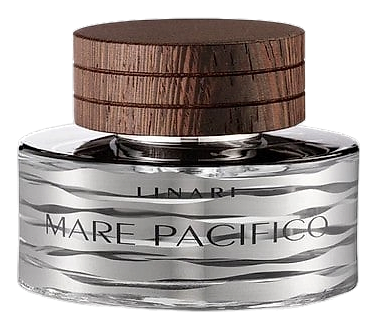
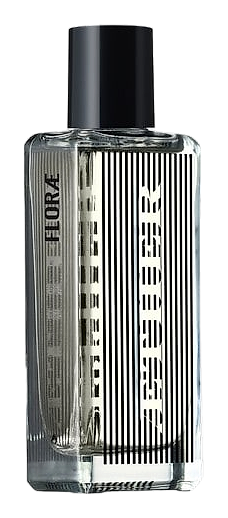
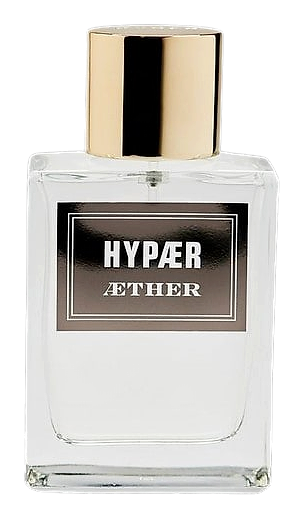
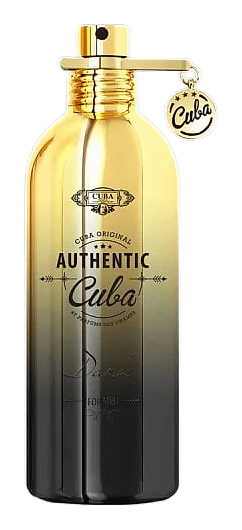
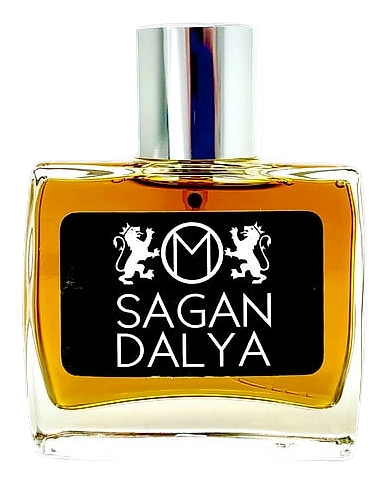
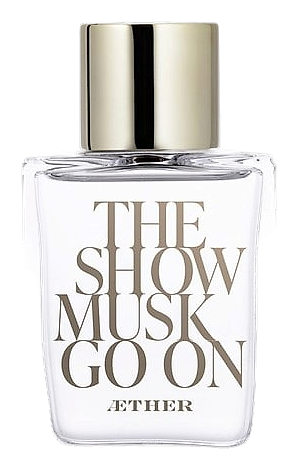
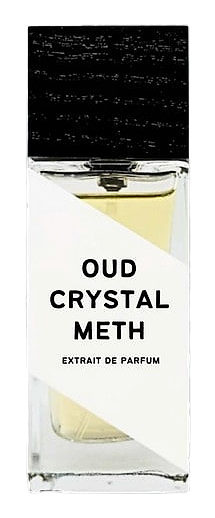
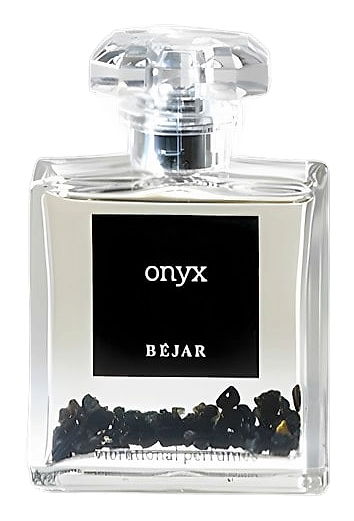

Brands
Brands known for Kephalis
Good to know
Questions, answered
The essentials on Kephalis in perfumery: how it smells, where it comes from, and how it behaves on skin.
What does Kephalis smell like?
Kephalis offers warm, woody characteristics with creamy depth and subtle floral nuances. It works as both heart and base note, providing lasting warmth to fragrance compositions.
Is Kephalis a natural or synthetic ingredient?
Kephalis is entirely synthetic, created through organic chemistry synthesis. It contains no natural aromatic materials and is produced in controlled laboratory conditions.
Which fragrance families use Kephalis?
Kephalis appears across woody, floral, and amber fragrance families. It pairs particularly well with jasmine, rose, violet, and lavender, adding depth without overpowering lighter notes.
Is Kephalis safe for use in cosmetics and perfumes?
Kephalis complies with IFRA guidelines for cosmetic and perfume use when applied within recommended concentration limits. Consult IFRA standards for specific application restrictions.
How does Kephalis compare to natural sandalwood?
Kephalis delivers woody, warm characteristics similar to natural sandalwood but with greater batch-to-batch consistency. It provides a sustainable alternative without price volatility.
What role does Kephalis play in perfumery?
Kephalis functions primarily as a heart and base note ingredient, providing lasting warmth and depth. Its versatility allows perfumers to use it across many fragrance types.
Can Kephalis be used in cold-process soap making?
Kephalis holds up well in cold-process soap formulations, maintaining its woody character through the saponification process and contributing lasting fragrance to the final product.
Why do perfumers choose synthetic ingredients like Kephalis?
Synthetics offer consistency, sustainability, and supply stability that natural materials cannot guarantee. Kephalis enables reproducible fragrance creation regardless of natural resource availability.