
The Story
Why it exists.
The beginning
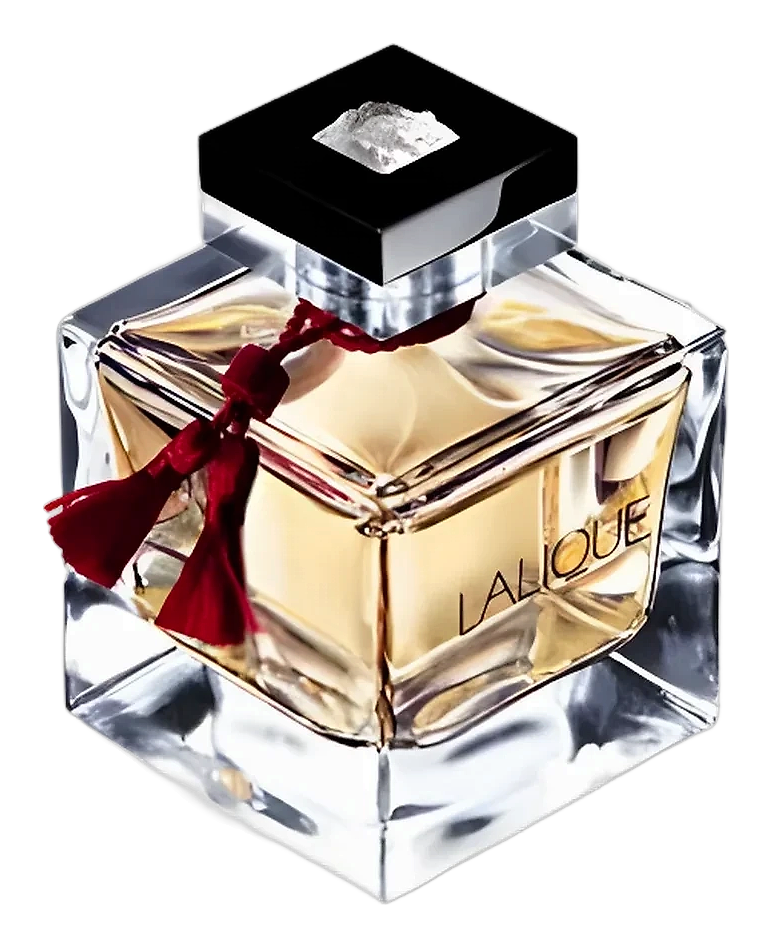
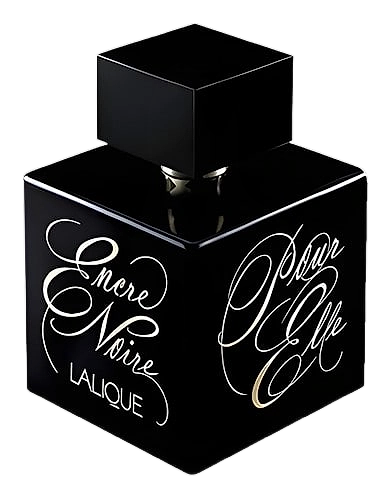
Christine Nagel designed Encre Noire Pour Elle as a feminine answer to the 2006 masculine Encre Noire. The original's dark ink accord, vetiver and cypress, became a foundation. She built upward from there, layering Turkish rose and osmanthus over that woody structure. The 2009 launch marked the arrival of a rose that refused to be delicate. Crystal and florals, Lalique's dual inheritance, made perfect sense in this form. The black crystal cube carries both: weight you can feel, scent you can't forget.
What makes this composition work is the vetiver backbone holding everything in place. Turkish rose tends to bloom and soften with time, here, vetiver and cedarwood keep it honest. Ambrette appears in both the opening and the base, threading clean musk through the entire arc. Osmanthus adds apricot-like sweetness that never overwhelms. Kephalis, a synthetic note rarely discussed openly, gives the heart a warm, velvety depth. The result is a rose that doesn't apologize for being floral. It owns it.
The evolution
The opening hits bright and cool. Bergamot and ambrette arrive together, citrusy, slightly nutty, clean. Freesia lingers in the background, cold and crystalline. Within twenty minutes, the rose takes over. Not a gentle rose. A thick, sweet Turkish rose that fills the space the bergamot left. Osmanthus adds a honeyed quality, almost apricot. The drydown belongs to vetiver and cedarwood, that dark ink signature the line is named for. Ambrette and white musk keep it soft against the skin. This phase lasts for hours.
Cultural impact
Encre Noire Pour Elle found its audience among wearers who wanted a serious rose, not a delicate floral but something with weight and presence. The vetiver backbone gives it a mineral quality rare in rose compositions. It's the kind of fragrance collectors return to when they want something that smells like it has history, even if you've only worn it for a few years.