The Story
Why it exists.
The beginning
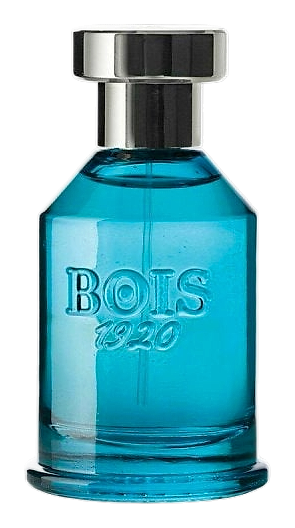
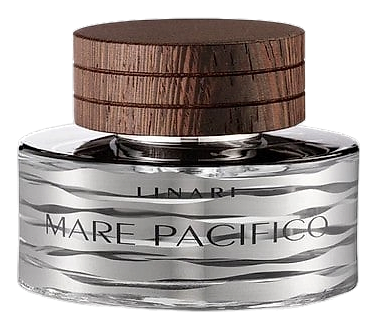
Mare Pacifico, Pacific Ocean. The name says everything and nothing. It's a reference point, not a description. Marine fragrances typically lean on a narrow palette, salt, ozone, watermelon synthetics, building an impression of the ocean from a handful of recognizable cues. What makes a marine fragrance feel like more than a single note? How does the atmosphere of the sea translate into something that lingers and evolves rather than announces itself and dissolves?
The answer came through mate absolute, a material more associated with South American bitterness than seaside freshness. Combined with Russian birch leaf and Spanish cypress, the opening reads as aromatic first, aquatic second. Calone handles the marine lifting. Turkish rose absolute and driftwood keep the heart from floating away entirely. By the base, sandalwood and patchouli have taken over, but the ocean hasn't disappeared, it's threaded through the wood, present but no longer announcing itself. The name promises infinity. The composition delivers something more considered.
The evolution
The sea doesn't arrive all at once. First, cypress and mate absolute, green, almost bitter, with Italian lemon cutting clean through. Then Calone lifts the whole thing, ozonic and alive. The green notes keep everything honest, keep it from becoming a stereotype of salt water. The heart opens into something bigger, Calone's marine wave carrying ozonic notes and Turkish rose absolute. The green notes and driftwood keep it grounded, not just floating. Then the base settles: Kephalis, Ceylonese sandalwood, Indonesian patchouli, French moss. The marine doesn't disappear. It deepens, becomes part of the wood, part of the skin. Salt in the grain. That's the trick. That's what makes it last. Long after the first hour, the scent remains close, present, lingering on the skin rather than announcing itself to the room.
Cultural impact
Mare Pacifico sits within Linari's broader project: bringing structure and intelligence to fragrance composition. The marine category has often relied on familiar tricks, cool, watery impressions that announce themselves loudly and fade just as fast. Mare Pacifico takes a different approach, using mate absolute and green complexity to create a marine that doesn't simply announce itself and vanish. The scent rewards attention rather than demanding it. It opens aromatic and stays close, with salt that never quite leaves, becoming part of the skin rather than floating above it.