Heritage
A house, in its own words
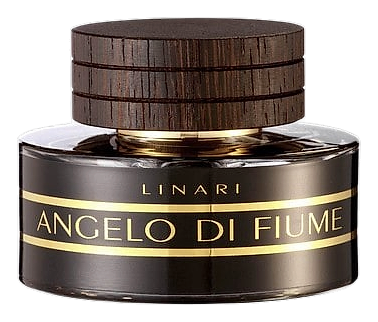
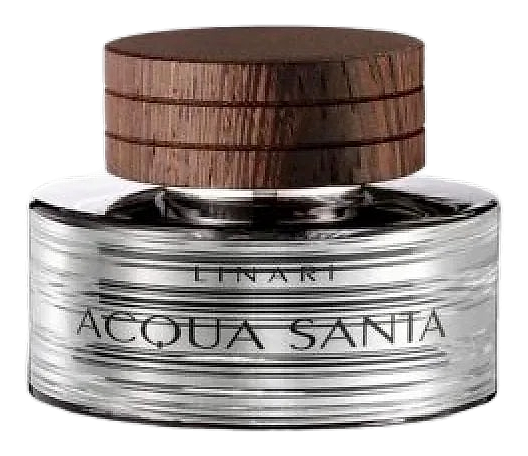
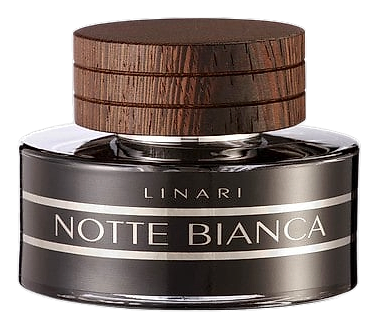
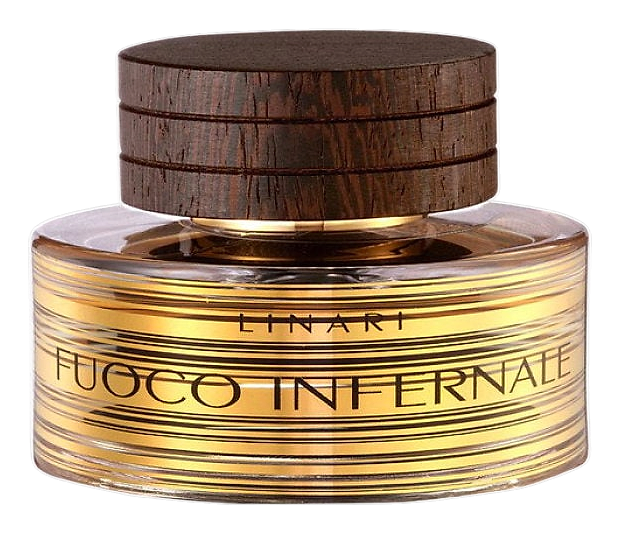
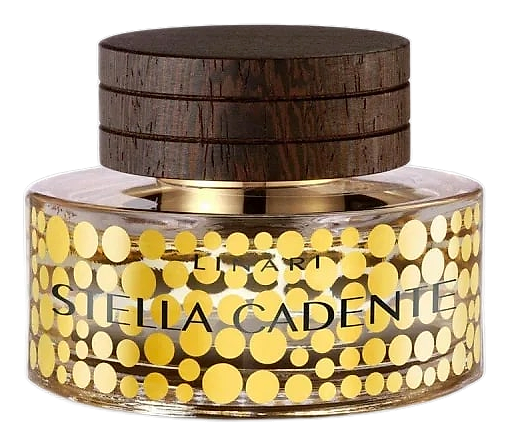
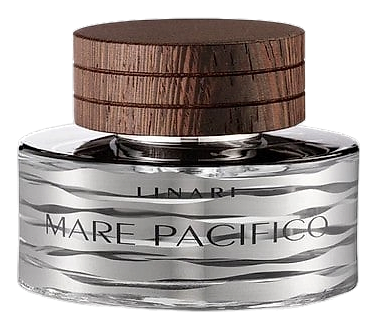
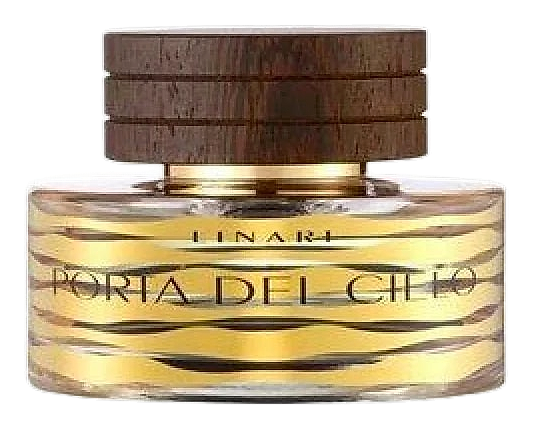
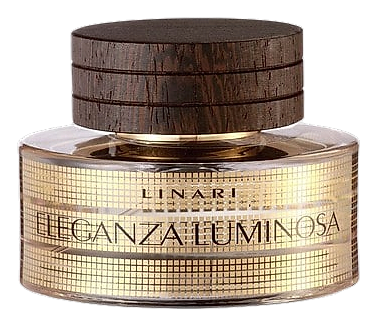
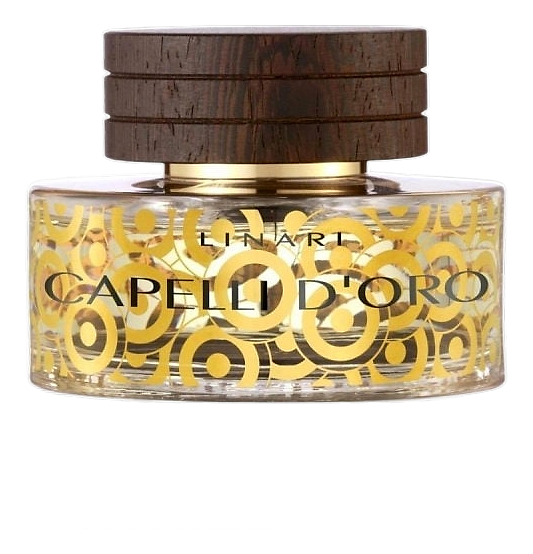
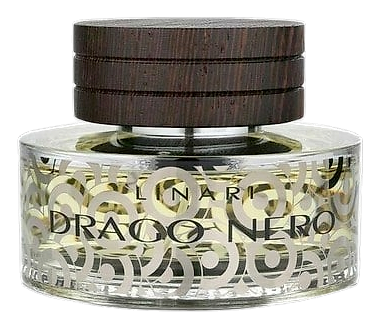
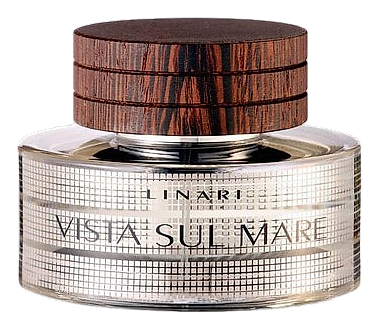
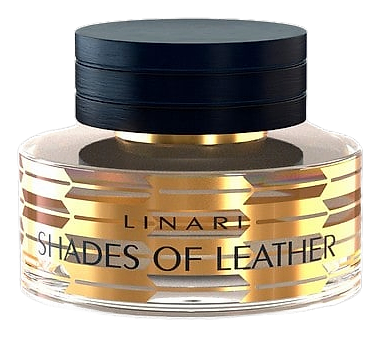
Rainer Diersche never set out to become a fragrance mogul. An industrial designer by training, he spent his early career working in Italian design stores in Munich, where he first encountered reed diffusers. The product intrigued him. The aesthetic possibilities excited him. In 2003, he launched Linari from Hamburg, named after a small village in Tuscany that captured the warm, sun-drenched elegance he wanted his brand to embody. The first three diffusers hit the market that year. They were immediate proof that Diersche understood something the fragrance world needed: consumers wanted their scents to look as good as they smelled. The business grew steadily, expanding from room fragrances into candles, then soaps, each product carrying that unmistakable Linari visual DNA. The real pivot came in 2008. After five years establishing themselves in home fragrance, Linari entered fine fragrance with four eaux de parfum: Angelo di Fiume, Notte Bianca, Eleganza Luminosa, and Vista Sul Mare. Mark Buxton and Egon Oelkers composed the scents. Heavy French glass bottles shaped like inkwells held the juice, each crowned with a cap of African wenge wood. It was a statement. Home fragrance had made them respected. Personal fragrance would make them remembered. Linari operates on a simple but demanding principle: fragrance and design must exist in perfect symbiosis. One cannot dominate the other. Neither can be an afterthought. This philosophy stems directly from Diersche's background as an industrial designer who views every product as a complete sensory experience. The brand rejects ostentation. Their fragrances are balanced, cultured, subtle rather than shouting. The design is minimalist but warm, architectural but never cold. Every element serves the whole. When you buy Linari, you are buying a complete aesthetic statement, a philosophy of living that values quality craftsmanship and innovative composition without flash or pretension.
