
The Story
Why it exists.
The beginning
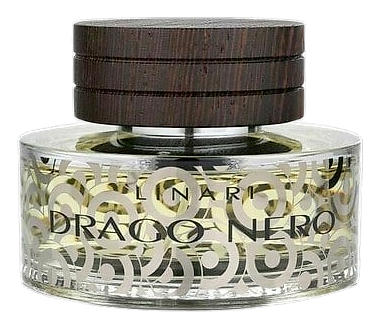
Mark Buxton received a simple brief: vetiver, but not as the fragrance world typically deploys it. The name itself suggests what's coming. Drago Nero, black dragon, conjures something that doesn't ask permission. Buxton built the composition around that tension: tropical brightness in the opening, woody-earthy resolve in the drydown, with spices and florals handling the transition. The result is a fragrance that incorporates vetiver into its structure, using it to anchor the composition rather than to serve as a familiar archetype. The vetiver appears alongside tropical and spicy elements, creating unexpected combinations that a straightforward fresh-soap masculine approach would typically avoid.
The structure features a pineapple that lingers alongside the spices, creating a fruity-spicy bridge. The arnica in the base adds an herbal depth that prevents the drydown from becoming purely woody. The combination of Haitian and Javanese vetiver with guaiac wood creates a dual-wood character that's simultaneously smoky and creamy. The Haitian vetiver contributes an earthy, root-like quality while the Javanese brings smokier dimensions. Guaiac wood adds its own smoky, almost tar-like character while providing a subtle creaminess.
The evolution
The opening announces itself immediately, pineapple, bergamot, and Calabrian citrus in a rush that feels confident. Magnolia adds a brief floral softness before black pepper arrives early, signaling that warmth is coming. This is not a fragrance that whispers its introduction. The sillage develops into a distinct presence that evolves as the fragrance wears. The heart phase doesn't so much arrive as accumulate. Black pepper and carnation build slowly, creating a warm spice that catches you off guard. Rose and violet emerge gradually, with iris adding a powdery softness that tempers the carnation's heat. The florals don't compete with the spices, they complicate them. The drydown is where vetiver takes over. Earthy, smoky, with a root-like quality that feels both natural and deliberate.
Cultural impact
Appeals to those who appreciate the vetiver genre and seek something with a particular character. The woody-fruity structure combines tropical brightness with earthy depth, while the vetiver-centric drydown gives it a distinct quality. The note combination creates an interesting contrast between the bright opening and the darker, earthier foundation that follows. Those drawn to vetiver may find this pairing offers something that differs from more conventional approaches to the material.
The House
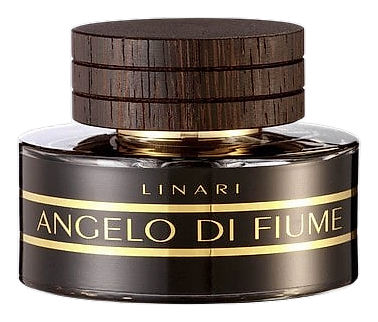
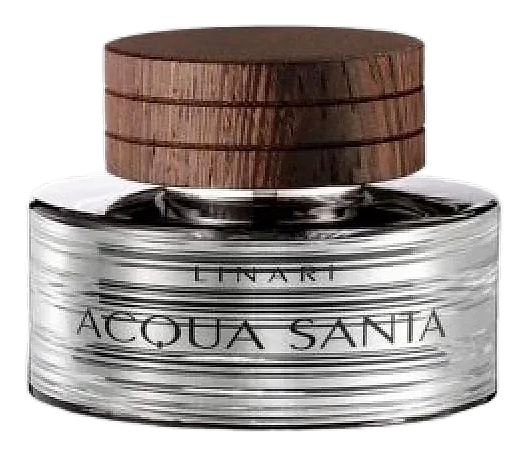
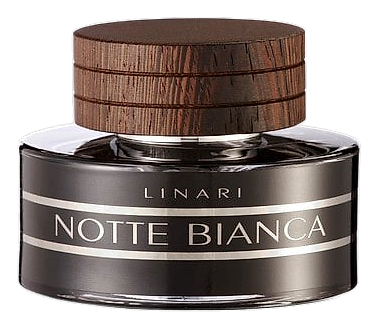
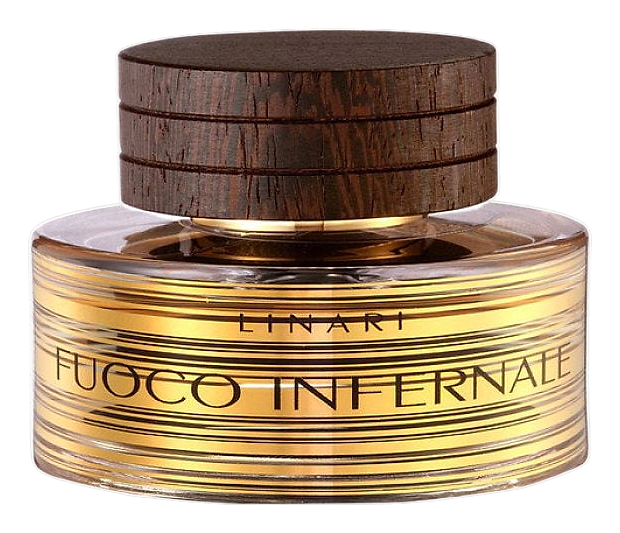
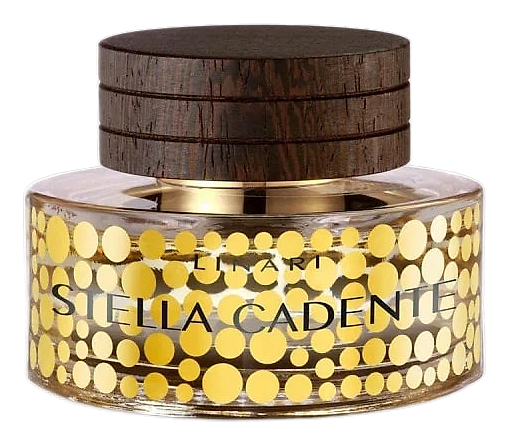
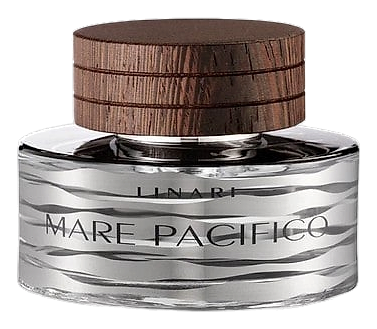
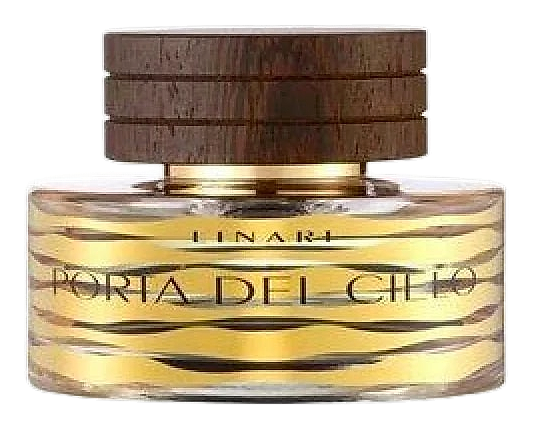
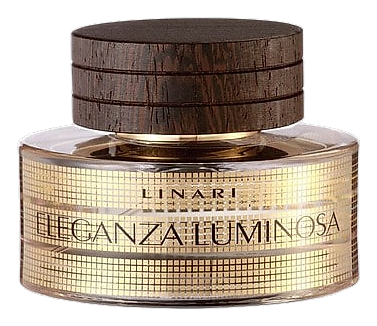
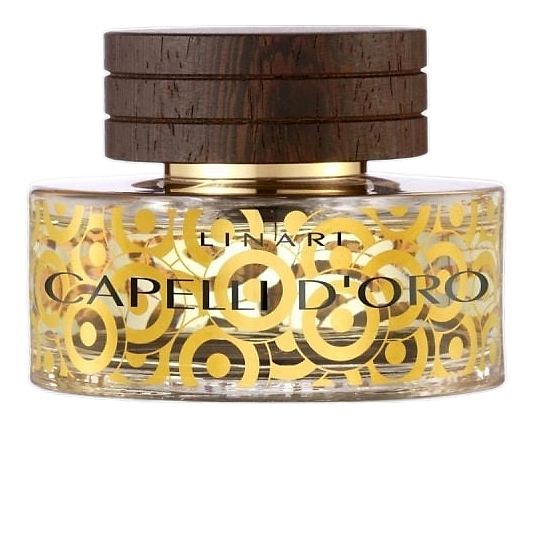
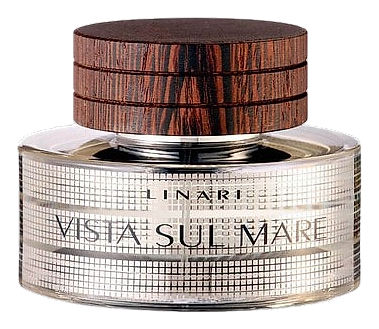
LinariLinari is a German luxury fragrance house where industrial design meets olfactory artistry. Founded in 2003 by Rainer Diersche, the brand began as a purveyor of exquisite home fragrances before expanding into personal perfumes in 2008. Their creations, housed in architectural bottles that double as objets d'art, represent a philosophy of pure symbiosis between scent and design. Working with master perfumers including Maurice Roucel and Mark Buxton, Linari crafts balanced, sophisticated fragrances that feel as considered as they smell.
The Creator
Mark BuxtonMark favors a structural approach that starts with a strong base, often built from rare woods, ambergris substitutes, or aged resins. He layers these foundations with carefully selected heart notes—spices, florals or herbs—that add depth without overwhelming the base.