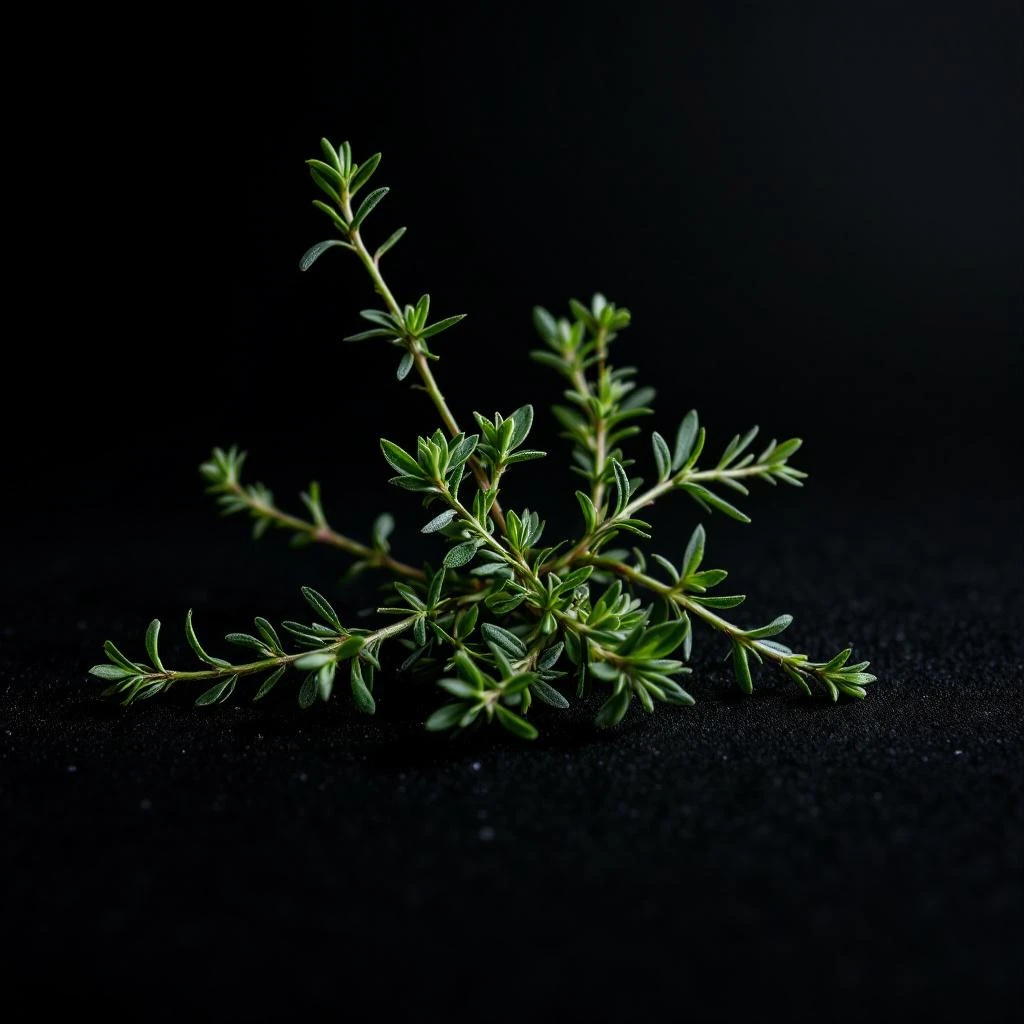
Arnica
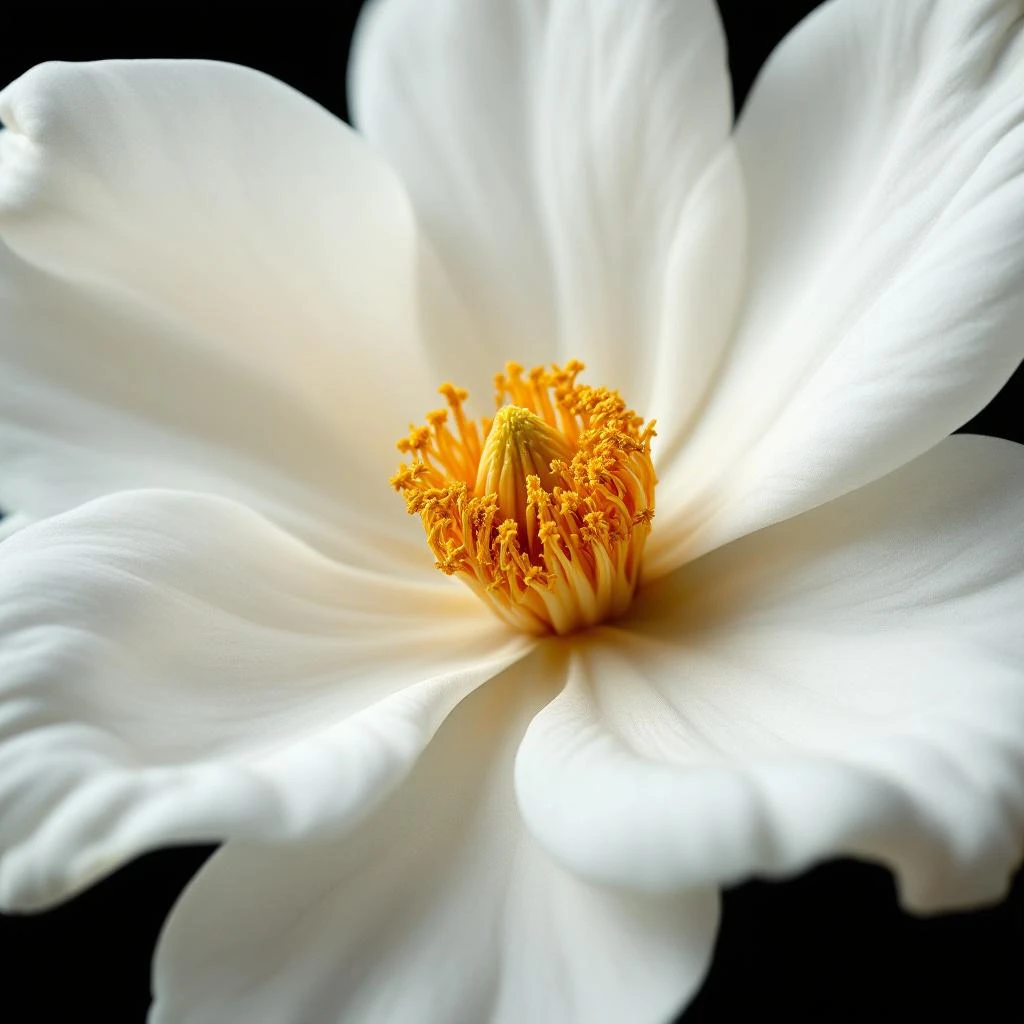
Arnica brings a rare herbal warmth to perfumery, sourced from high-altitude Alpine meadows. This botanical extract offers bitter, slightly medicinal qualities that add unexpected depth to fragrance compositions.
Character
How it smells
Alpine herbal depth with bitter warmth.
Despite its fame in bruise-healing balms, arnica appears rarely in perfumery, making it a distinctive choice for those seeking unconventional botanical accords.


Origin
Switzerland
Arnica montana has grown in European Alpine regions for centuries, thriving in nutrient-poor soils above 2,000 meters elevation. Traditional folk medicine across Switzerland, Austria, and Germany relied on arnica preparations for muscle aches and wound healing.
Perfumers began exploring the extract in the late 20th century, drawn to its unusual bitter-herbal character that differentiates compositions from sweeter botanical fragrances. Today, the ingredient remains rare in fine fragrance, valued by perfumers seeking unconventional herbal accents.
Wears it best
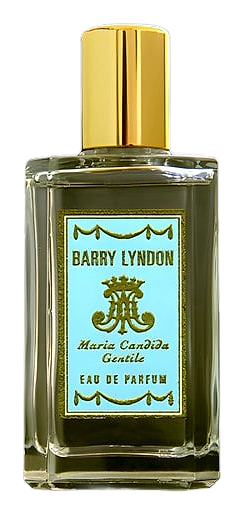
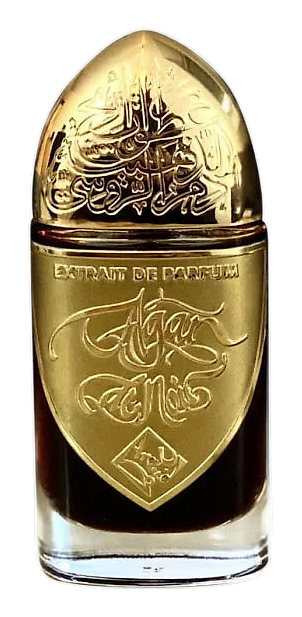
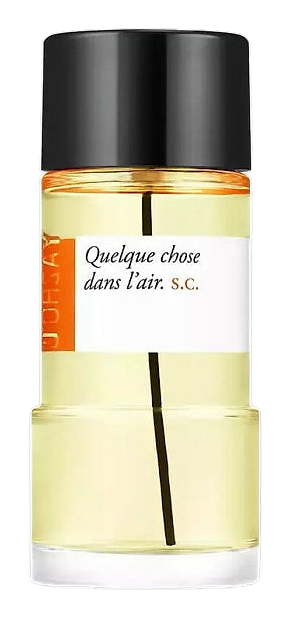
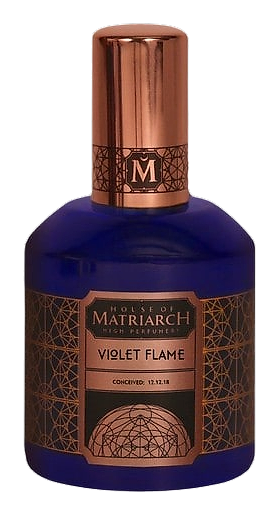
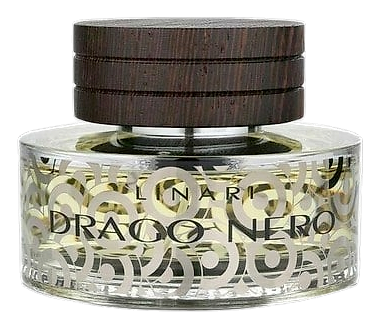
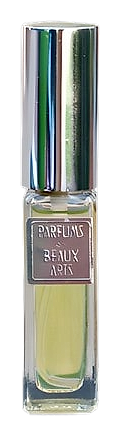
Fragrances featuring Arnica

Brands
Brands known for Arnica
Good to know
Questions, answered
The essentials on Arnica in perfumery: how it smells, where it comes from, and how it behaves on skin.
What does arnica smell like in perfume?
Arnica has a bitter-herbal scent with warm, slightly medicinal undertones. It adds an earthy, botanical quality rather than the sweetness typical of floral ingredients.
Where does arnica grow for perfumery use?
The finest arnica grows wild in Alpine meadows of Central Europe, particularly Switzerland, Austria, and Germany, at elevations above 2,000 meters.
Is arnica common in fragrance formulas?
No. Arnica appears rarely in perfumery, making it an unusual ingredient. Most people encounter arnica in medicinal preparations rather than perfumes.
Which parts of the arnica plant are used for fragrance?
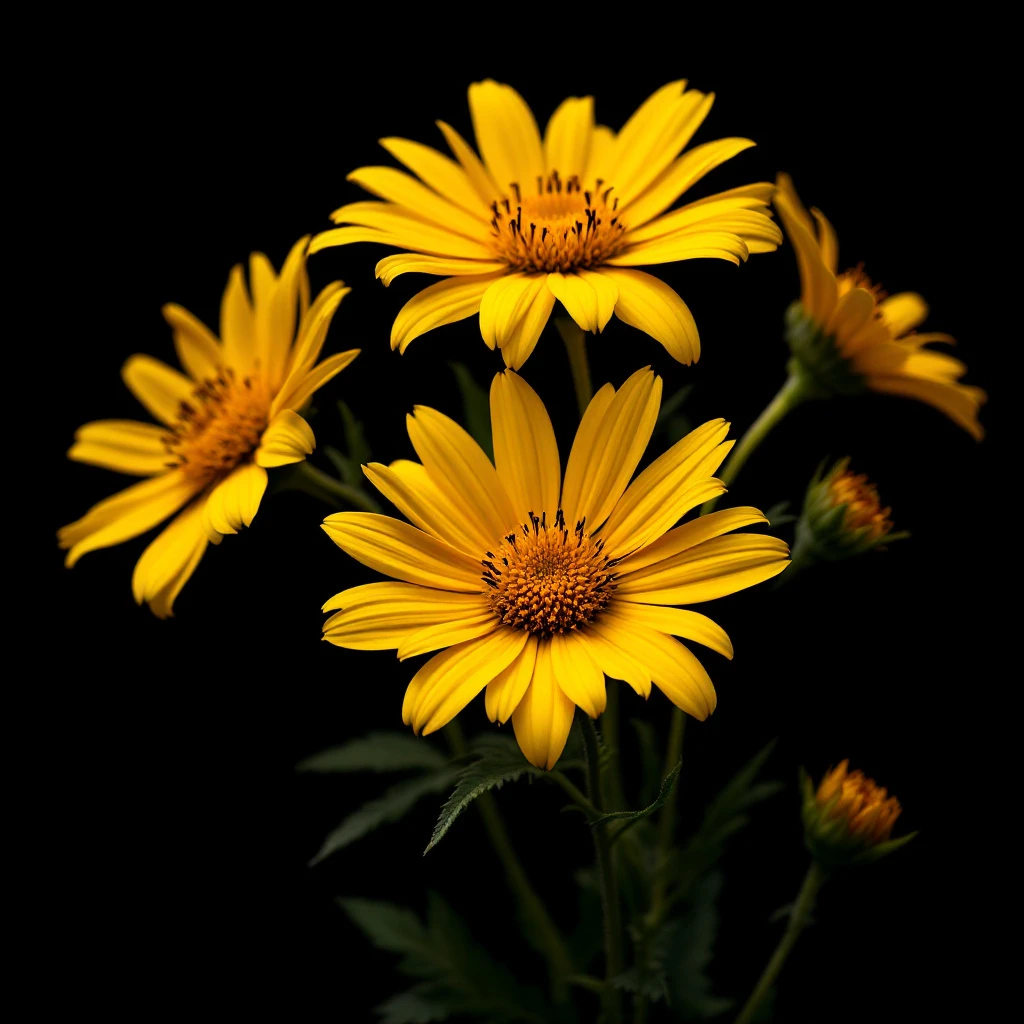
Only the bright yellow flowers are used. They are harvested by hand during the brief summer bloom period and processed immediately to preserve aromatic quality.
Is arnica extract natural or synthetic?
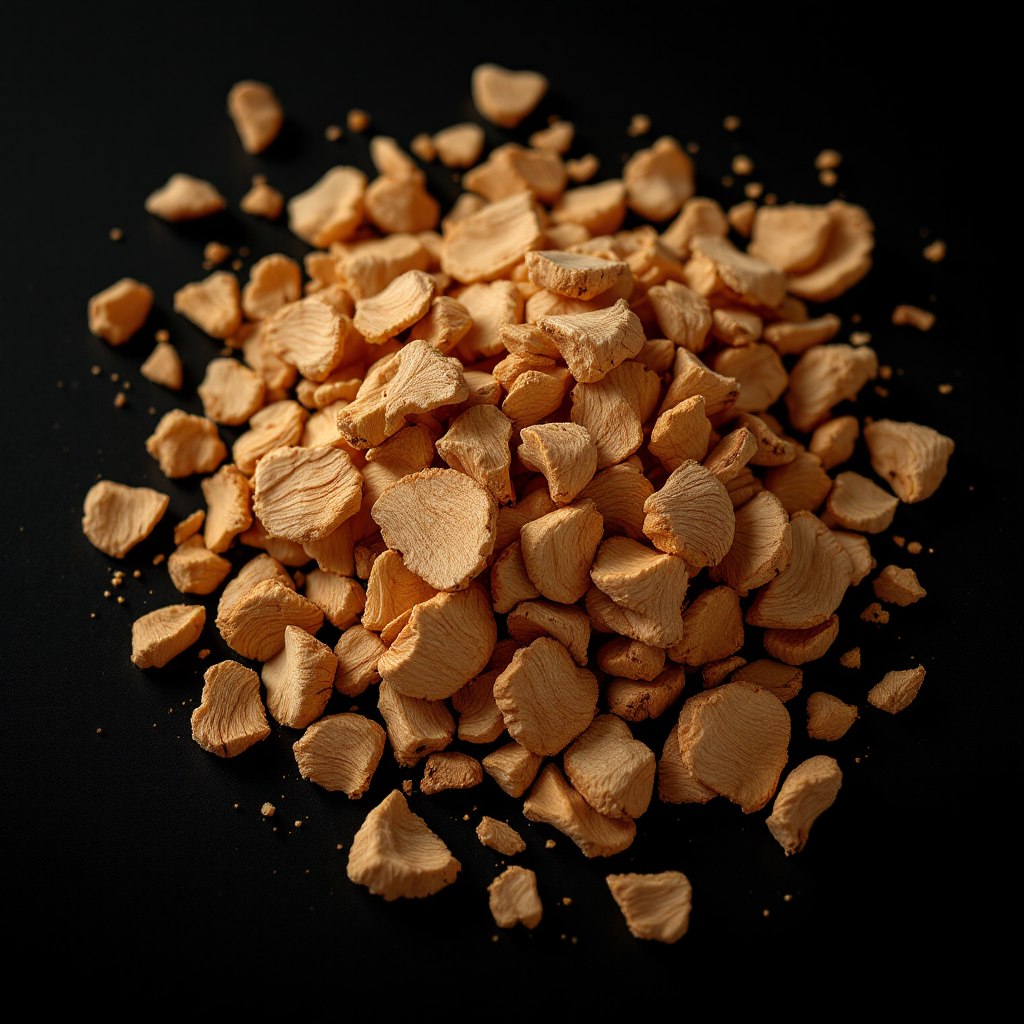
Natural. Arnica extract comes from wild-grown Arnica montana flowers processed through solvent extraction. No synthetic equivalent exists.
What fragrance families pair well with arnica?
Chypre, fougère, and aromatic fragrance families complement arnica best. Its bitter herbal note anchors compositions with lavender, oakmoss, and citrus.
Does arnica have traditional uses beyond perfumery?
Yes. European folk medicine has used arnica for centuries to treat bruises, muscle strains, and inflammation. Topical preparations remain common today.
How is arnica extract made?
Freshly harvested flowers undergo solvent extraction, producing an absolute or concrete. Steam distillation damages the delicate aromatic compounds, so solvent methods are preferred.