Beta Ionone
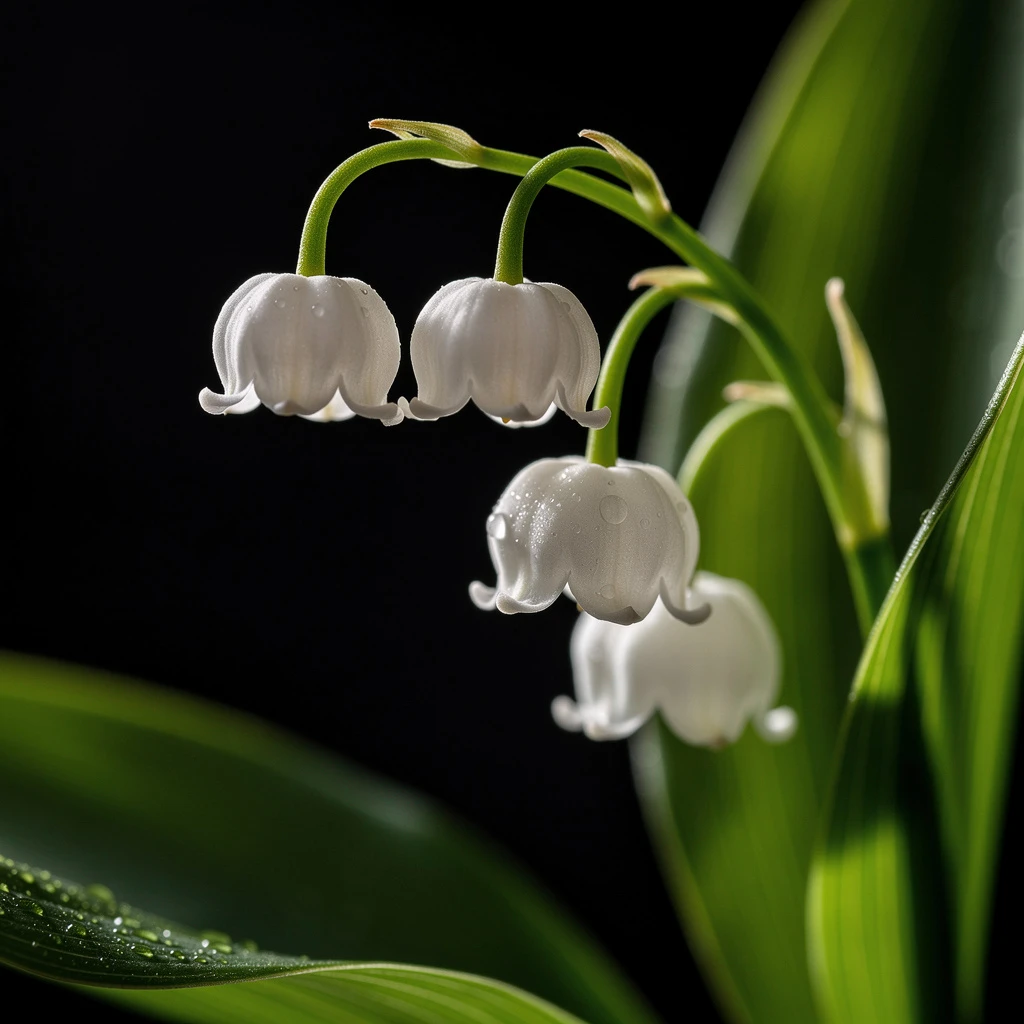
Beta ionone is a fragrant ketone that captures the essence of violets and irises. Its powdery, floral character with warm woody undertones makes it indispensable in modern perfumery, bringing sophisticated depth to rose bases and violet accords alike.
Character
How it smells
The violet note perfumers spent centuries chasing
Beta ionone forms naturally when your body breaks down beta-carotene, the same pigment that makes carrots orange.



Origin
Germany
In 1898, German chemists Ferdinand Tiemann and Paul Krüger achieved a landmark synthesis by converting citral from Litsea cubeba into ionone. Their breakthrough came while investigating the structure of irones from Iris pallida roots, and the resulting violet-scented molecule sent shockwaves through the perfumery world. For centuries, perfumers had struggled to capture true violet essence, relying on expensive violet petal enfleurage or synthetic approximations.
The discovery of ionone changed everything. It provided a stable, concentrated violet note at a fraction of traditional costs. The compound quickly became foundational in floral and powdery fragrance families, prized for adding sophisticated depth to rose bases and elegantiris accords.
Beta ionone remains a cornerstone of modern perfumery, linking nineteenth-century chemistry to contemporary fragrance creation.
Wears it best
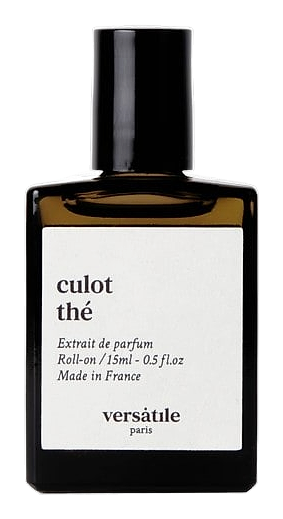
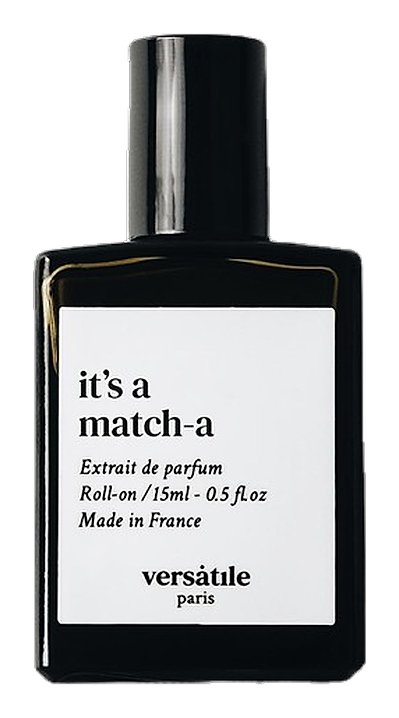
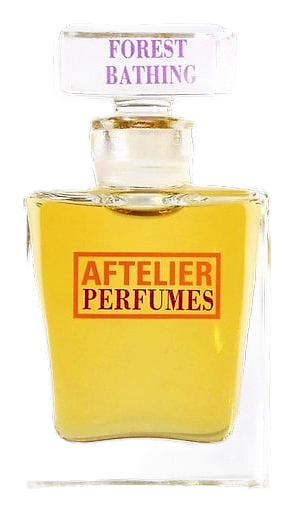
Fragrances featuring Beta Ionone
Brands
Brands known for Beta Ionone
Good to know
Questions, answered
The essentials on Beta Ionone in perfumery: how it smells, where it comes from, and how it behaves on skin.
What does beta ionone smell like?
Beta ionone delivers a characteristic violet and iris scent with powdery, floral qualities and subtle woody undertones. It evokes fresh violets and the earthy depth of orris root.
Is beta ionone natural or synthetic?
Commercial beta ionone is primarily synthetic. While it occurs naturally in roses, violets, and iris rhizomes, natural concentrations are too low for economical extraction.
In which fragrance families is beta ionone used?
Beta ionone appears across floral, powdery, and chypre fragrance families. It features prominently in violet and iris compositions and adds depth to rose bases.
Is beta ionone safe for cosmetic use?
Beta ionone is approved for cosmetic and perfumery applications within IFRA guidelines. It shows no skin sensitization concerns at typical usage concentrations.
Why was beta ionone historically significant?
Its 1898 synthesis by Tiemann and Krüger finally gave perfumers an affordable, stable violet note. Before this, capturing violet essence required expensive traditional methods.
Can beta ionone be extracted from plants?
Natural extraction is impractical. While present in roses, violets, and iris roots, beta ionone concentrations are too dilute for commercial isolation.
What is the connection between beta ionone and vitamin A?
Both are derived from beta-carotene. Beta ionone forms as a byproduct when the body metabolizes this common dietary pigment found in orange vegetables.
Why is beta ionone important in perfumery?
It is one of the most widely used aromatic ketones in fragrance chemistry, prized for recreating violet and iris notes that were historically difficult to capture.
In the same family