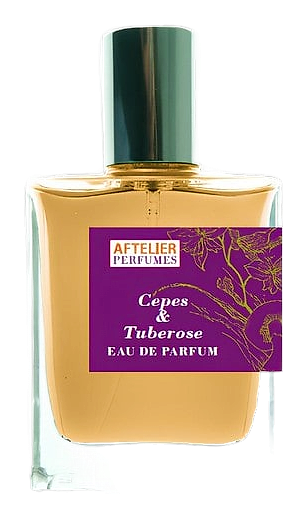
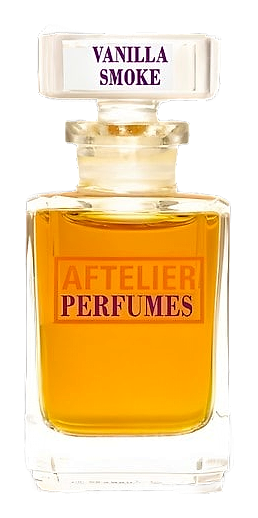
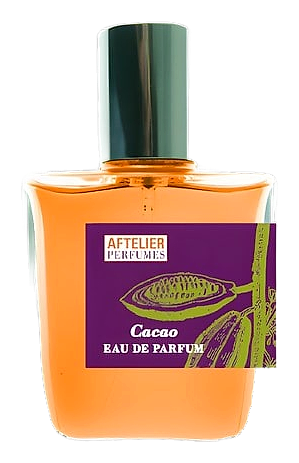
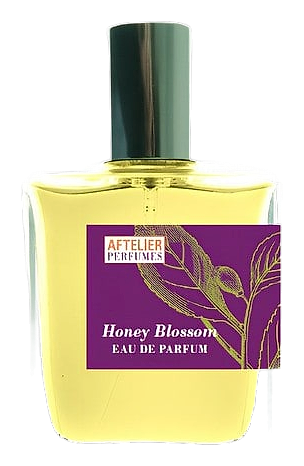
    Brand Profile

    Aftelier Perfumes is a Berkeley‑based atelier that builds scents from natural ingredients harvested around the world. Founder Mandy Aftel tr…More

    United States·Est. 2000·Site

    4

    Fragrances

    4.4

    Rating

    Just Landed

    New Arrivals

    The latest additions to the Aftelier collection.

    50
    Boheme Confection by Aftelier – Eau de Parfum
    Best Seller
    5.0

    Boheme Confection

    Eau de Parfum

    Alchemy (2018) by Aftelier
    Best Seller
    5.0

    Alchemy (2018)

    Tango by Aftelier
    4.3

    Tango

    Parfum de Maroc by Aftelier
    3.3

    Parfum de Maroc

    Velvet Tuberose by Aftelier
    Best Seller
    5.0

    Velvet Tuberose

    Cognac by Aftelier
    4.9

    Cognac

    Antique Ambergris by Aftelier
    4.8

    Antique Ambergris

    Fir by Aftelier
    4.6

    Fir

    Orchid Single by Aftelier
    4.6

    Orchid Single

    Cuir Gardenia by Aftelier
    4.6

    Cuir Gardenia

    Jasmine Single by Aftelier
    4.6

    Jasmine Single

    Amber by Aftelier
    4.5

    Amber

    1 of 5

    The Heritage

    The Story of Aftelier

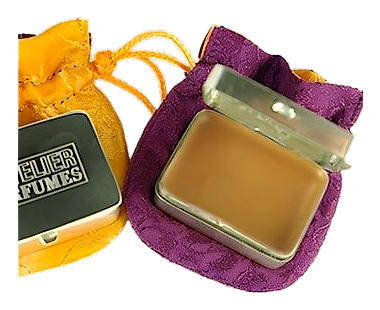
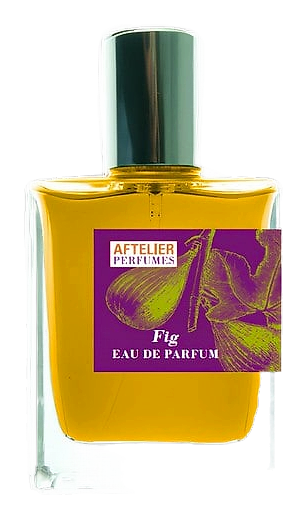
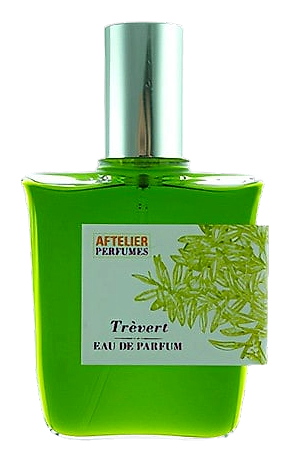
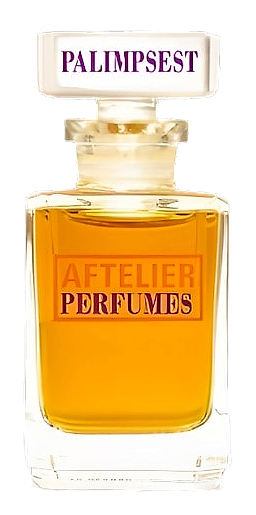
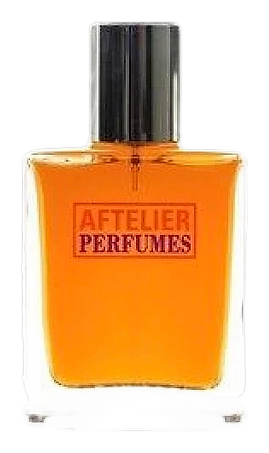
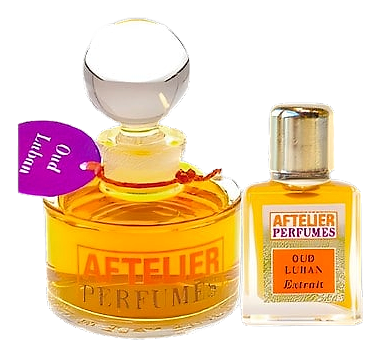
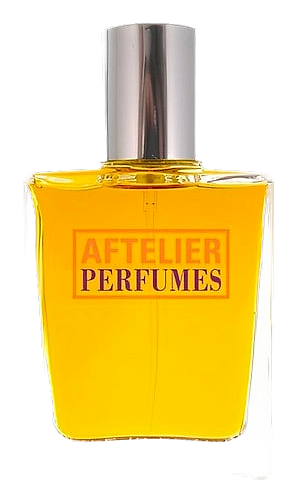
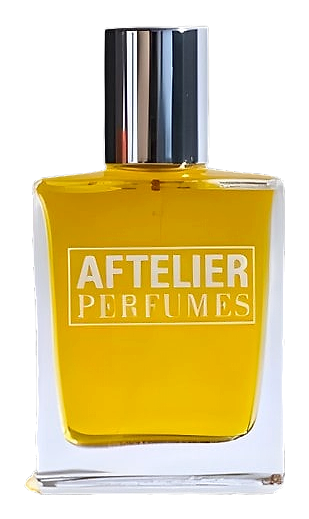
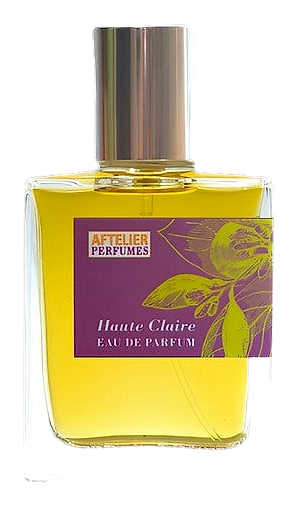
    Aftelier Perfumes is a Berkeley‑based atelier that builds scents from natural ingredients harvested around the world. Founder Mandy Aftel translates botanical extracts, resins and animalic notes into single‑note or minimalist blends that invite quiet contemplation. The house favors transparent labeling, small‑batch production and a museum‑like archive that invites visitors to explore the history of scent. Each fragrance arrives in a clear glass vial that showcases the liquid’s natural hue, reinforcing the brand’s commitment to purity and education.

    Heritage

    Mandy Aftel began her career in the mid‑1990s as a co‑founder of Grandiflorum, a boutique line that introduced American consumers to natural perfume ingredients. In 2000 she launched Aftelier Perfumes as an independent venture, positioning the brand as a laboratory for scent research rather than a commercial enterprise. Early releases such as Velvet Tuberose (2017) and Alchemy (2018) demonstrated her willingness to pair rare botanicals with classic accords. In 2008 Aftel opened the Aftel Archive of Curious Scents, the United States’ first museum devoted solely to perfume. The Archive houses historic bottles, raw materials and archival documents, offering scholars and enthusiasts a tangible link to perfume’s cultural legacy. Over the next decade Aftelier expanded its catalogue with single‑note creations like Jasmine Single and Orchid Single, as well as narrative blends such as Cuir Gardenia (2013) and Boheme Confection (2022). The brand has maintained a steady output, releasing roughly two to three new scents per year, each accompanied by a detailed ingredient list and a short essay that explains the olfactory intent. Aftelier’s growth has been organic; the company remains privately owned, operates out of a modest studio, and ships worldwide from its Berkeley headquarters. The house’s milestones include the publication of Aftel’s book "The Art of Natural Perfume" (2008), the inclusion of several fragrances in the Smithsonian’s collection of contemporary scent, and the recognition of Mandy Aftel by Vogue as one of the industry’s most prolific talents in 2015. Today Aftelier continues to champion natural perfumery while nurturing a community of scent‑curious collectors.

    Craftsmanship

    Aftelier creates each fragrance in a small studio where the perfumer measures raw materials by weight, not volume, to ensure consistency. The process starts with a laboratory‑grade scale and a set of glass beakers; the perfumer then combines essential oils, absolutes, tinctures and resins according to a handwritten formula. All ingredients arrive in sealed containers that list the botanical name, harvest region and extraction method. For example, the jasmine used in Jasmine Single comes from a night‑blooming farm in Grasse, France, where the flowers are hand‑picked at dawn and steam‑distilled within hours. The brand sources ambergris from reputable marine suppliers who follow international regulations, and it purchases oud wood from a certified sustainable forest in Indonesia. After blending, the mixture rests in a dark glass vessel for a period ranging from two weeks to six months, allowing the notes to integrate naturally. The aging stage takes place at a controlled temperature of 18 °C, a condition that the studio monitors with a digital hygrometer. Once the perfume reaches its intended balance, the perfumer filters the liquid through a fine mesh to remove any particulate matter, then decants it into the final glass vial. Quality control includes a blind scent test performed by a panel of three independent noses, each of whom records the perceived strength, clarity and longevity of the fragrance. The results guide any final adjustments before the batch is sealed. Aftelier limits each release to a maximum of 500 bottles, a practice that maintains exclusivity while reducing waste. The brand also documents every batch in a ledger that records the harvest date, supplier details and batch number, providing full traceability for collectors who wish to verify provenance.

    Design Language

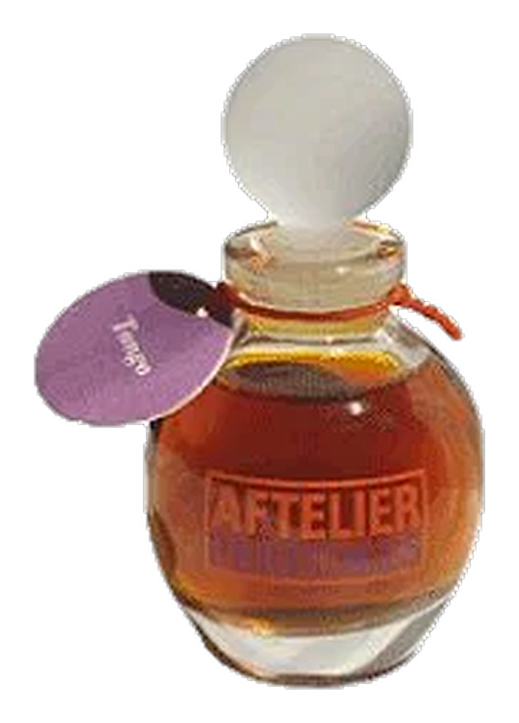
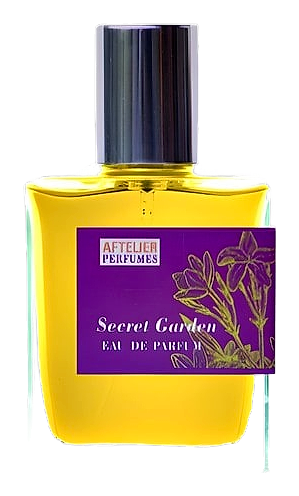
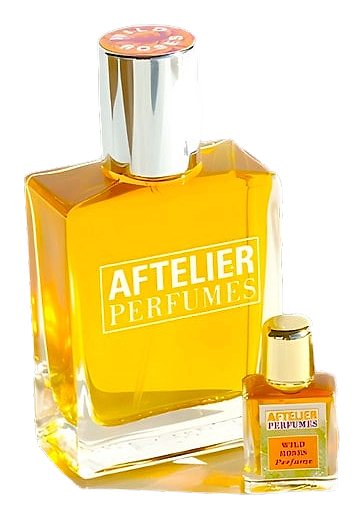
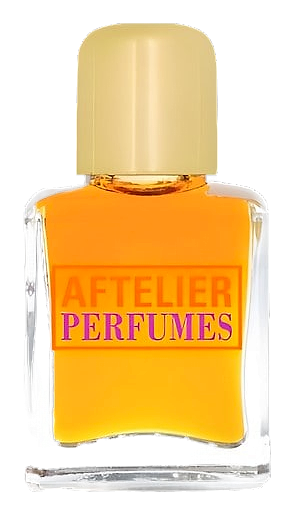
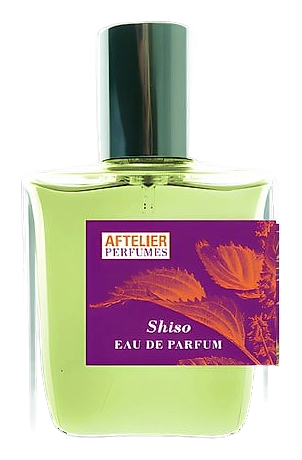
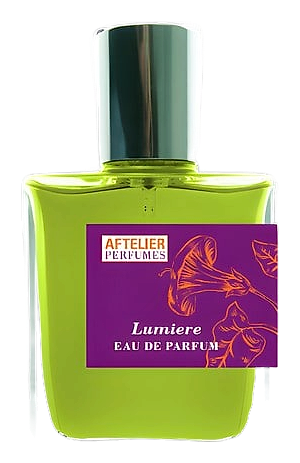
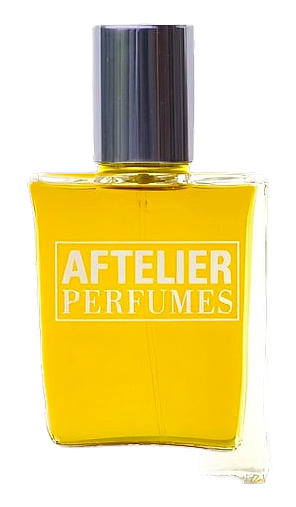
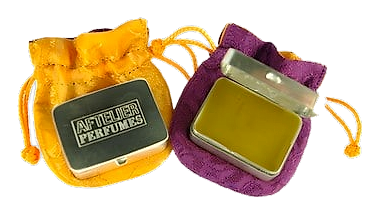
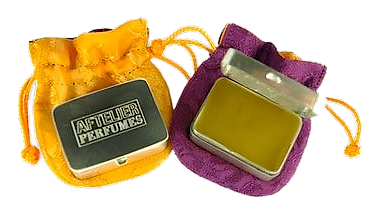
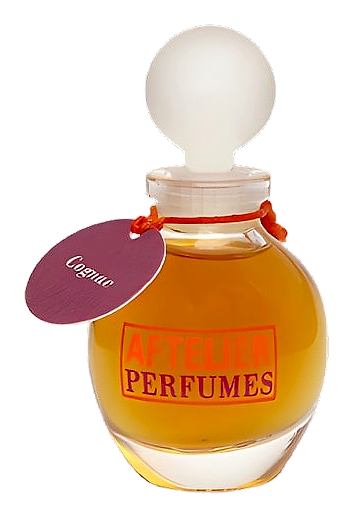
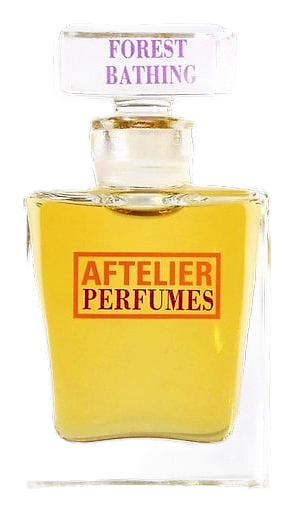
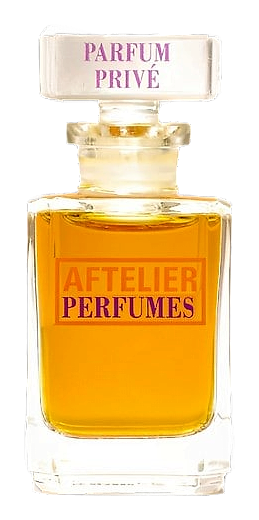
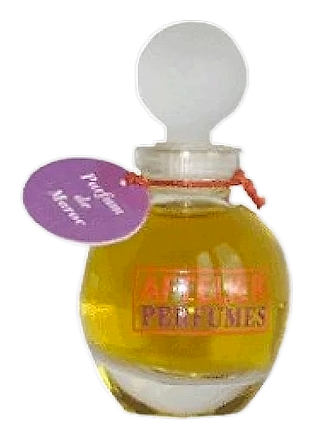
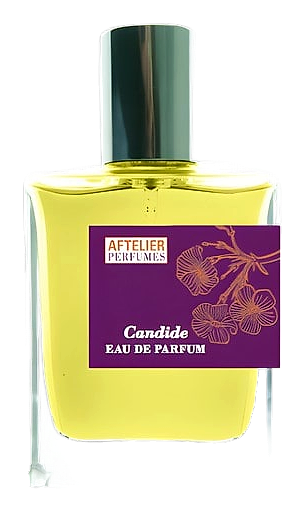
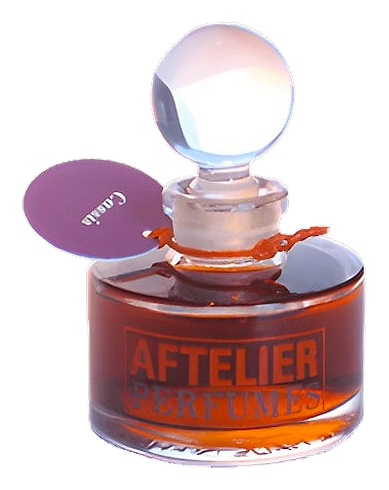
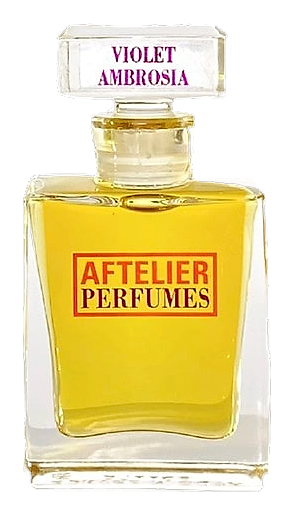
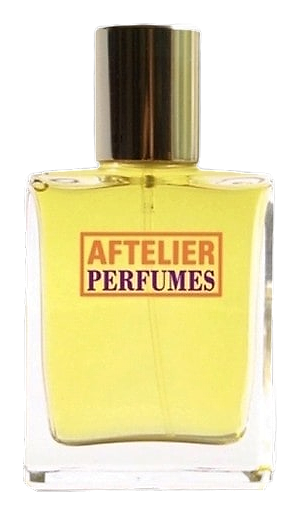
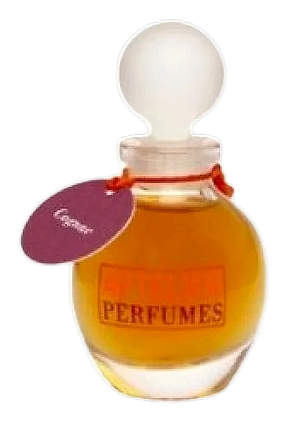
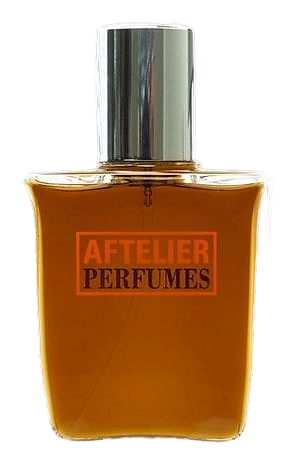
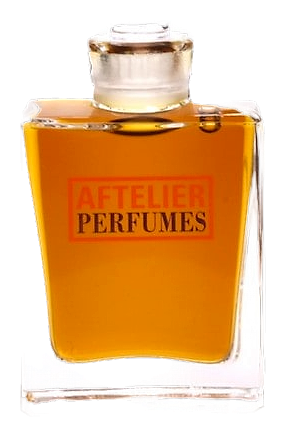
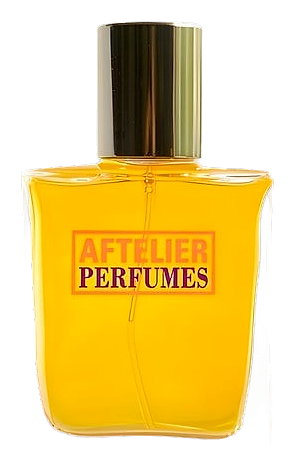
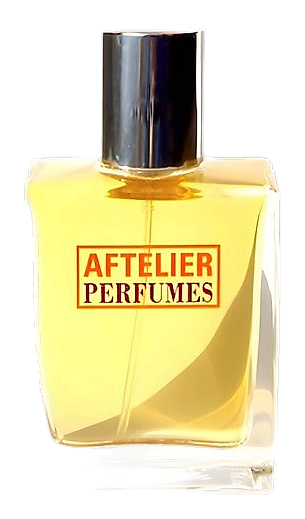
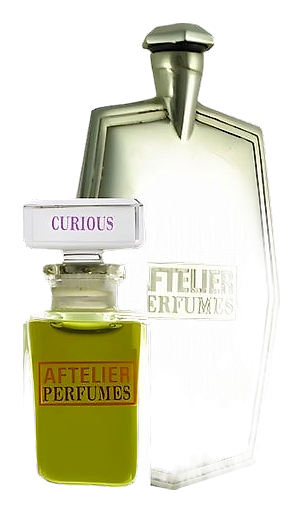
    Aftelier’s visual language mirrors its commitment to clarity and natural beauty. The bottles are simple cylindrical flasks made of clear, thick glass that showcase the perfume’s inherent color, whether it is a pale amber, a soft ivory or a deep mahogany. The caps are brushed aluminum, engraved with the fragrance name in a clean sans‑serif typeface. Labels consist of a thin white band that bears the ingredient list in black, legible lettering; no ornamental graphics distract from the information. The brand’s website follows the same minimal approach, using ample white space, high‑resolution photographs of raw materials, and short, narrative captions that explain each scent’s inspiration. In the Aftel Archive, the display cases are built from reclaimed wood, and each artifact is accompanied by a handwritten card that notes its historical context. Marketing collateral, such as postcards and press kits, employ muted earth tones and a restrained palette of greens, browns and creams, reinforcing the idea that the fragrance itself is the focal point. The overall aesthetic conveys a sense of quiet scholarship, inviting the viewer to pause, read, and smell rather than to be overwhelmed by flashy branding.

    Philosophy

    Aftelier approaches perfume as a sensory narrative rather than a decorative product. The house believes that scent should be honest, traceable and evocative of place. Each formula begins with a single natural material that carries a distinct memory; the perfumer then layers complementary notes to amplify that memory without masking it. Aftel’s statements emphasize education, encouraging customers to read the ingredient list and explore the botanical origins. The brand rejects synthetic shortcuts, arguing that natural extracts offer a depth that cannot be replicated by lab‑made molecules. Sustainability informs every decision: ingredients are sourced from growers who practice organic or wild‑harvest methods, and the company prioritizes fair trade relationships. Transparency extends to packaging; the glass bottles are recyclable, the caps are made from aluminum, and the outer boxes are printed with soy‑based inks. Aftelier also supports the preservation of endangered plant species by funding small‑scale cultivation projects in regions such as Madagascar and the Himalayas. The creative vision remains rooted in curiosity, inviting perfumers to investigate forgotten aromas and to share those discoveries with a public that values authenticity over hype.

    Key Milestones

    1995

    Co‑founded Grandiflorum, introducing natural perfume ingredients to the U.S. market.

    2000

    Launched Aftelier Perfumes as an independent, natural‑focused brand.

    2008

    Opened the Aftel Archive of Curious Scents, the first U.S. museum dedicated to perfume.

    2015

    Vogue named Mandy Aftel one of the industry’s most prolific talents.

    2017

    Released Velvet Tuberose, a single‑note fragrance that highlighted sustainably harvested tuberose from India.

    2022

    Introduced Boheme Confection, a limited‑edition scent that combined cacao absolute with Madagascan vanilla.

    At a Glance

    Brand profile snapshot

    Origin

    United States

    Founded

    2000

    Heritage

    26

    Years active

    Collection

    4

    Fragrances released

    Avg Rating

    4.4

    Community sentiment

    Release Rhythm

    2025
    2
    2024
    1
    2023
    1
    2022
    1
    2021
    1
    2020
    1
    2019
    2
    2018
    2
    aftelier.com

    Did You Know?

    Interesting Facts

    Distinctive details and defining moments that shape the house personality.

    01

    The Aftel Archive houses a 19th‑century perfume bottle that once belonged to a French aristocrat, making it one of the oldest artifacts in a U.S. scent museum.

    02

    Aftelier’s Velvet Tuberose uses tuberose cultivated without synthetic pesticides, a practice that reduces soil contamination and supports pollinator health.

    03

    Mandy Aftel authored "The Art of Natural Perfume," a textbook that is used in several university courses on olfactory studies.

    04

    The brand’s limited‑run batches are numbered by hand, and collectors often treat the numbers as a secondary collector’s item.

    The Artisans

    The Perfumers