The Story
Why it exists.
The beginning
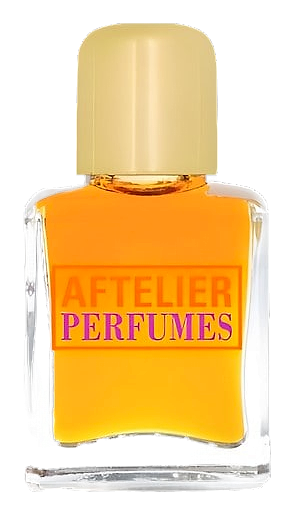
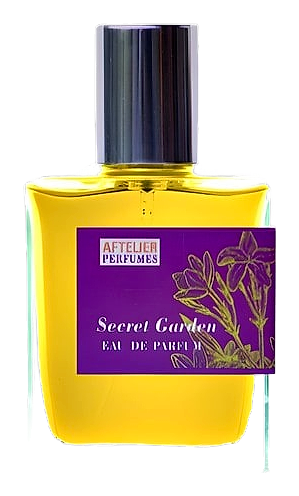
The name came from a conversation. In 2011, during a correspondence series between Mandy Aftel and another perfumer on Nathan Branch's blog, the idea took shape, named after Frances Hodgson Burnett's 1910 novel about a girl who discovers a barren garden and brings it back to life. The metaphor felt right: a fragrance that blooms into something wilder than it started. Aftel has never been interested in safe compositions. Secret Garden was her way of building a garden that fights back.
The structure is unusual, a floral heart wrapped in animalics from the start, rather than tacked on at the end. Most fragrances introduce civet and castoreum late, letting them creep in. Here they're woven through. The Turkish rose and jasmine sambac arrive already compromised by something muskier, earthier. That's the trick: the florals never fully win. They're always negotiating with the base. Raspberry and blue lotus add an unexpected sweetness to the middle, which makes the animalic turn at the end feel earned rather than jarring. It's a garden where something is always growing over something else.
The evolution
The opening is citrus-bright, bergamot and blood orange over Brazilian rosewood, almost playful. Geranium adds an herbal green lift that keeps it from becoming sweet too soon. This phase lasts maybe twenty minutes before the florals take over. The heart arrives with raspberry cutting through jasmine sambac and Turkish rose. The blue lotus adds a strange, slightly aquatic quality that prevents the florals from becoming predictable. Around hour two, the animalics assert themselves. The civet doesn't arrive gently. It's a sudden warmth, something close to skin, and it changes the entire conversation. Castoreum follows, beaver, earthier than expected, and together they push the roses into the background. The drydown is patchouli and benzoin, vanilla settling underneath. On most skin types, this lasts 8-10 hours. The next day there's still something there on fabric, faint benzoin, the ghost of what was. Not a linear journey. A negotiation that ends in compromise.
Cultural impact
Secret Garden arrived at a moment when natural perfumery was experiencing renewed interest, drawing wearers who valued transparency and material honesty over synthetic novelty. The inclusion of civet and castoreum, animalic materials with centuries of history but declining use, was a statement of priorities: real materials over their reconstructions. Today it occupies a particular niche among collectors and natural-perfume enthusiasts who seek Aftelier's distinctive approach to botanical and animalic combinations.