
The Story
Why it exists.
The beginning
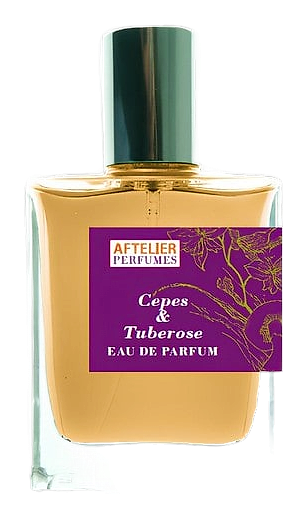
Mandy Aftel has spent decades proving that natural perfumery isn't about safe choices, it's about honest ones. Cepes and Tuberose emerged from that conviction. The name says everything: wild mushrooms (cèpes) and tuberose, two materials that shouldn't work together on paper. One belongs to the damp, dark underside of the forest. The other is tropical, heady, almost overwhelming in its white floral intensity. The pairing feels counterintuitive at first sniff, the forest and the greenhouse occupying the same space. But as the scent develops on skin, the apparent contradiction resolves into something coherent. The cèpes brings an almost meaty depth, a rich earthiness that smells of damp soil and decaying leaves.
Here, the cèpes absolute isn't hiding. It's the point. The cep (Boletus edulis) brings a specific kind of umami, that savory depth you recognize from mushrooms in butter, from the forest after rain. Combined with benzoin's sticky warmth and the tuberose's animalic undertones, this becomes an earthy fragrance that doesn't apologize for what it is. The rose adds a whisper of sweetness that keeps the composition from becoming too austere. The rosewood brightens briefly before cèpes arrives, offering a fleeting citrusy sparkle that makes the earthy notes land all the more powerfully.
The evolution
Brazilian rosewood arrives first, a brief flash of aromatic wood, slightly sweet, then gone. Within minutes, the cèpes takes over. Wet earth. Mushroom. That distinctive porcini richness that smells like the forest floor after rain, not like the grocery store aisle. On some skins, reviewers have noted a buttery quality, the butyric note that emerges as the mushroom oxidizes, almost caramel-sweet. It's unsettling if you weren't expecting it, and addictive if you were. The heart settles into Moroccan rose and tuberose, but this isn't a clean floral heart. The rose carries an earthy shadow. The tuberose leans animal, lush but not sweet. The benzoin appears in the drydown, bringing sticky amber warmth that holds everything close to the skin for the remaining hours. What lingers isn't a single note. It's the sense of something living, damp, warm, and present. A fragrance that behaves more like a memory than a product.
Cultural impact
Cepes and Tuberose occupies unusual territory, earthy without being a nature walk, floral without being pretty. It belongs to a lineage of Aftelier fragrances that challenge rather than comfort. The fragrance has found its people among those who want their scent to do something, to say something, to refuse the safe territory of 'pleasant.' The response has been divided, some find the buttery note in the drydown revelatory, others find it too strange for regular wear. That division is, in itself, a kind of success. A fragrance that leaves no one indifferent. What makes this scent particularly notable is how it refuses easy categorization.