
The Story
Why it exists.
The beginning
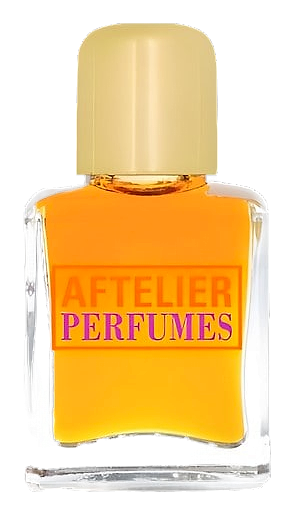
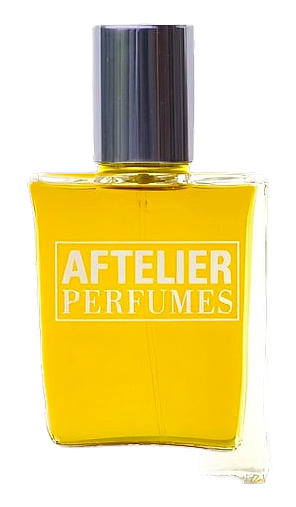
Sepia was created during the "Letters to A Fellow Perfumer" series on Nathan Branch's blog in 2012. Mandy Aftel wanted to capture something specific: the desolate beauty of California's Gold Country ghost towns. The ruins. The patina. What remains after time has done its work. She wasn't interested in the pristine boomtowns of the gold rush, she was drawn to the quiet dignity of what they became. Sepia translates that feeling into scent: atmosphere as memory, a lingering sense of what once was. The fragrance captures the quiet weight of abandoned places, their faded grandeur still holding traces of former life. It's about what persists after the rush has faded, the gentle persistence of something that once mattered deeply, like the last ember of a fire long after the flames have gone.
The approach required restraint. Cocoa, coffee, strawberry, oud, tobacco, indole, any of these would announce themselves in a louder composition. But they are tightly balanced here, already settled into each other like ingredients that have aged together. Yellow mandarin, a rare and intensely floral citrus, merges with blood cedarwood from the heart of the tree. The result isn't a list of ingredients, it's the sense of weathered beauty in a place left behind. That's what makes Sepia unusual: it achieves complexity without excess, depth through a certain quietness that rewards close attention.
The evolution
The citrus opens sharp, mandarin and pink grapefruit with a cedar backbone. Then the transition: jasmine and pink lotus lift the strawberry and cocoa into something softer. The coffee appears as warmth without weight, not roasted-barista coffee but the suggestion of it. This middle phase lingers as the florals and gourmand notes coexist in proximity. The drydown belongs to the animalic notes: ambergris rising, indole whispering, oud and tobacco lingering close to the skin for the final act. The sillage stays soft and sheer, almost ghostly, a presence felt more than announced. Sepia is for attentive wearers, not for filling a room.
Cultural impact
Sepia occupies a distinctive corner of niche perfumery. Aftelier's philosophy centers on natural extracts, positioning them as fundamentally different from synthetic alternatives. For wearers who treat fragrance as a personal language rather than a public statement, Sepia offers something uncommon: restraint that still communicates. It's not for those who want to be noticed. It's for those who want to notice.