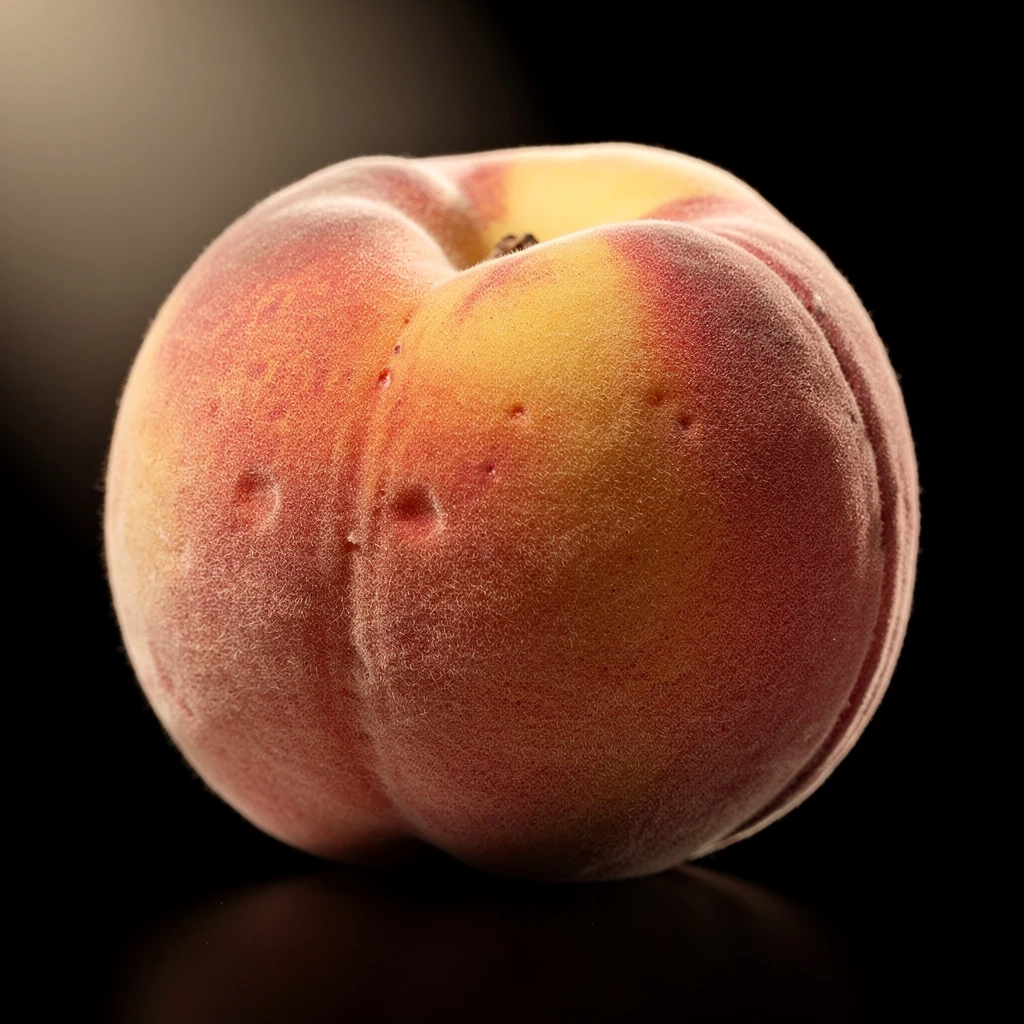
Big Strawberry
A vivid synthetic accord that captures the sun-ripened sweetness of fresh strawberries. Bright, jammy, and unmistakably fruity, it brings a playful, juicy burst to perfumery, lending fruity-floral and gourmand compositions a youthful, mouth-watering lift.
Character
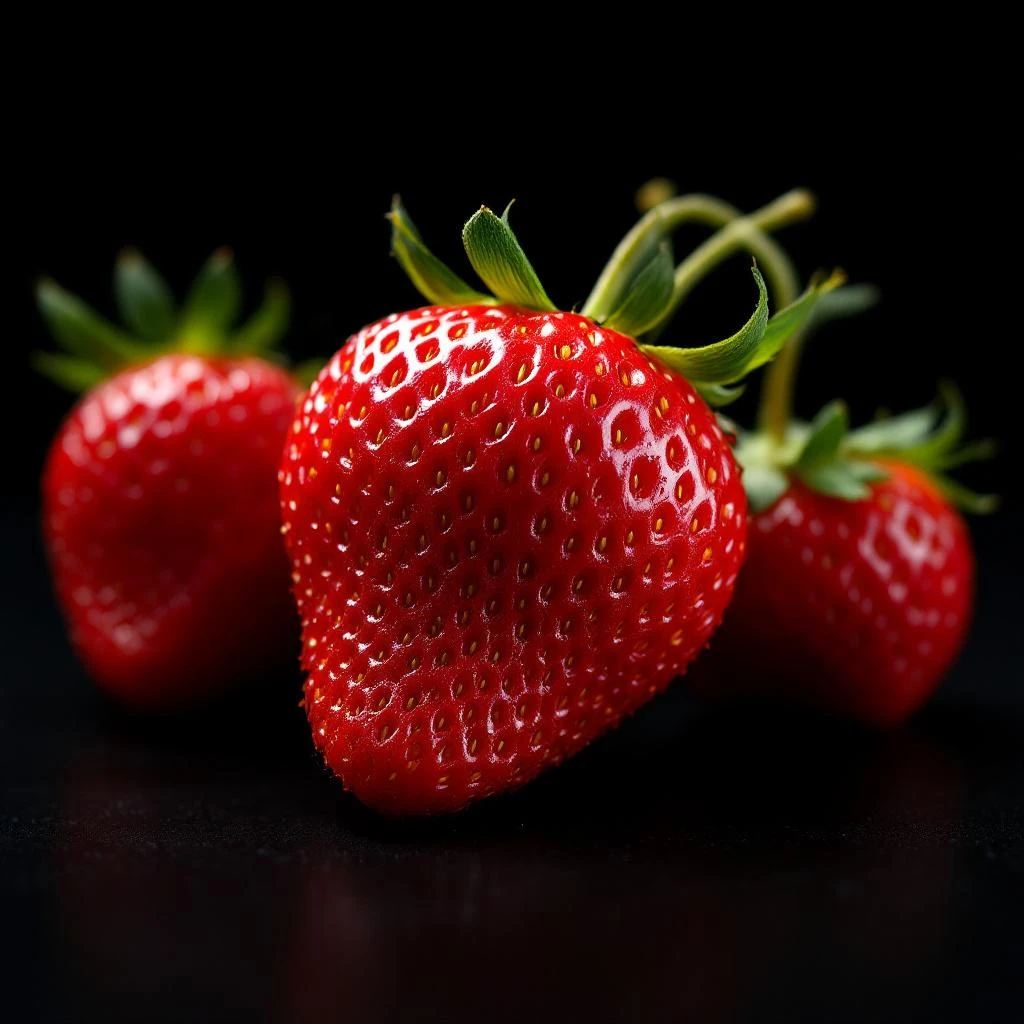
How it smells
The scent of a sun-warmed strawberry, bottled.
Ancient Romans used wild strawberries in cosmetics and medicinal preparations over 2,000 years ago.








Origin
France
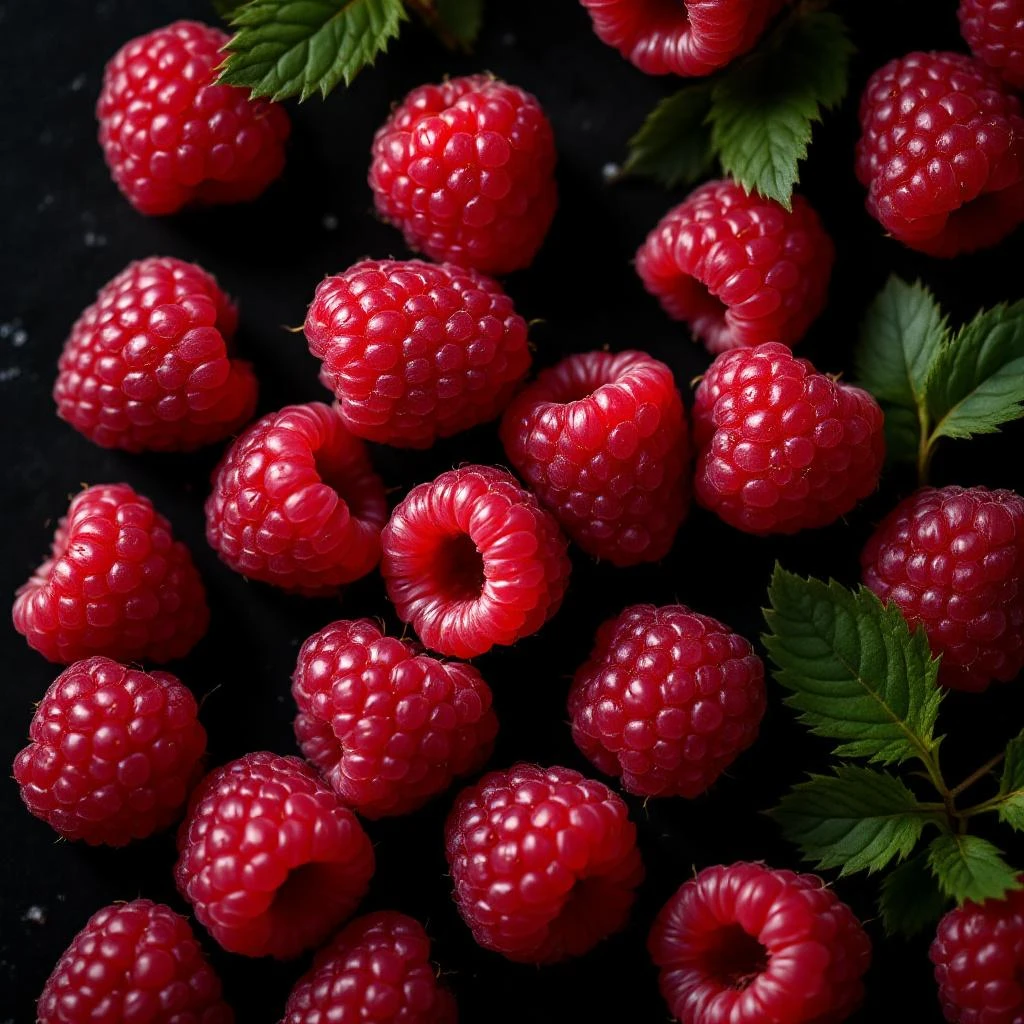
Strawberries have been gathered and prized since antiquity. Ancient Roman texts document their use in cosmetics, medicinal preparations, and perfumery—the fruit was appreciated not only for its taste but for its fragrance, particularly when incorporated into beauty preparations. However, these were wild strawberries or "wood strawberries" (Fragaria vesca), smaller and more aromatic than the large cultivars we know today.
Formal cultivation of strawberries did not begin until the Renaissance period. Before then, humans relied entirely on wild foraged specimens. The garden strawberry we recognize today, Fragaria × ananassa, emerged in 18th-century France from hybridization of North American and Chilean wild species—a relatively recent development in the fruit's long history with humans.
Despite centuries of interest in strawberry's fragrance, perfumers could not use natural extracts. The synthetic recreation of strawberry's scent became possible only with the isolation of key molecules like furaneol in the late 19th and early 20th centuries, as organic chemistry advanced. Today, "Big Strawberry" is a standard accord in the perfumer's palette, used to inject sweetness, youth, and gourmand character into compositions ranging from fresh florals to rich Orientals.
Wears it best
Fragrances featuring Big Strawberry
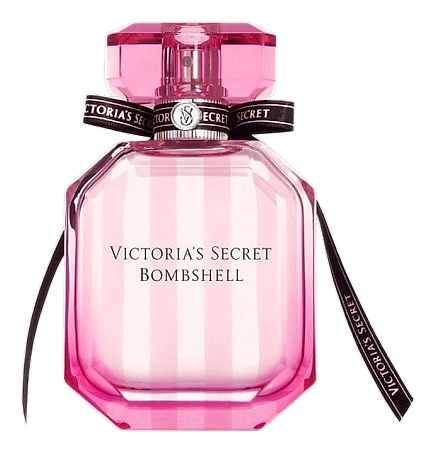
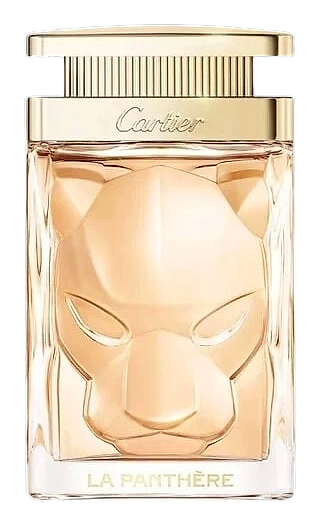
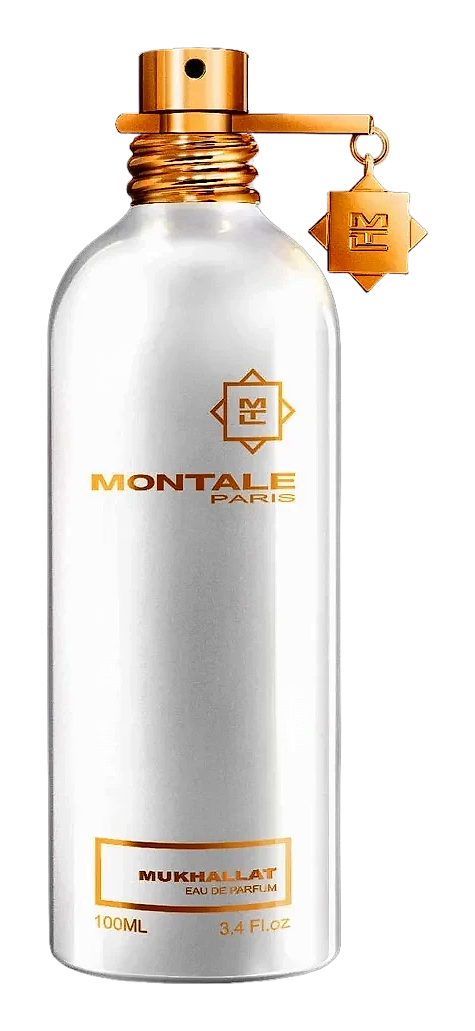

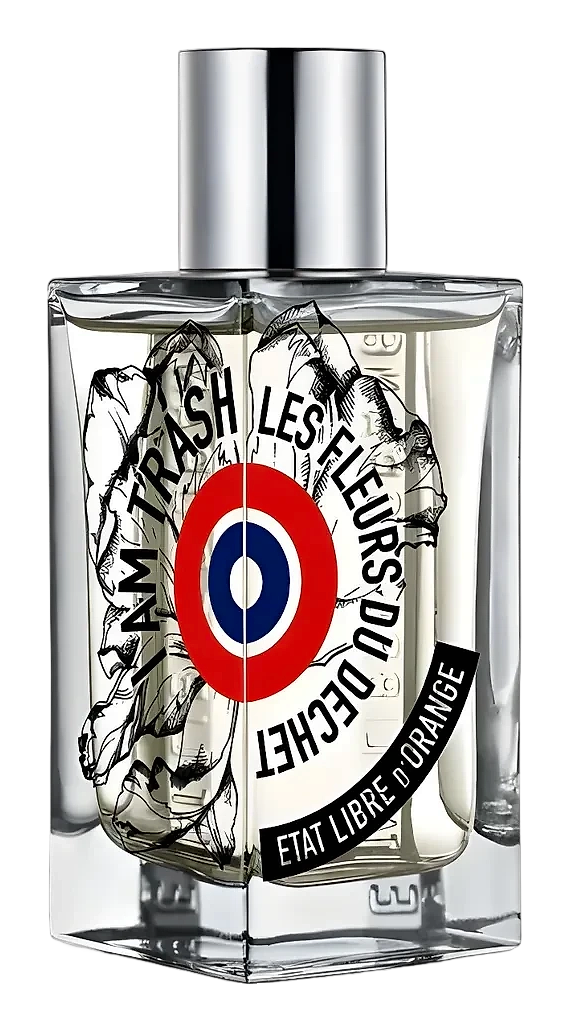
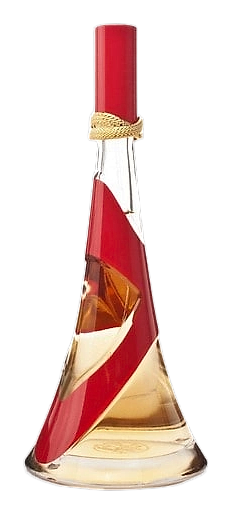
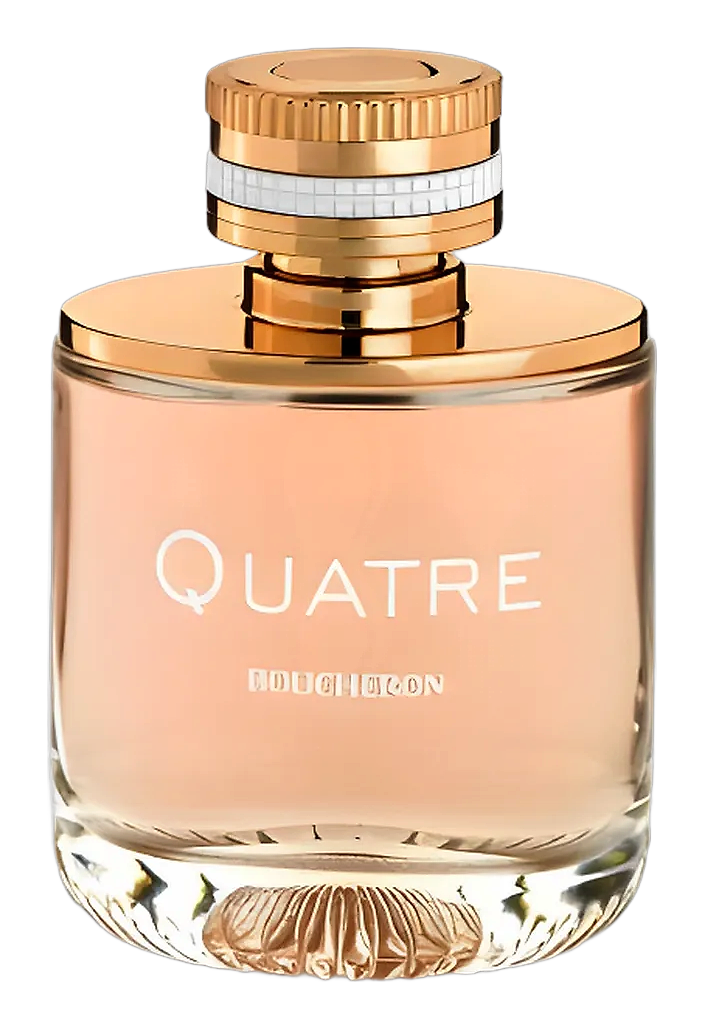
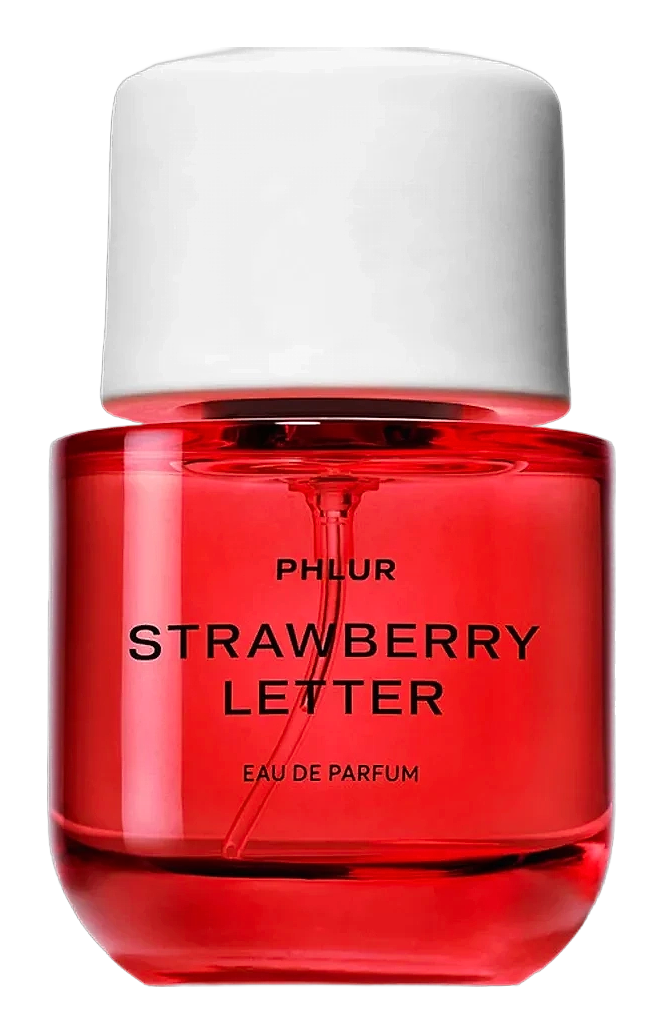
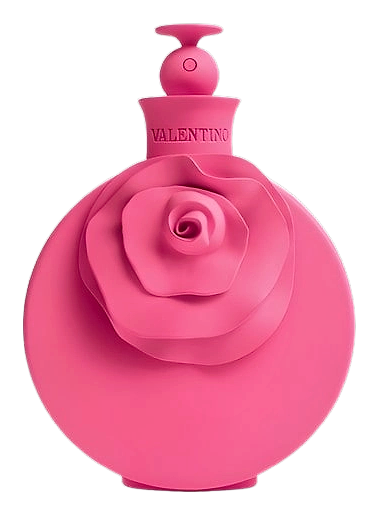
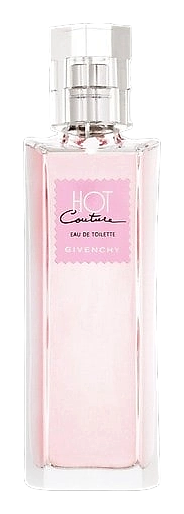
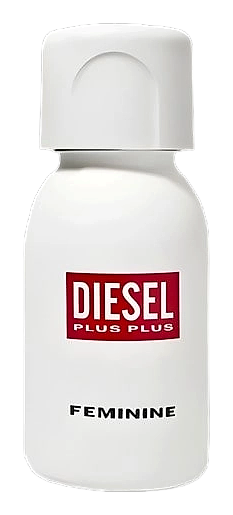
Brands
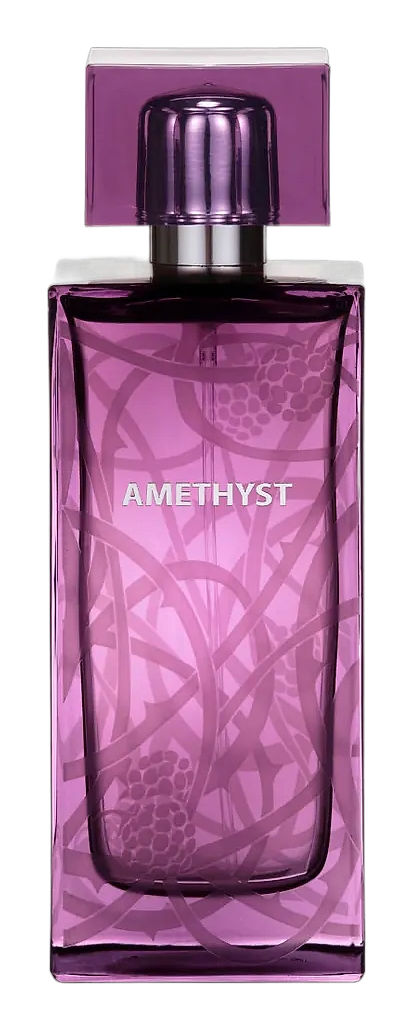
Brands known for Big Strawberry
Good to know
Questions, answered
The essentials on Big Strawberry in perfumery: how it smells, where it comes from, and how it behaves on skin.
What is "Big Strawberry" in perfumery?
Big Strawberry is a synthetic fragrance accord that reproduces the scent of fresh strawberries for use in perfume composition. Perfumers create it by combining specific molecules that together capture strawberry's characteristic sweet, fruity, slightly floral aroma.
Is strawberry scent natural or synthetic in fragrances?
Strawberry scent in perfumery is synthetic. Fresh fruits like strawberries do not yield their characteristic odors when extracted, so perfumers recreate the scent using isolated molecules and chemical combinations that approximate the fruit's aromatic profile.
What does Big Strawberry smell like?
Big Strawberry smells like bright, ripe strawberries with a sweet, jammy character and subtle floral undertones. The accord balances the fruit's sugary sweetness with a slightly tart, green quality reminiscent of the fruit's stem and leaves.
How does Big Strawberry differ from smelling a real strawberry?
Big Strawberry is a concentrated aromatic impression, not an extract. While it captures strawberry's key scent qualities—sweetness, fruitiness, and floral nuance—it lacks the actual fruit's texture and the aromatic complexity that emerges when you bite into a fresh strawberry.
What note family does Big Strawberry belong to?
Big Strawberry falls under fruity and gourmand fragrance families. It typically appears as a heart or fondent note in perfumes, adding sweetness and youthful energy to compositions ranging from fresh florals to Oriental fragrances.
When did strawberry first appear in perfumery?
Strawberry's use in perfumery dates to Roman antiquity, where wild strawberries were incorporated into cosmetics and medicinal preparations. However, synthetic strawberry accord became standard only in the 20th century as organic chemistry advanced.
What molecules create strawberry's characteristic scent?
The primary aroma compound in strawberry is furaneol, which provides the sweet, caramel-like note. Perfumers combine furaneol with supporting molecules like mesifuran and various esters to build a complete strawberry accord that mirrors the fruit's natural scent profile.
Can natural strawberry be extracted for perfumery?
No. Natural strawberry extraction is not viable for perfumery because the fruit's aromatic compounds are too volatile or unstable for traditional extraction methods. Synthetic recreation is the only practical approach to achieve an authentic strawberry scent in fragrance.