The Story
Why it exists.
The beginning
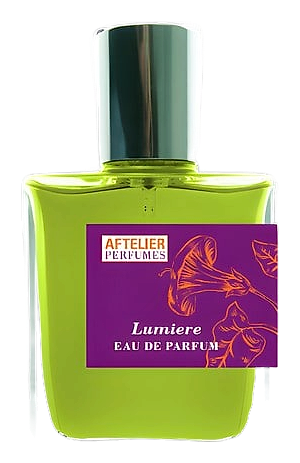
Mandy Aftel designed Lumiere in 2009 as a meditation on transparency, a fragrance that opens bright and gradually becomes something interior. The name means light, and what makes it luminous is its restraint. Bergamot lends the opening its sparkle, but the real work happens in the base: green tea absolute and sacred frankincense. These are materials with weight, with history. Together they create a quiet foundation that doesn't compete with the florals above it, it supports them. Boronia from Tasmania anchors the heart alongside honeysuckle and magnolia. Each ingredient chosen for what it contributes, not what it masks.
Boronia is the ingredient that sets Lumiere apart. The Tasmanian bloom is notoriously fleeting, the absolute is rare, expensive, and notoriously hard to work with. Too much and it turns cloying; too little and it disappears. Aftel found the balance. The boronia opens with a heady, almost intoxicating sweetness, then the green tea arrives like a corrective, cool, green, almost medicinal. The interplay between the two is what makes the heart interesting. It's not a floral that smells like a floral. It's a floral that smells like a conversation between two materials that shouldn't work together but do. That's where Aftel's nose lives: in the tension.
The evolution
Lumiere opens bright. Bergamot and phenyl ethyl acetate create a spark at the top, clean, almost sparkling. Within twenty minutes the florals arrive: honeysuckle first, then magnolia, then boronia. The boronia is the tell. On some skin it reads as intoxicating and sweet; on others it's quieter, more restrained. Either way, it's the moment the fragrance becomes itself. The green tea and frankincense emerge slowly, around the forty-minute mark, pulling the composition downward into something more meditative. By the second hour, you're wearing green tea and ambergris, a warm, animalic whisper that stays close to the skin. The drydown lasts another two to three hours on most people. Intimate. The kind of fragrance someone leaning in would notice.
Cultural impact
Since its 2009 debut, Lumiere has quietly accumulated a following among those who seek something outside the mainstream. Its green tea and frankincense base predates the current enthusiasm for tea-note fragrances. Its use of boronia absolute represents an unusual botanical choice, one that natural-focused houses are more likely to attempt than commercial ones. The fragrance occupies a particular corner of niche perfumery: not the loud, statement-making kind, but the kind made by people who care more about materials than marketing. It's the kind of fragrance someone discovers after they've grown tired of what everyone else is wearing and want something that feels personal.