Benzyl Acetate
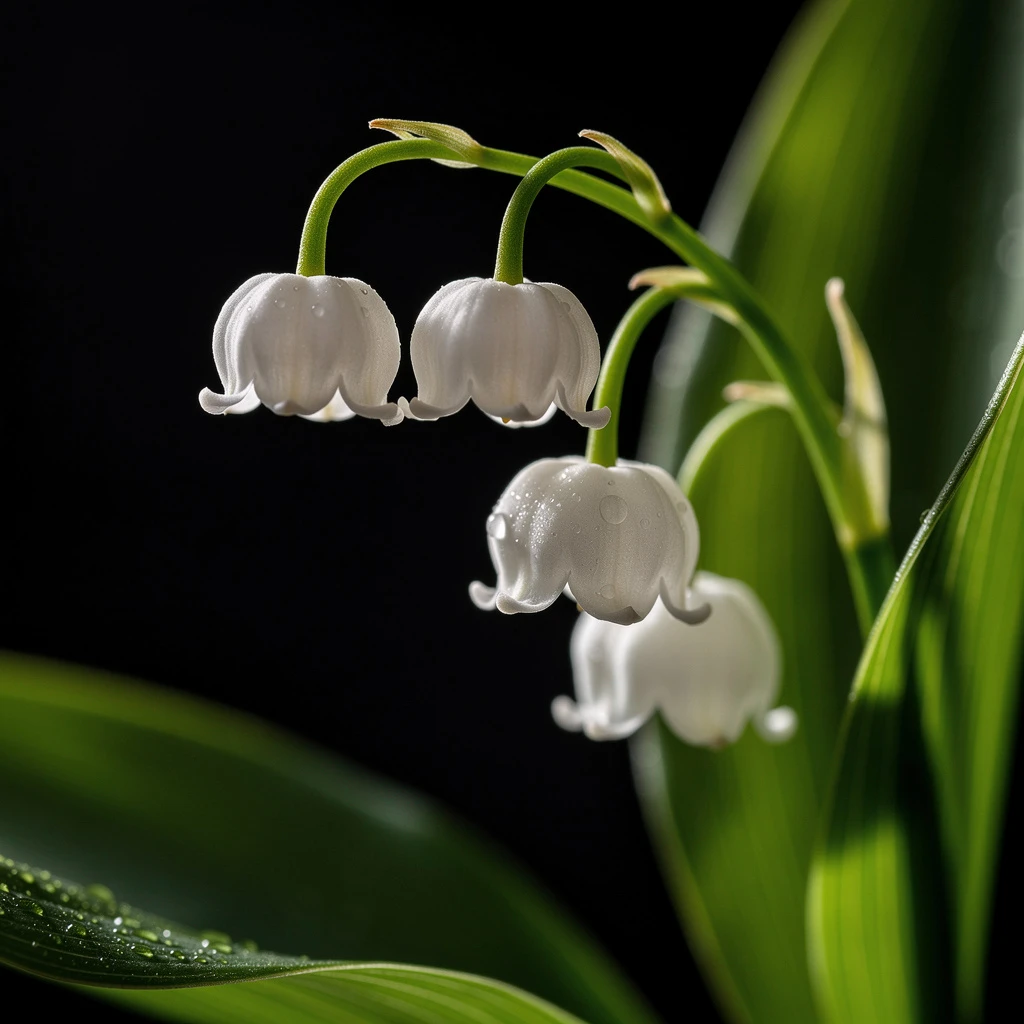
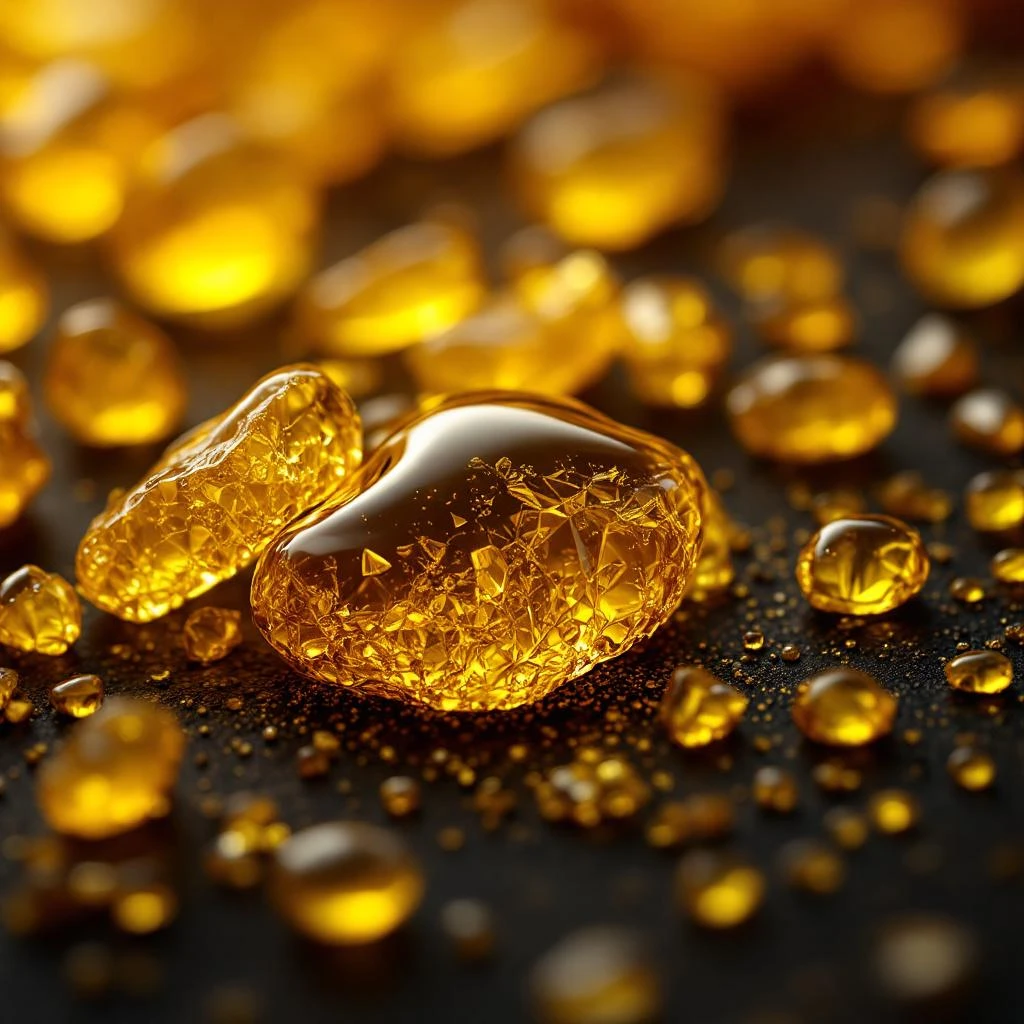
Benzyl acetate is the aromatic ester that gives jasmine its sensual, sweet floral signature. Widely found in nature and essential to modern perfumery, it bridges the gap between natural botanicals and synthetic innovation.
Character
How it smells
The ester that defines jasmine's sweet, heady soul.
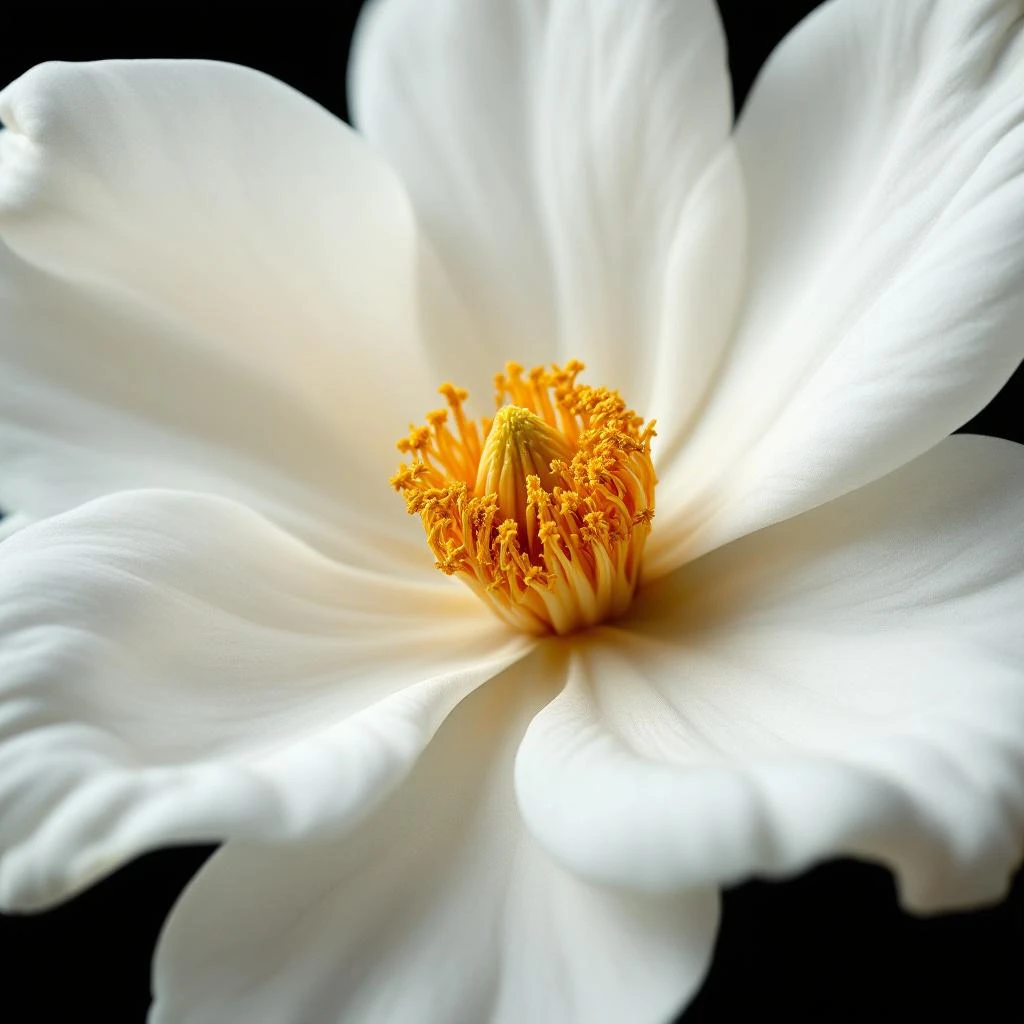
Though often produced synthetically today, benzyl acetate was first isolated from jasmine blossoms in the 1850s and remains the compound most responsible for jasmine's unmistakable sweet note.

Origin
India
Benzyl acetate emerged from the systematic exploration of ester chemistry in 1850s Paris, where perfume houses began experimenting with the aromatic compounds found in floral absolutes. No single chemist claims discovery credit; instead, the compound revealed itself through the gradual mapping of what flowers contained and how those compounds behaved.
By the early 20th century, industrial chemical production made benzyl acetate widely available, transforming jasmine fragrance from a rare luxury into an accessible note. The compound's availability changed perfumery economics fundamentally, allowing jasmine's characteristic sweet-floral warmth to appear in mass-market products without requiring expensive natural absolutes.
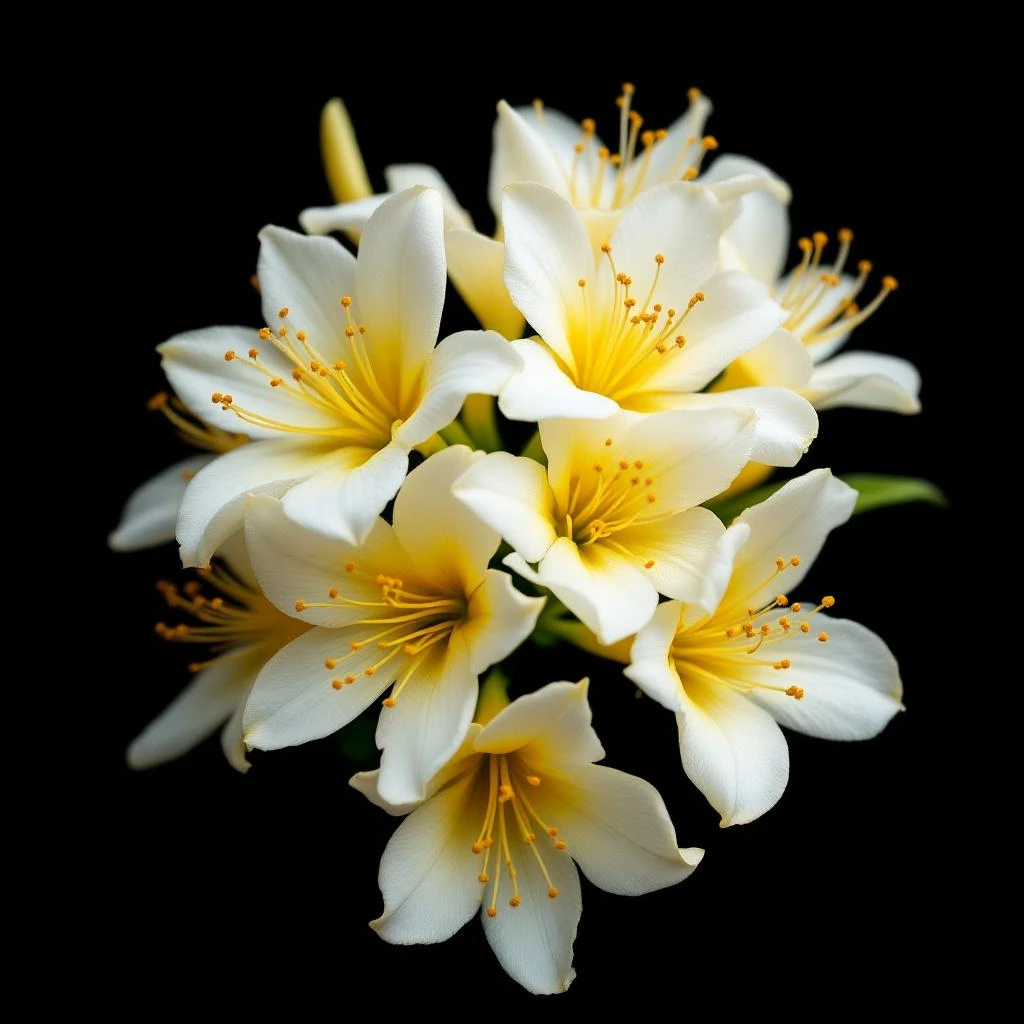
Gardens and farms in southern India and Egypt now supply much of the jasmine crop destined for natural extraction, while synthetic production centers in China and Europe handle the majority of commercial demand. The compound remains one of the most versatile and widely used materials in contemporary perfumery, appearing across mass-market and niche segments alike.
Wears it best
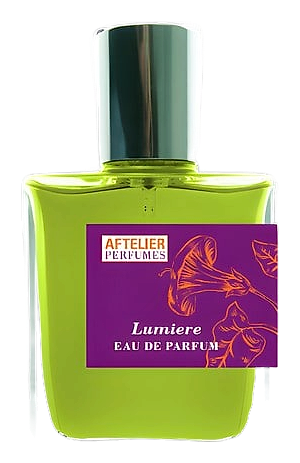
Fragrances featuring Benzyl Acetate
Brands
Brands known for Benzyl Acetate
Good to know
Questions, answered
The essentials on Benzyl Acetate in perfumery: how it smells, where it comes from, and how it behaves on skin.
What does benzyl acetate smell like?
Benzyl acetate presents as sweet, floral, and distinctly jasmine-like with a mild fruity undertone resembling banana or pear. It is mild in intensity, making it an excellent blender that rounds harsh edges without overpowering other notes. Most jasmine fragrances owe their recognizable character to this single compound.
When was benzyl acetate discovered?
Benzyl acetate was first documented in 1855 during the expansion of ester chemistry in 19th-century France. The discovery did not belong to one chemist; it emerged from systematic research into the aromatic composition of jasmine flowers and other botanicals.
Is benzyl acetate found in nature or made synthetically?
Both. Benzyl acetate occurs naturally in jasmine flowers, ylang-ylang, gardenia, and over 30 other botanicals. Industrial production relies primarily on synthetic esterification of benzyl alcohol with acetic acid, which achieves consistent purity at commercial scale.
What perfumes feature benzyl acetate as a key ingredient?
Benzyl acetate appears in virtually all jasmine-forward fragrances, from iconic compositions like Chanel No. 5 to modern designers. It serves as a core structural element in floral, white floral, and oriental fragrance families, particularly those built around jasmine, tuberose, or gardenia.
Is benzyl acetate safe for skin application?
Regulatory bodies including IFRA and RIFM have evaluated benzyl acetate and approved it for cosmetic and perfumery use at standard concentrations. It ranks among the safest fragrance materials, with no restrictions on usage levels for most product categories.
Why is benzyl acetate important in perfumery?
Benzyl acetate is one of the most extensively used fragrance materials globally. It provides the sweet, heady floral character that defines jasmine, allowing perfumers to create that characteristic effect reliably and affordably across product lines.
Does benzyl acetate occur in any foods naturally?
Yes. Beyond flowers, benzyl acetate appears naturally in ripe bananas, guava, and several other fruits. It contributes to the sweet aroma of tropical fruits and is approved as a food flavoring agent by major regulatory authorities worldwide.
What is the difference between natural and synthetic benzyl acetate?
Natural benzyl acetate, extracted from jasmine or other flowers, carries a more complex aromatic profile with trace botanical nuances. Synthetic benzyl acetate offers consistent, pure character and remains the primary source for commercial perfumery, valued for reliability and cost efficiency.
In the same family