Phenyl Ethyl Acetate
Phenyl ethyl acetate captures the honeyed warmth of rose petals in a concentrated ester form. This synthetic aromatic bridges floral elegance with fruity sweetness, creating a versatile building block found across fine fragrances and flavor compositions alike.

Character
How it smells
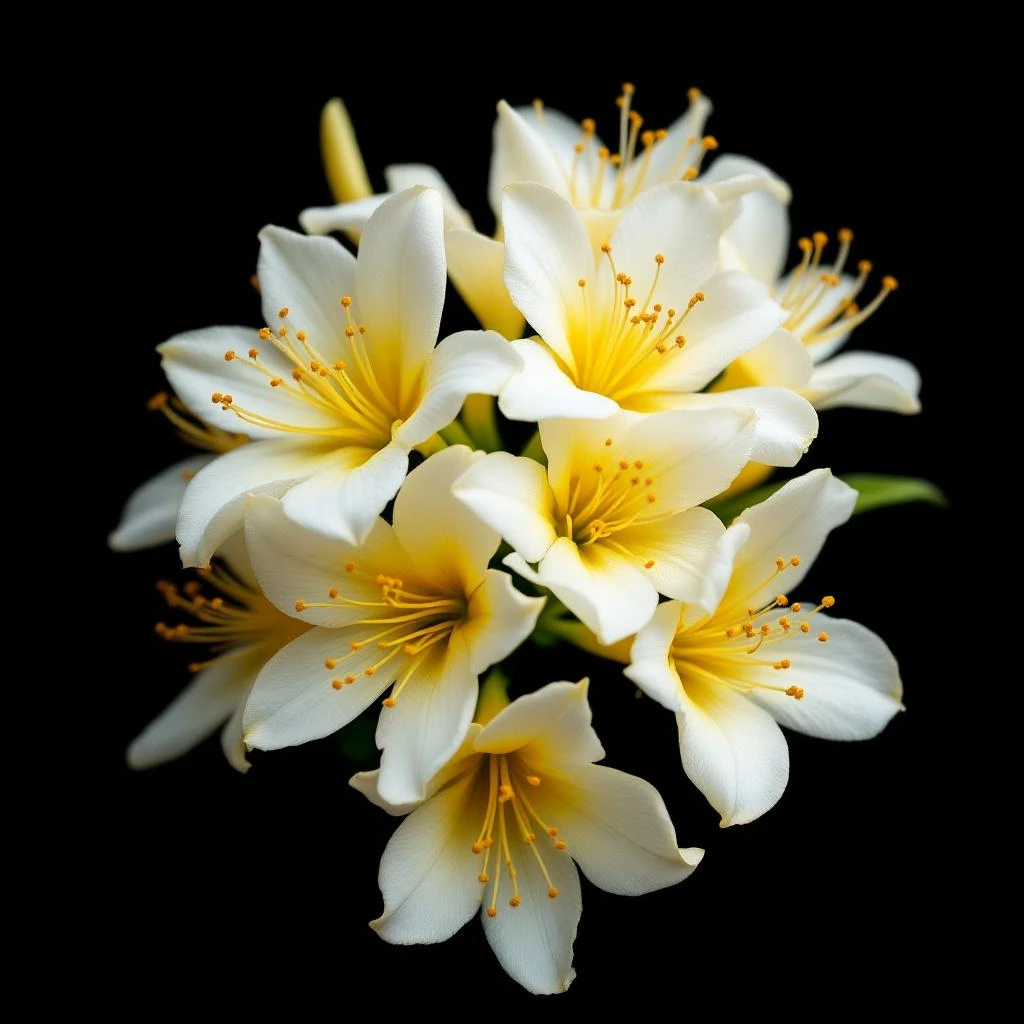
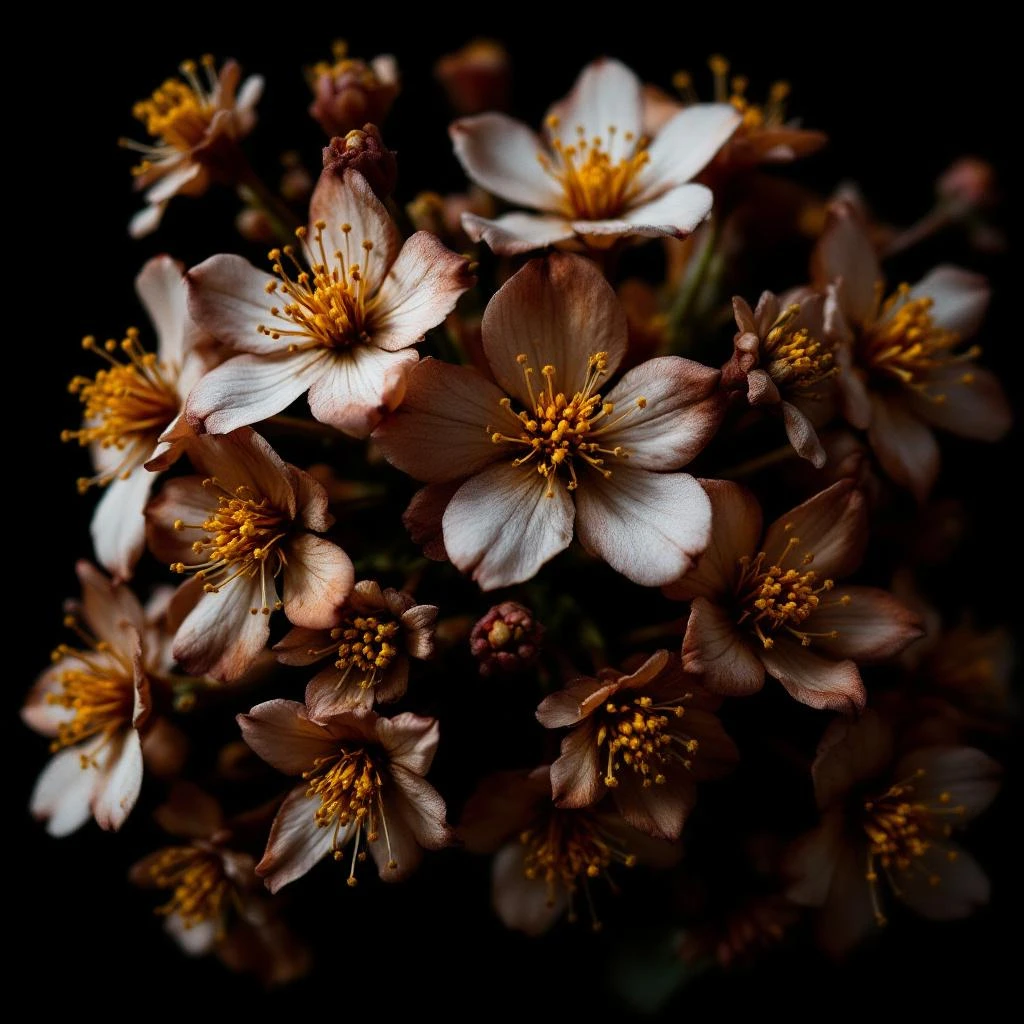
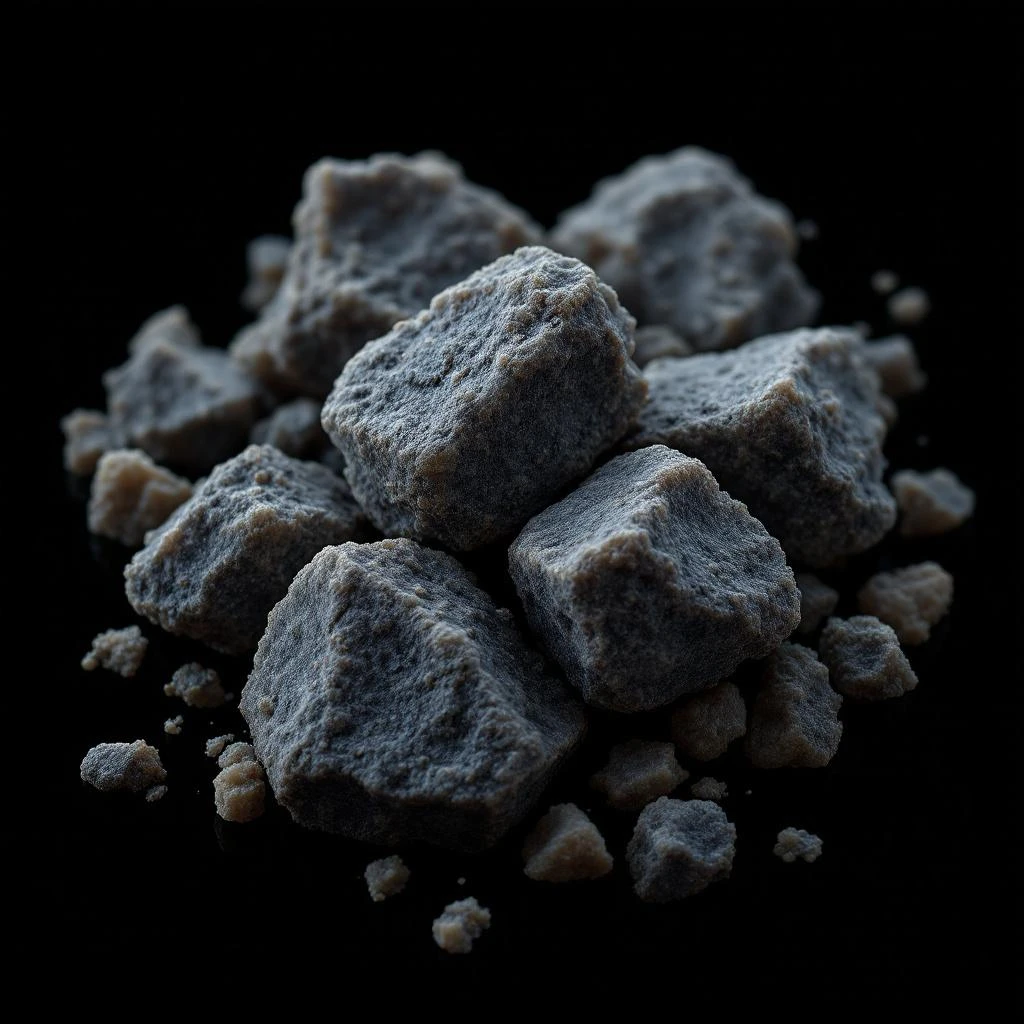
The honeyed heart of rose, bottled.
Rose absolute contains up to 60% phenyl ethyl acetate, making it one of the most abundant floral esters found in nature.


Origin
Germany
The emergence of phenyl ethyl acetate traces to the broader development of synthetic aroma chemicals during the late 19th century. As fragrance chemists learned to isolate and replicate natural compounds, phenylethyl alcohol derivatives gained attention for their ability to extend rose impressions at commercial scale.
By the 1920s, perfumers routinely incorporated this ester into floral compositions, valuing its honeyed character that resisted fading in complex bases. The material arrived during a period when European laboratories were systematically mapping the chemistry of natural essences, contributing to what became modern perfumery materials science.
Wears it best
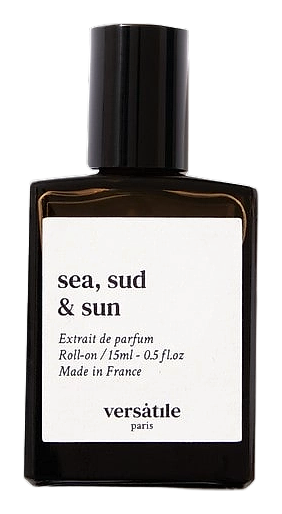
Fragrances featuring Phenyl Ethyl Acetate
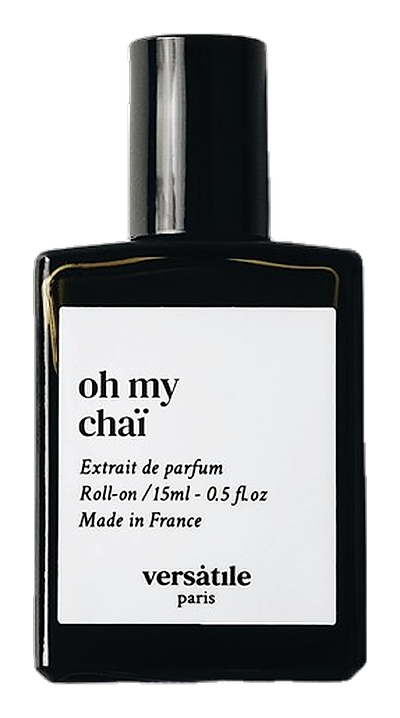
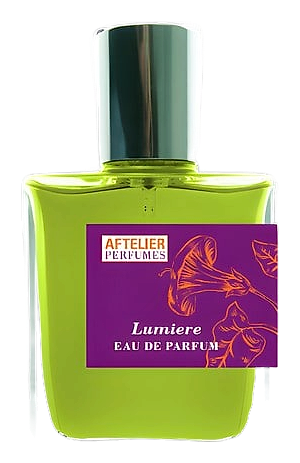
Brands
Brands known for Phenyl Ethyl Acetate
Good to know
Questions, answered
The essentials on Phenyl Ethyl Acetate in perfumery: how it smells, where it comes from, and how it behaves on skin.
What does phenyl ethyl acetate smell like?
It smells like warm rose petals with distinct honey and ripe banana notes. The ester delivers a softer, fruitier expression of phenylethyl alcohol, making it ideal for rounding floral heart notes.
Is phenyl ethyl acetate found naturally?
Yes. It occurs naturally in rose absolute, jasmine, and passion fruit. Concentrations in rose absolute can reach up to 60%, making it one of the dominant aroma compounds in natural rose extracts.
How do manufacturers create this material?
Producers synthesize it through esterification, reacting phenylethyl alcohol with acetic acid in the presence of an acid catalyst. The process replicates the same chemical pathway plants use to generate this compound.
What product categories use this ingredient?
Fine fragrances, personal care products, and food flavorings all incorporate phenyl ethyl acetate. Its dual-use approval in flavors and fragrances reflects its clean safety profile and pleasant sensory characteristics.
How does it differ from phenyl ethyl alcohol?
Phenyl ethyl acetate carries more fruit character and greater volatility than its parent alcohol. Where phenyl ethyl alcohol reads as pure rose water, the acetate version adds honeyed sweetness and banana-like top notes.
Is this ingredient safe for cosmetic use?
Regulatory bodies including IFRA and FDA approve phenyl ethyl acetate for use in both cosmetics and food. At typical concentrations (below 5% in fragrance compounds), it presents no sensitization concerns.
What fragrances showcase this material prominently?
Classic rose compositions and modern fruity florals feature it most often. It works particularly well in conjunction with linalool, geraniol, and other rose-family compounds to build multi-dimensional floral effects.
Can this material replace natural rose absolute?
No single ingredient replicates the full complexity of natural rose absolute. However, phenyl ethyl acetate forms the largest single component in rose extracts, making it essential for realistic synthetic rose reconstruction.





