Stemone
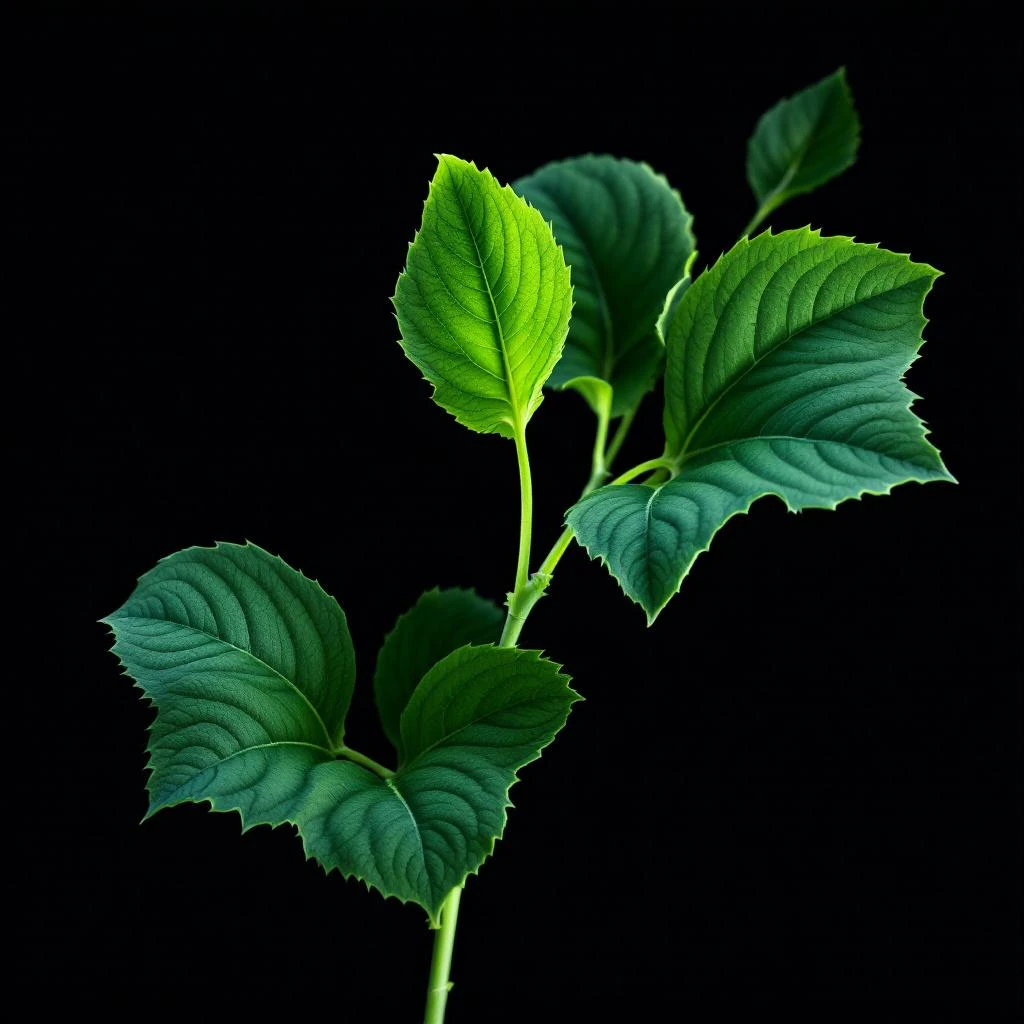
Stemone delivers a crisp, green fig‑leaf aroma in a single synthetic molecule, offering perfumers a reliable, year‑round green facet that mimics fresh foliage without the constraints of natural extraction.
Character
How it smells
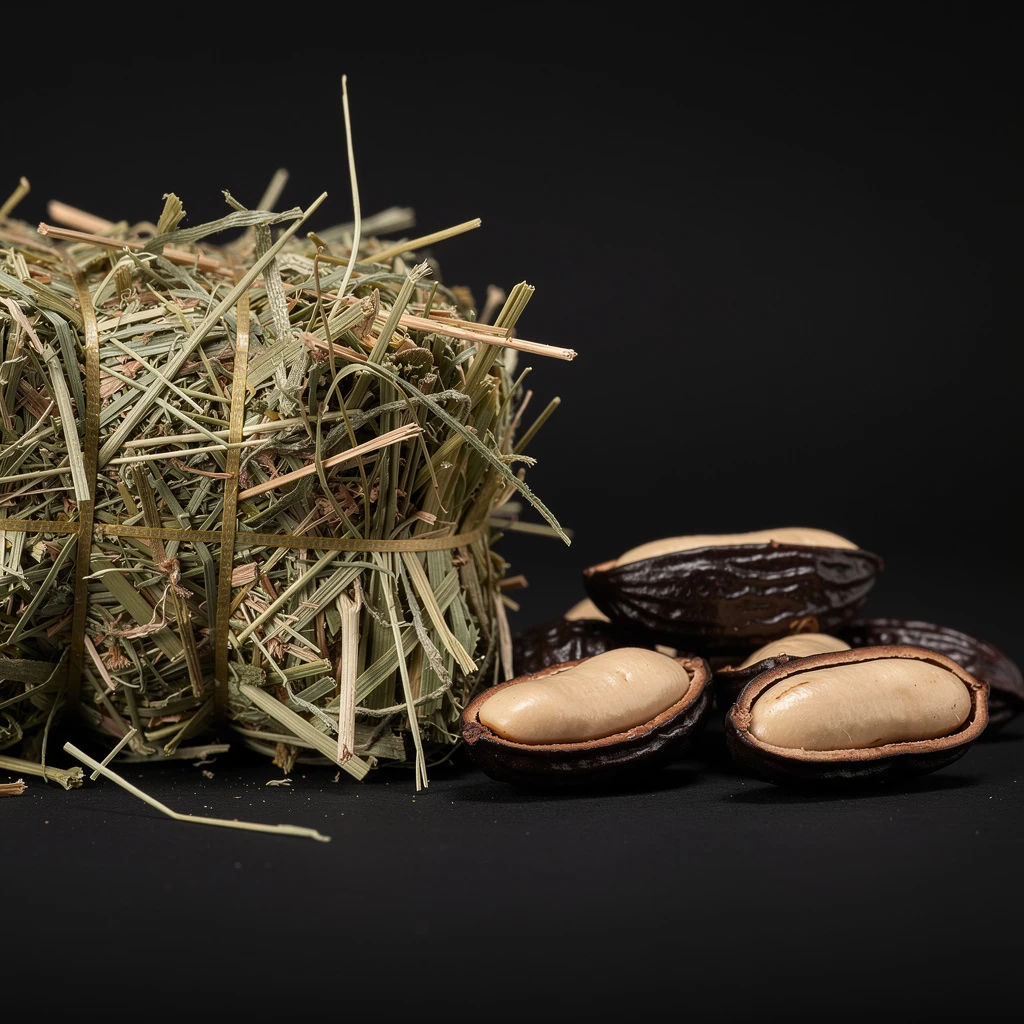
Synthetic fig leaf freshness, captured perfectly.
Stemone’s CAS number 22457‑23‑4 was assigned in 2000, the same year Givaudan filed its patent, making it one of the first modern synthetics designed specifically for green leaf accords.




Origin
Switzerland
Green notes have fascinated perfumers since antiquity, when ancient Greeks and Romans burned fig leaves as incense to evoke vitality. Natural fig leaf extracts, however, suffered from low yield and rapid oxidation, limiting their use in early formulations.
In the late 20th century, the perfume industry sought a stable alternative that could deliver the same fresh foliage character without relying on harvest cycles. Givaudan responded by developing Stemone, a synthetic molecule that reproduces the bright, leafy scent of young fig leaves.
Launched in 2000, Stemone filled a gap in modern perfumery, enabling creators to build complex green accords that remain true over time. Since its introduction, the ingredient has appeared in a wide range of fragrances, from crisp citrus‑herb blends to contemporary fougère compositions, cementing its role as a cornerstone of the green note family.
Wears it best
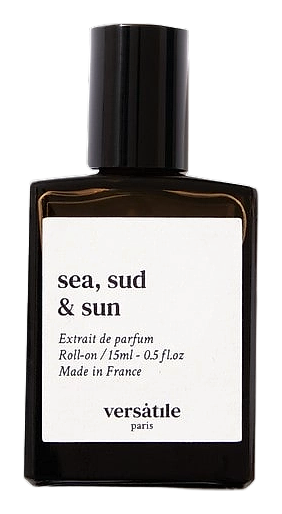
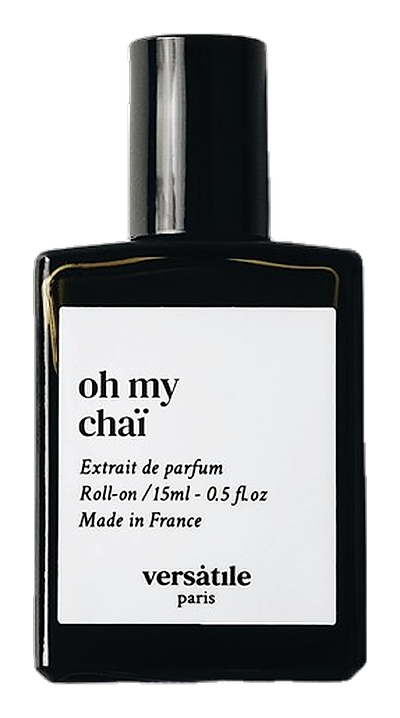
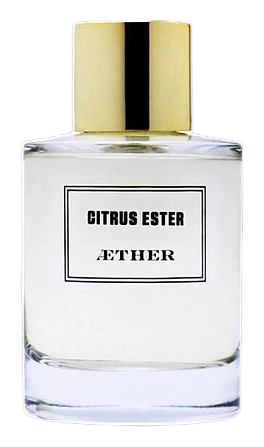
Fragrances featuring Stemone
Brands
Brands known for Stemone
Good to know
Questions, answered
The essentials on Stemone in perfumery: how it smells, where it comes from, and how it behaves on skin.
What is Stemone?
Stemone is a synthetic aroma chemical that reproduces the fresh green note of fig leaves. It was patented by Givaudan in 2000 and carries CAS 22457‑23‑4, providing perfumers a consistent green facet without seasonal variation.
How does Stemone smell?
Stemone emits a crisp, leafy aroma reminiscent of young fig foliage. The scent registers as bright green with a subtle vegetal sweetness, similar to freshly cut leaves in early spring. It registers a peak intensity at 2 µg/L in gas‑chromatography analysis.
Is Stemone natural?
Stemone is not extracted from plants; it is created through laboratory synthesis. The process avoids the variability of natural fig leaf extracts, delivering the same aroma profile batch after batch. Its synthetic origin meets EU REACH registration.
What safety assessments exist for Stemone?
Stemone has passed OECD safety testing and holds a favorable toxicology profile. In 2015, Givaudan submitted a full safety dossier confirming skin irritation below 0.5 % in standard patch tests. Regulators classify it as low risk for consumer use.
Which fragrance families commonly use Stemone?
Stemone appears in fresh, green, and aromatic fragrance families. It supports compositions such as citrus‑herb blends, modern fougère, and unisex aquatic scents. Its versatility stems from its ability to lift top notes without overpowering.
How stable is Stemone in finished products?
Stemone remains stable under typical perfume storage conditions for up to three years. Accelerated aging tests at 40 °C for six months showed less than 5 % degradation, ensuring longevity in bottled products. Its molecular structure resists oxidation, making it reliable in both alcohol and oil bases.
Does Stemone have a CAS number?
Stemone is registered under CAS 22457‑23‑4. This identifier appears in material safety data sheets and regulatory filings worldwide. The number ensures traceability across supply chains. Manufacturers reference it when complying with international chemical inventories such as ECHA and TSCA.
When was Stemone introduced to the market?
Stemone entered the market in 2000 as part of Givaudan’s green note portfolio. Its launch responded to perfumers’ demand for a reliable fig leaf scent that did not rely on seasonal harvests. Since then, it has featured in over 150 commercial fragrances.