Geraniol
Geraniol is a monoterpenoid alcohol with a sweet, rosy aroma found in rose, palmarosa, and citronella. One of perfumery's most versatile floral ingredients, it has shaped rose accords for over 150 years since its first isolation in 1871.
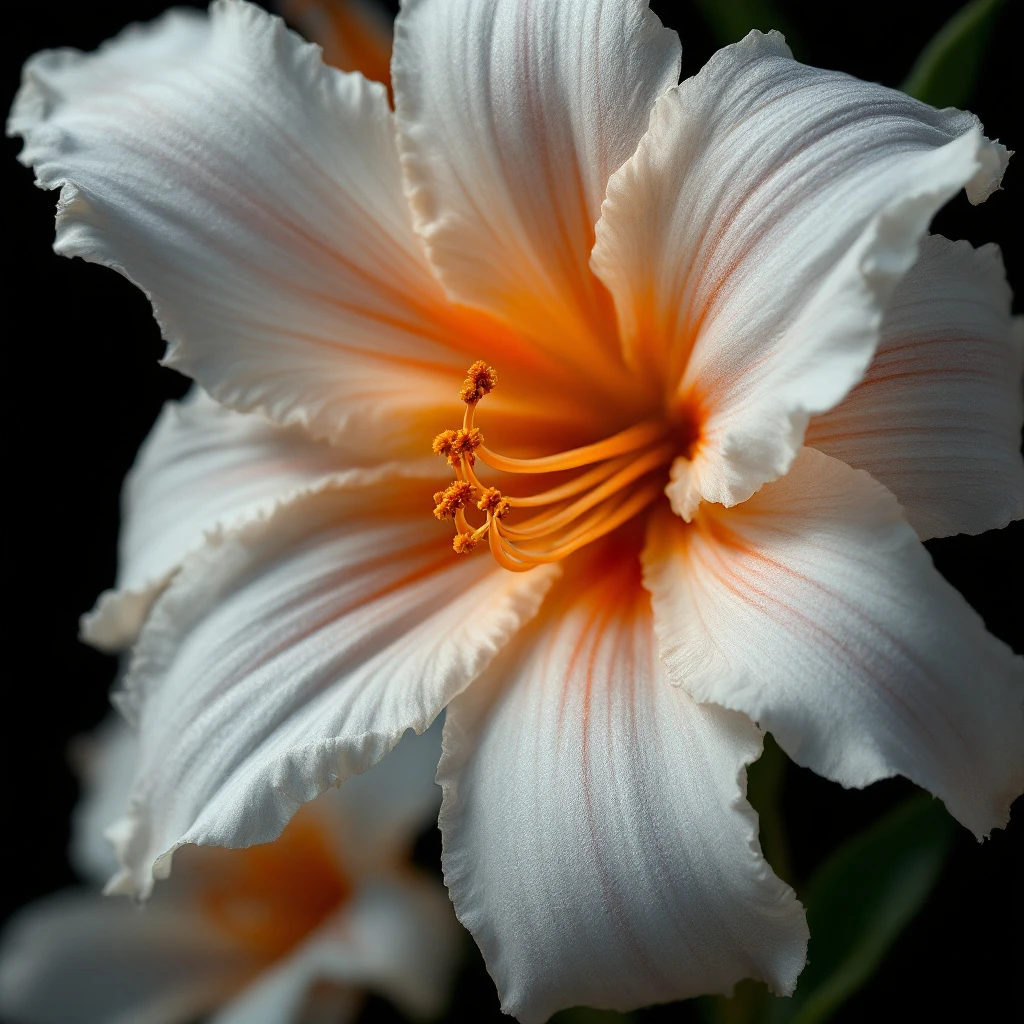
Character
How it smells
Nature's original rose note, isolated and perfected.
Honeybees secrete geraniol to mark flowers they have visited, essentially creating a perfumed trail that guides other bees back to the same nectar source.


Origin
India
The chemist O. Jacobsen first isolated geraniol in 1871, a discovery that fundamentally altered the trajectory of the fragrance industry. Before this point, rose and rose-like scents depended on whole essential oils and natural extracts.
Jacobsen's isolation meant manufacturers could now access a concentrated rose note in pure form, enabling more precise formulation and cost-effective production. Rose oil and rose water distillation date back thousands of years across Persia and the Middle East, yet geraniol's identification unlocked that iconic scent for modern-scale commercial fragrance creation. Its chemical similarity to nerol, also from rose oil, and to citronellol, which shares the same floral family, established geraniol as a cornerstone of the rose family of ingredients.
Its development over the past 150 years has mirrored the persistent demand for rose fragrances across every category of perfumery.
Wears it best
Fragrances featuring Geraniol
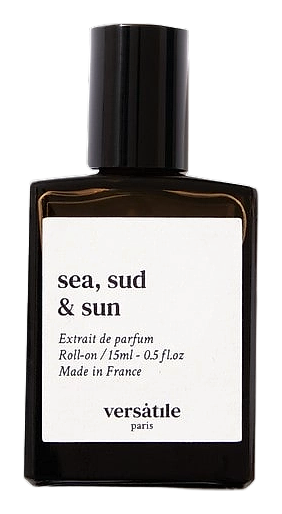
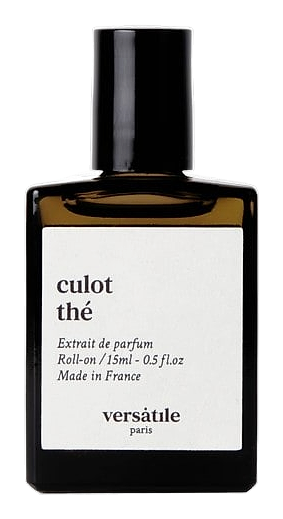
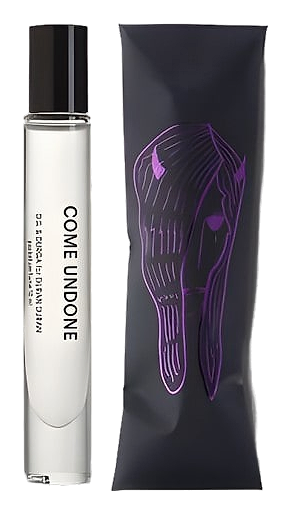
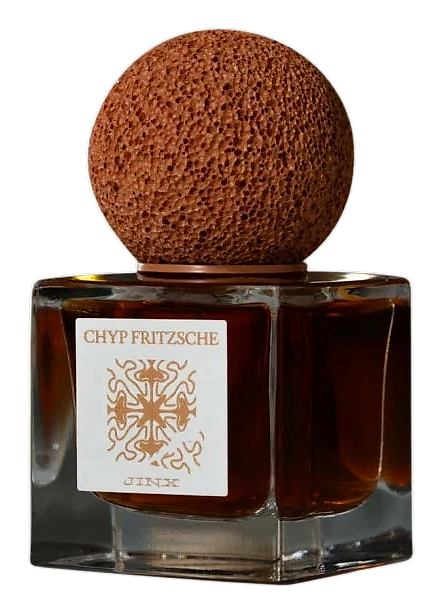
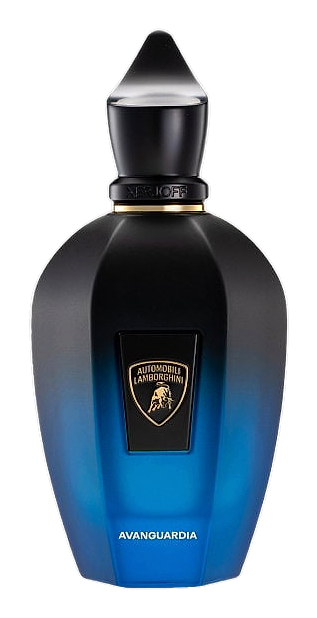
Brands
Brands known for Geraniol
Good to know
Questions, answered
The essentials on Geraniol in perfumery: how it smells, where it comes from, and how it behaves on skin.
What is geraniol in perfumery?
Geraniol is a monoterpenoid alcohol with a sweet, rosy aroma. It functions as a primary floral ingredient, lending warm rose and geranium character to fragrances across all perfume families. The International Fragrance Association approves geraniol for cosmetic use.
What natural sources contain geraniol?
Geraniol occurs across more than 200 plant species. Palmarosa oil contains the highest concentration at 70 to 80 percent. Citronella, geranium Bourbon from Madagascar, and rose oil also provide substantial quantities for commercial extraction.
When was geraniol first isolated?
O. Jacobsen first isolated geraniol in 1871. This discovery came during a period of rapid advancement in organic chemistry when researchers began systematically identifying and cataloguing the individual compounds that make up essential oils.
How is geraniol extracted commercially?
Steam distillation of palmarosa or citronella grass produces a crude essential oil. This oil then undergoes fractional distillation to isolate the geraniol fraction based on its boiling point of approximately 230 degrees Celsius.
How does geraniol behave in fragrance formulations?
Geraniol acts as a versatile floral component that blends well with most fragrance families. It adds warmth to rose and geranium bases while providing lift and sweetness to citrus and green top notes. The ingredient serves both as a primary fragrance material and a modifier.
How is geraniol different from nerol and citronellol?
Geraniol, nerol, and citronellol are structurally similar monoterpenoid alcohols that all contribute rose-like scents. Geraniol has a sweeter, more rounded profile. Nerol carries a sharper, more citrus-like quality. Citronellol is slightly more citrus and green. Perfumers often combine all three in rose accords.
What role does geraniol play in nature?
Geraniol serves as a pheromone in honeybee communication. Bees secrete it from their Nasanov gland to mark newly discovered food sources and guide other members of the colony to flowers. The compound also appears in plant defense mechanisms against herbivores and pathogens.
Can geraniol be produced synthetically?
Geraniol is primarily sourced from natural essential oils due to cost and sustainability. Synthetic production via chemical synthesis exists but remains less common commercially. Natural isolates from palmarosa and citronella dominate the market for fragrance-grade material.