The Story
Why it exists.
The beginning
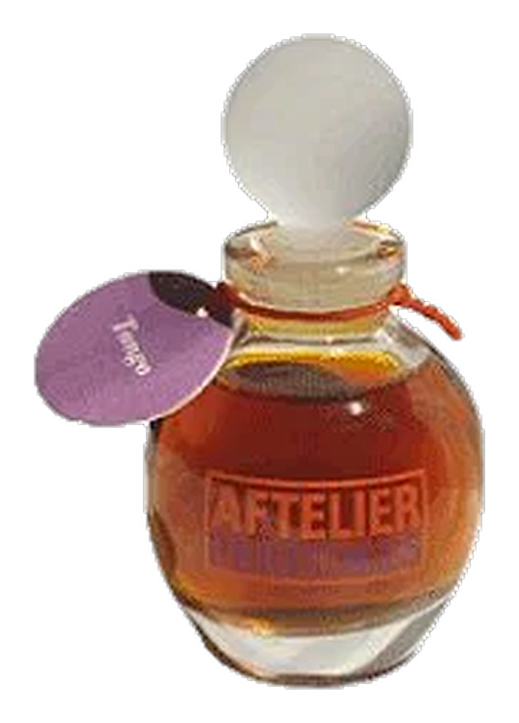
Mandy Aftel founded Aftelier Perfumes in Berkeley in 2000 with a commitment to natural materials and transparent labeling. Her philosophy centers on single-note storytelling, allowing each ingredient to speak with clarity. Tango, released in 2006, exemplifies this approach by building from distinctive individual elements rather than obscuring them. The fragrance demonstrates Aftel's willingness to work with unconventional materials, finding harmony between bright citrus and resinous smoke.
The pairing of champa flower and coffee in the heart represents a deliberate choice to ground exotic florals in something approachable. Coffee adds bitterness that prevents the champa from becoming overwhelming, while the flower elevates the coffee beyond mere caffeine metaphor. The drydown's trio of tobacco, tonka and frankincense provides the smoky, resinous depth that Aftelier is known for, connecting Tango to the brand's broader exploration of natural materials that tell stories of place and process.
The evolution
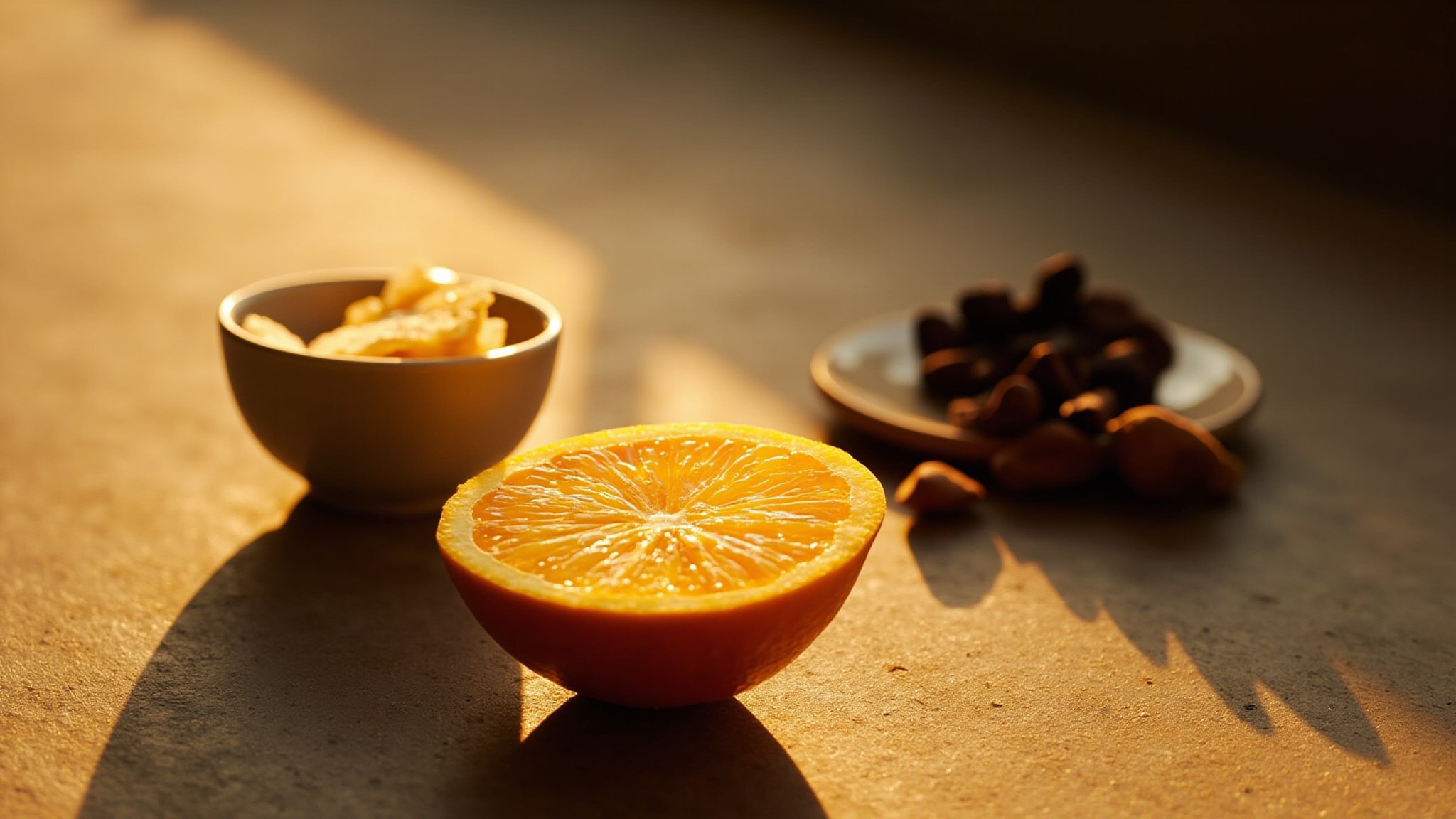
The opening of Tango commands attention through orange and ginger, a pairing that balances tart brightness with spicy warmth. As time passes, the champa flower blooms, bringing its exotic, slightly animalic character alongside roasted coffee. The progression feels intentional, each phase arriving in sequence rather than blending into confusion. By the time tobacco, tonka bean and frankincense arrive, the fragrance has traveled from sunlit energy to smoky contemplation, creating a complete arc that rewards those who experience it over hours rather than minutes.
Cultural impact
Tango’s daring choya nakh core has sparked conversation among natural‑perfume enthusiasts, often cited as a modern reinterpretation of traditional Indian attars and praised for its bold, smoky personality that stands out in the niche market. Its influence extends to emerging perfumers who now experiment with similar smoky‑spicy accords, and it has been referenced in several academic discussions on the revival of natural ingredients, cementing its role as a cultural touchstone in contemporary fragrance art.