
The Story
Why it exists.
The beginning
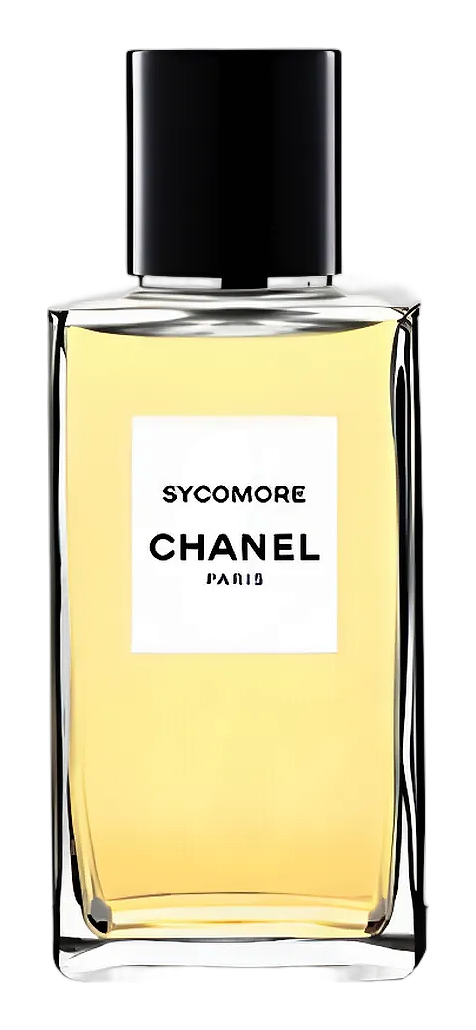
Sycomore landed in 2008 as part of Les Exclusifs de Chanel, Jacques Polge's vehicle for vetiver as a singular statement. Not a supporting note. Not a base. The whole composition. The name refers to the sycamore, that broad, ancient tree with roots that run deep and a canopy that shelters. There's a stillness to it. Polge took that idea and translated it into smoke and earth and wood: the olfactory equivalent of standing under a tree at dusk.
What makes this vetiver work is its context. Aldehydes lift it, they give it that Chanel clarity, the quality that separates a composition from a concoction. The tobacco doesn't overpower; it deepens. The sandalwood rounds what could have been angular into something that wears close and stays long. This is vetiver without apology, without excess. Just the note, elevated.
The evolution
It opens clean. A flash of pink pepper, then the vetiver settles in, dry, slightly smoky, with a mineral edge that reads like the air before rain. The cypress arrives within the hour, woody and austere, and suddenly the fragrance has depth. The tobacco adds warmth without sweetness. This is the middle ground: aromatic, earthy, confident. By hour three, the sandalwood emerges, creamy and quiet beneath the smoke. The drydown is what stays. Intimate sillage, resinous warmth, the ghost of the morning after. On fabric, it lingers for days.
Cultural impact
Sycomore occupies a particular corner of the Chanel lineup: the one for people who know what they want. It's not the house's most famous vetiver fragrance, but among enthusiasts, it holds a quiet cult status. Those who love it tend to own it in multiples. The smoky, austere character appeals to a sensibility that prizes depth over dazzle, the same wearer who reaches for Sycomore probably also wears CdG Avignon or L'Artisan Safran Troublant. It's a fragrance for people who wear fragrance for themselves.