The Story
Why it exists.
The beginning
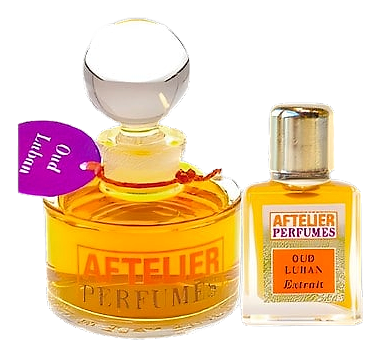
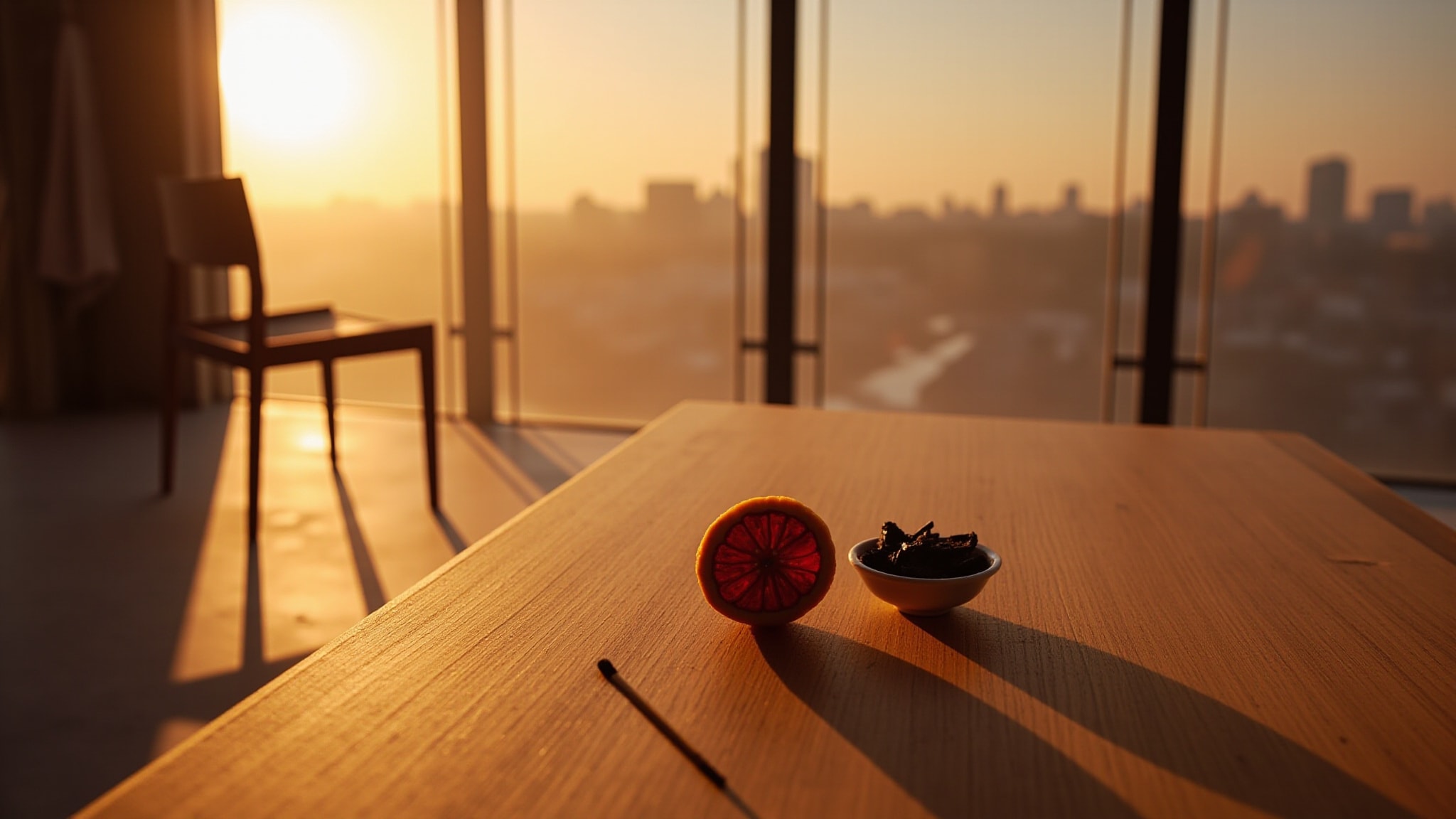
Mandy Aftel designed Oud Luban with a clear idea: scent as narrative, not decoration. The fragrance takes its name from luban, the Arabic word for frankincense, one of the oldest aromatic resins in the world. But this isn't a meditation on tradition. It's Aftelier doing what the house does best, stripping a composition to its essential tension and letting that tension do the work. The brief was simple on paper: take a dark oud and don't smooth it. Let the contrast speak. Blood orange and hojari frankincense provide the brightness; agarwood provides the shadow. No middle ground. No reconciliation. The name honors the frankincense, but the scent is built around what happens when two opposites refuse to meet halfway.
The base materials don't soften the landing, they deepen it. Opoponax adds a faint sweet, hay-like note beneath the smoke. Benzoin brings warmth without warmth. Patchouli roots everything in dark earth. These aren't fillers. They're amplifiers of the contrast. Aftelier's refusal to use a bridging note isn't an oversight, it's the point. The jump-cut from citrus to oud is the whole statement. Some noses find it jarring. The brand called it highs and lows. That framing tells you exactly how to wear it: as a decision, not a default.
The evolution
The citrus doesn't announce itself, it floods. Blood orange and terpenic frankincense fill the space in the first minutes, bright and almost aggressive in their clarity. Hojari frankincense from Oman brings that crushed-pine freshness, lemony and green on the fingers. Then comes the switch. The oud doesn't creep in gradually, it arrives. Dark. Smoky. Leathery in its resinous depth. Over the next hour, the citrus recedes but doesn't disappear. It leaves a wake of warmth behind, the benzoin's honeyed sweetness, the opoponax lingering at the edges of the smoke. The drydown belongs entirely to the oud. Smoky and resinous, with patchouli keeping everything grounded. This is where the fragrance earns its name and its reputation. The whole arc takes six to eight hours on most skin. The citrus opens for thirty minutes to an hour; the smoky oud carries the rest. On fabric, the brightness fades within thirty minutes, but the dark base persists into the next day. What you're left with is the essential conversation: light, then shadow. And nothing in between.
Cultural impact
The jump-cut from bright citrus to dark smoky oud is either the whole point or too much, depending on who you ask. That polarizing quality defines Oud Luban within Aftelier's catalogue and among oud fragrances generally. It's the kind of composition that sparks conversation, not because it's loud, but because it refuses to be easy.