Hinoki
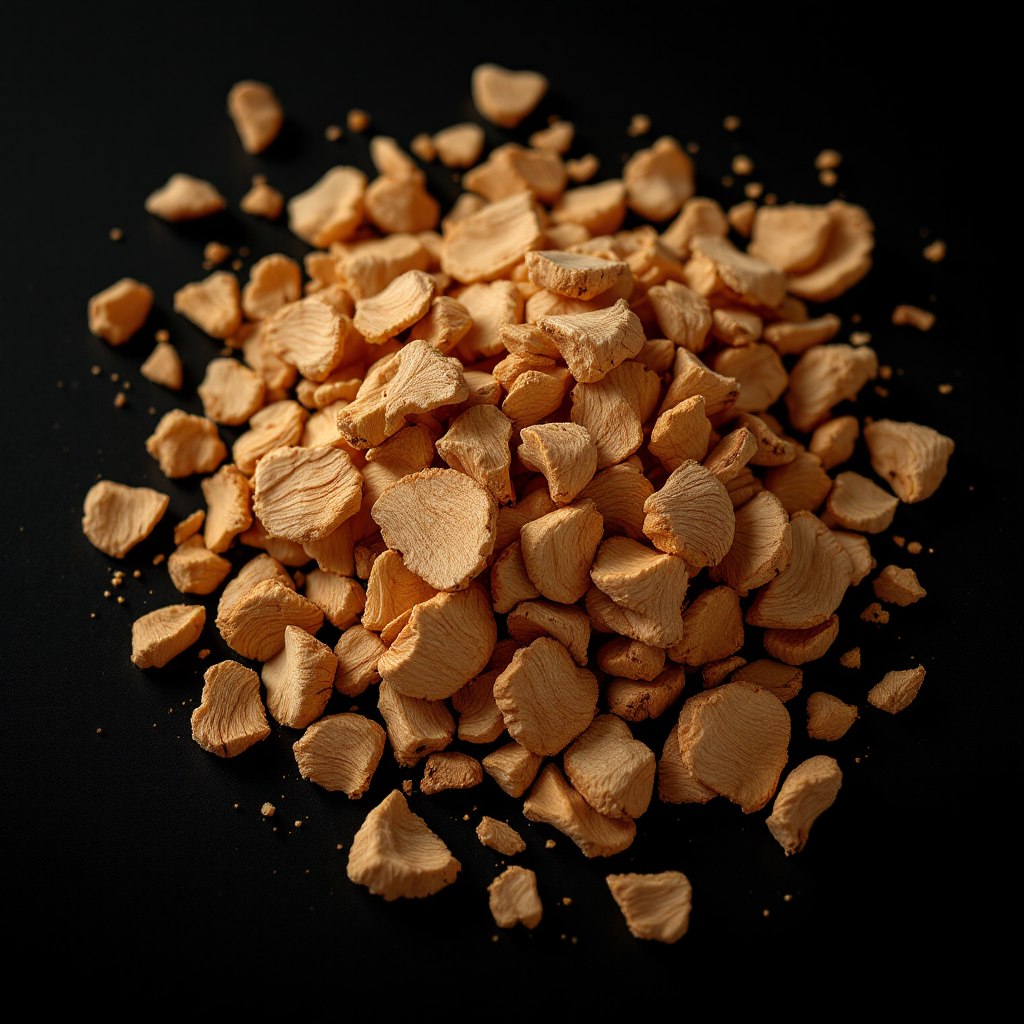
Hinoki oil captures the quiet warmth of Japanese cypress forests. Distilled from Chamaecyparis obtusa, it brings a smooth, lemony-woody character to modern perfumery, evoking temple woodwork and freshly milled timber.
Character
How it smells
Japanese cypress, distilled into serenity
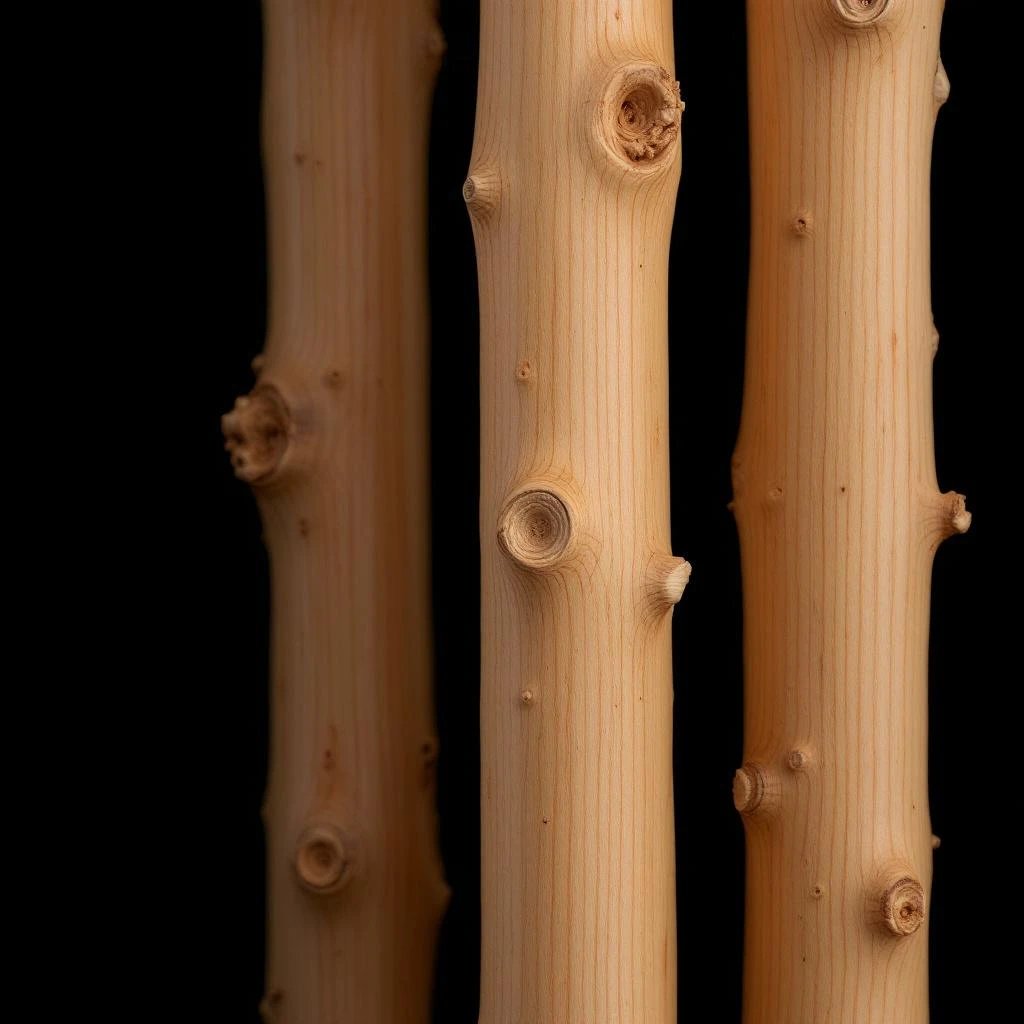
Hinoki wood has been used to build Shinto shrines and Buddhist temples for over a thousand years because the tree's natural oils resist decay and insect damage.








Origin
Japan
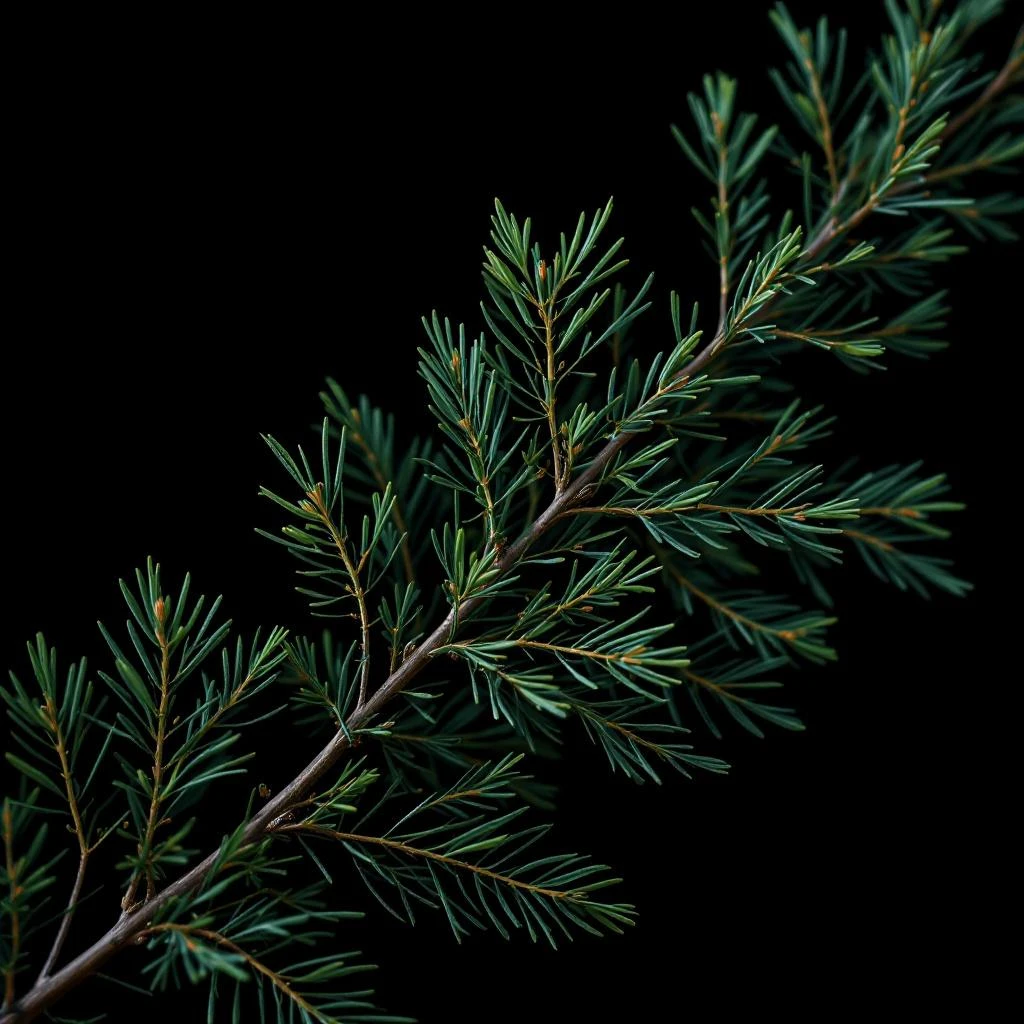
Hinoki holds a place in Japanese material culture that predates its use in fragrance by centuries. The Chamaecyparis obtusa tree was central to religious and imperial architecture, with the Ise Grand Shrine rebuilt every twenty years using freshly cut hinoki timber, a Shinto practice that has continued for over a millennium. The wood's pale color, straight grain, and natural resistance to rot made it ideal for temples, baths, and ceremonial vessels.
The aromatic properties of hinoki were eventually captured through steam distillation, a technique Japanese artisans refined centuries ago. By the Edo period, hinoki sawdust and shavings were burned as incense, and the wood itself was valued for its calming scent in bathhouses and tea rooms. Its introduction into Western perfumery came much later, gaining traction in the late twentieth century as niche perfumers sought alternatives to traditional cedar and sandalwood accords.
Today, hinoki oil is featured in compositions that aim to evoke Japanese forest landscapes, minimalist architecture, and meditative quietude. It remains a niche but growing material in global flavor and fragrance markets, prized for supplying depth and a distinctive citrus-woody lift that few other conifer oils replicate.
Wears it best
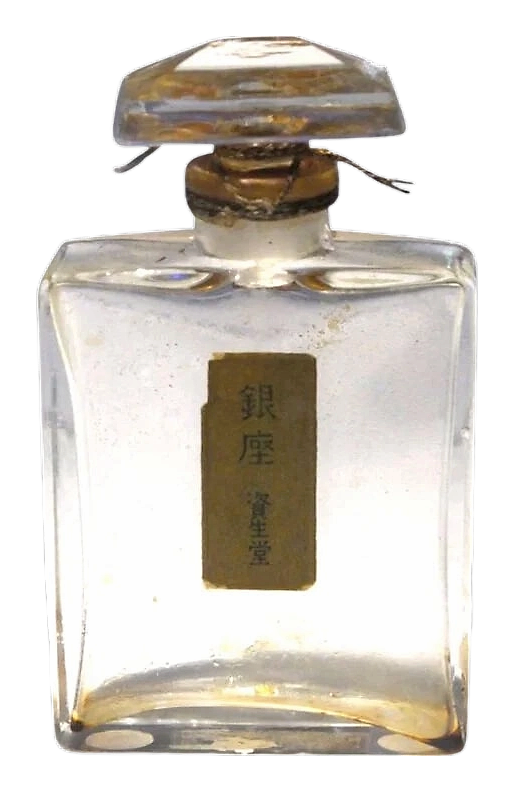
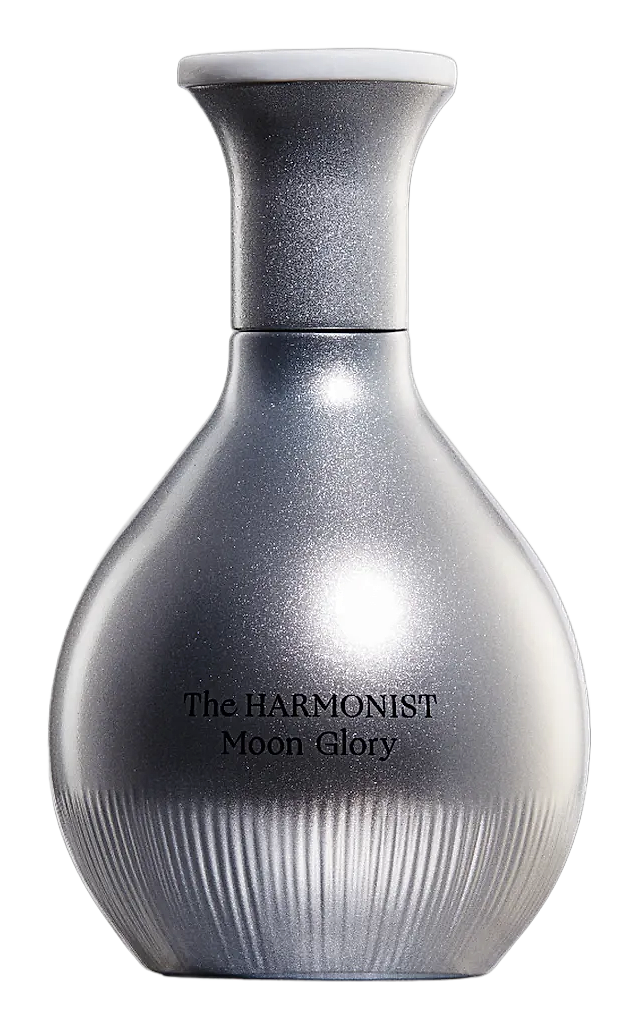
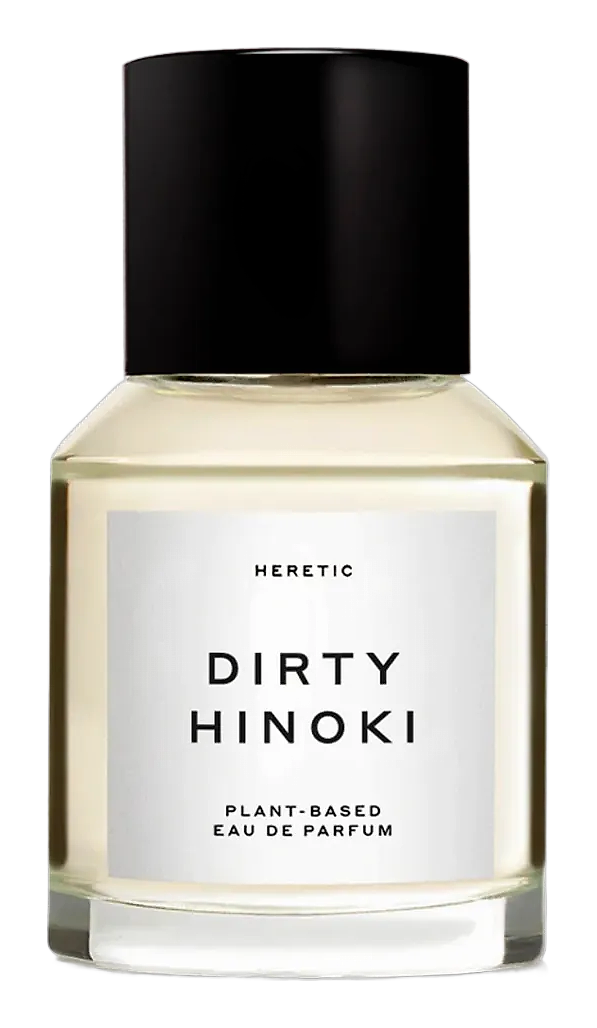
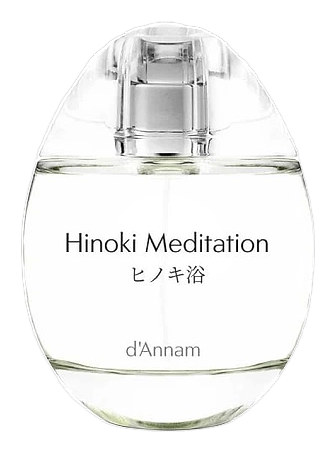
Fragrances featuring Hinoki



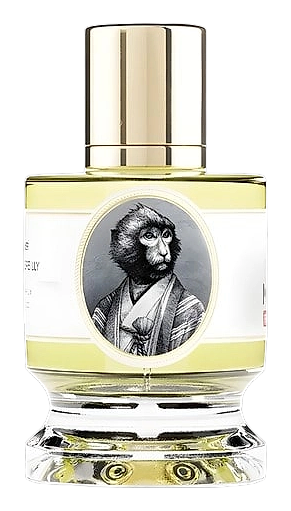

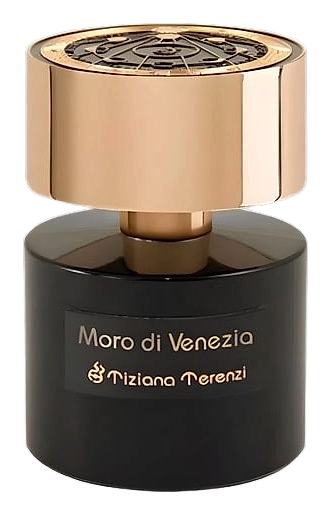
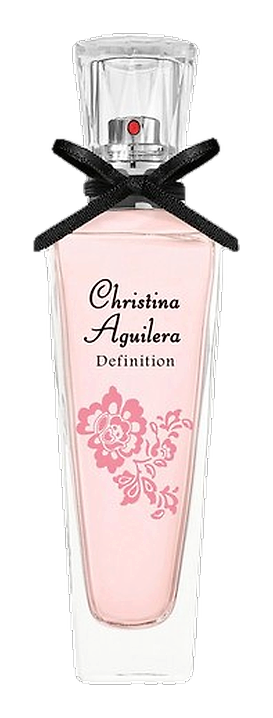
Brands
Brands known for Hinoki
Good to know
Questions, answered
The essentials on Hinoki in perfumery: how it smells, where it comes from, and how it behaves on skin.
What does hinoki smell like?
Hinoki oil has a warm, woody aroma with bright lemon-wood notes, soft resin sweetness, and a dry, slightly creamy finish. It smells cleaner and less sharp than typical cedar or pine, evoking freshly cut Japanese cypress timber.
Is hinoki the same as cedarwood?
Hinoki and cedarwood share coniferous, woody character, but hinoki is lighter, sweeter, and carries a distinct lemony undertone. Cedarwood oils tend to be drier and more pencil-like, while hinoki reads softer and more luminous.
Where does hinoki oil come from?
Hinoki oil is distilled in Japan, primarily from trees grown in prefectures like Kiso, Hida, and Aomori. Chamaecyparis obtusa thrives in central Japan's cool, humid mountain forests, where sustainable forestry supports both timber and aromatic oil production.
What is hinoki oil used for?
Beyond perfumery, hinoki oil is used in aromatherapy, traditional Japanese bath products, and incense. In fragrance, it adds a soft woody backbone with subtle citrus lift, working well in minimalist, forest-inspired, and meditative compositions.
Is hinoki wood still used in Japanese buildings?
Yes. Hinoki remains a premium building material for Shinto shrines, Buddhist temples, and high-end bathhouses. The Ise Grand Shrine has been rebuilt every twenty years using hinoki timber, a ritual practiced for over a millennium.
Why is hinoki oil expensive?
Hinoki oil is costly because Chamaecyparis obtusa grows slowly, and steam distillation yields only two to four kilograms of oil per ton of wood. Limited Japanese supply and high domestic demand keep prices elevated in global markets.
Is hinoki sustainable?
Hinoki can be sustainable when sourced from managed Japanese forests with replanting cycles. However, wild stands have been depleted historically, so buyers should look for certifications confirming responsible harvesting and domestic Japanese origin.
Does hinoki oil have therapeutic benefits?
Hinoki oil contains hinokitiol, a compound studied for antimicrobial and calming properties. In aromatherapy it is associated with relaxation and stress reduction, though clinical evidence remains limited compared to its traditional use in Japanese wellness culture.