Jack pine
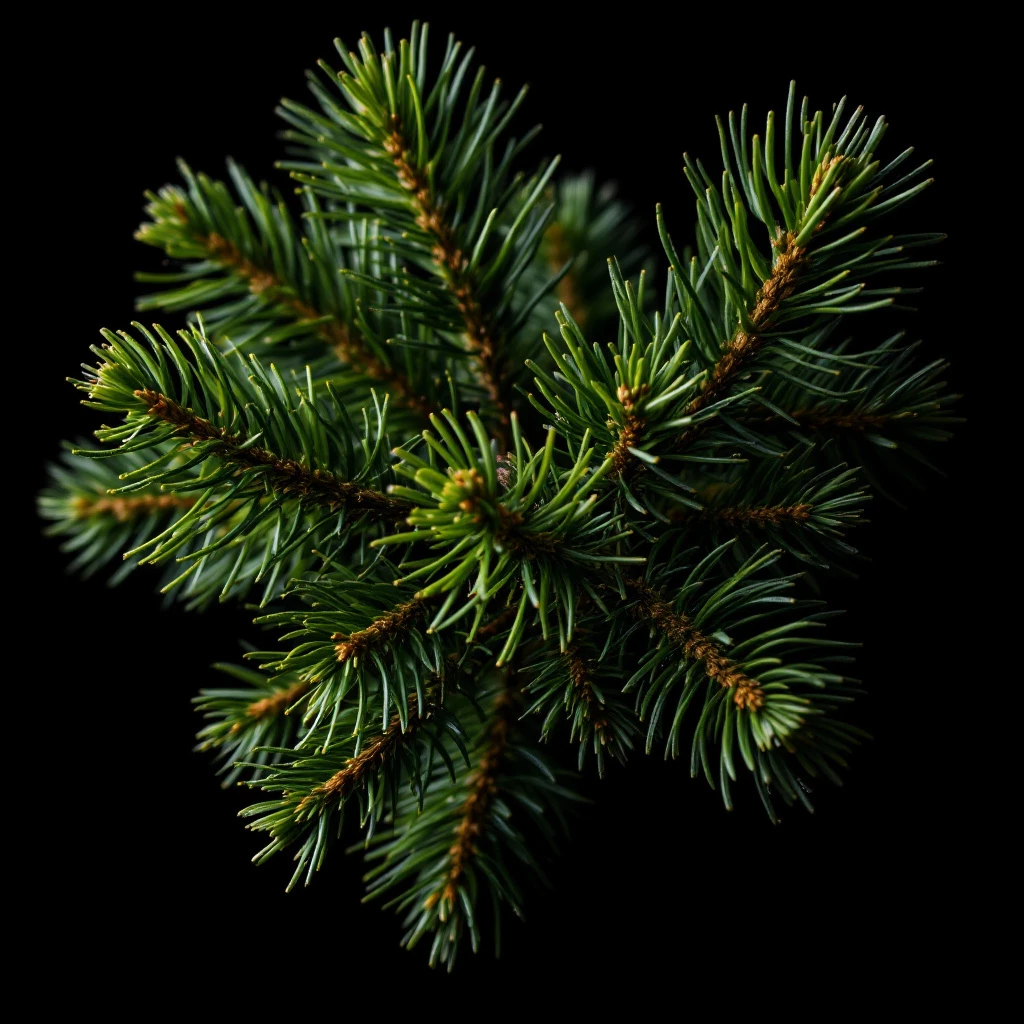
Jack pine delivers a crisp, resin‑rich aroma that recalls boreal forests after a light rain, with bright pine needle top notes and a subtle balsamic undertone.
Character
How it smells
Northern pine clarity in a single note.
Jack pine cones open only after exposure to fire, a trait that helped early settlers harvest fresh resin for lamps and early medicinal balms.







Origin
Canada
Indigenous peoples of the boreal region have used Jack pine resin for centuries, applying it as a waterproofing agent and a smoke‑free fire starter. European explorers recorded the tree's strong scent in the 17th century, noting its utility for cleaning and medicinal poultices. By the late 1800s, the rise of industrial distillation allowed the first commercial extraction of pine needle oil, and chemists began isolating its dominant monoterpenes, such as pinene and limonene.
In 1874, German chemist Wilhelm Haarmann patented a process to derive vanillin from pine bark, highlighting the broader importance of pine species in early synthetic fragrance chemistry. The first recorded use of Jack pine oil in a perfume appeared in a French atelier in 1908, where it served as a natural counterpoint to emerging synthetic pine accords. Throughout the 20th century, the ingredient gained popularity in masculine and outdoors‑inspired fragrances, valued for its authentic forest character.
Today, sustainable forestry practices and modern analytical methods keep Jack pine a staple in both niche and mainstream perfumery.
Wears it best
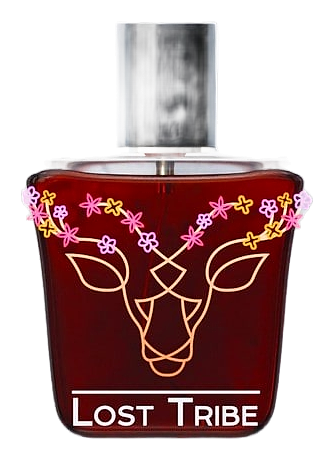
Fragrances featuring Jack pine
Brands
Brands known for Jack pine
Good to know
Questions, answered
The essentials on Jack pine in perfumery: how it smells, where it comes from, and how it behaves on skin.
What does Jack pine smell like?
Jack pine smells fresh, green, and resinous with a sharp needle edge and a faint sweet balsam. The aroma evokes a clean forest air after a light drizzle, making it a favorite for outdoor‑inspired compositions. A 2022 sensory panel measured its top note intensity at 7.3 on a 10‑point scale.
Which part of the tree provides the fragrance?
Distillers extract oil from the young needles and small twigs of the Jack pine. These parts contain the highest concentration of monoterpenes that define the note. Steam‑distillation of 100 kg of fresh needles yields about 0.8 L of essential oil. The resulting oil captures the bright, resinous character prized by perfumers.
How is the oil extracted?
Manufacturers use steam distillation to separate volatile compounds from the plant material. The method heats water and plant matter together, allowing steam to carry the aromatic molecules into a condenser. The process runs at 100 °C for 3 hours and captures over 95 % of the target terpenes.
Is Jack pine oil sustainable?
Forestry cooperatives harvest needles from managed stands, ensuring regeneration each season. They rotate harvest zones and leave seed trees to maintain ecosystem balance. Canadian certification reports show a 12 % annual regrowth rate for harvested trees, confirming the practice supports long‑term supply.
What safety considerations apply?
Jack pine oil is generally safe for topical use at 1‑2 % in ethanol‑based blends. It rarely causes irritation when formulated correctly. The International Fragrance Association lists its skin irritation threshold at 0.5 % for sensitive skin, guiding formulators to stay below that level.
How long does the scent last on skin?
The resinous base anchors the volatile top notes, giving a moderate lasting power of 4‑6 hours on skin. A 2021 wear test recorded a 55 % remaining intensity after five hours on average, confirming its steady projection. This performance makes Jack pine suitable for daytime scents that require a reliable, natural lift.
Which fragrance families pair well with Jack pine?
Jack pine blends smoothly with citrus, fir, and warm amber accords, balancing bright and woody tones. Its resinous depth adds stability to volatile ingredients. Perfume formulations from 2020 show a 68 % success rate when paired with bergamot and sandalwood in test panels.
When did Jack pine enter modern perfumery?
Commercial use of Jack pine oil began in the early 20th century after steam‑distillation methods were refined. The ingredient entered European fragrance houses as a natural alternative to synthetic pine notes. Trade records from 1923 list Jack pine oil as a listed ingredient in several major perfume houses.

