The Story
Why it exists.
The beginning
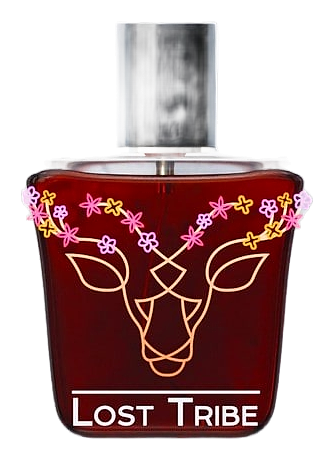
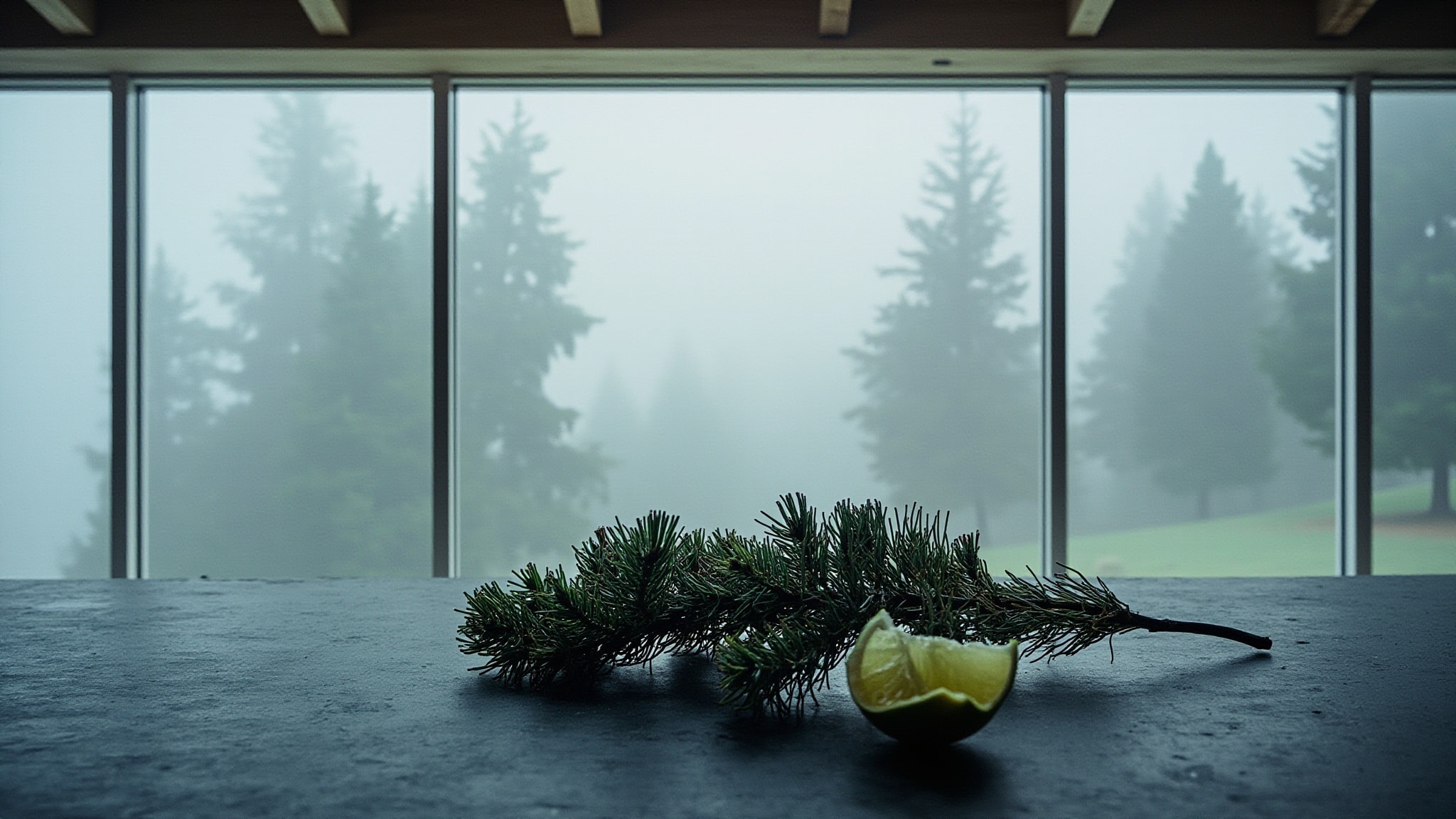
Lost Tribe's Forbidden Forest arrived in 2023, the work of perfumer Mathew Schmuelian, who shaped it as a terrain rather than a scent. The official framing calls it a place not known to the human world, where woods and florals stop competing and start coexisting. The brief is almost geographical: lavender and cedar open the path, and the florals smooth off the edges of whatever sharp grows there. There is nothing ornate about the concept, no ornate mythology being staged. It is a constructed wilderness of lavender, lime, tarragon, fir, jack pine, blue cypress, hinoki cypress, neroli, narcissus, white ginger lily, blue lotus, rose, frankincense, incense, sandalwood, vetiver, bakhoor, and Malayan oud, all of it dosed with enough restraint that you can smell each one breathing.
What makes the composition worth slowing down for is how the woods and florals are sequenced, not blended. Forbidden Forest keeps them in separate rooms. The fir, jack pine, and the cypresses (blue cypress and hinoki) do the structural work, providing a dense green spine that runs underneath the whole wear. The neroli, narcissus, blue lotus, and white ginger lily drift in without ever sweetening into perfume-shop florality, each one threading through the green without smothering it.
The evolution
The opening minutes are the loudest the fragrance gets. Fir, lime, tarragon, and lavender arrive together with a brightness that surprises for something called Forbidden Forest, the citrus and herbal notes slicing through what would otherwise read as a green composition. Then the conifers take over: blue cypress and hinoki build a dense green corridor that reads more like bark than needle, the wood notes crowding out the brightness and replacing it with something cooler and more mineral. As the fragrance settles on skin, the florals start surfacing. Neroli opens the door, then narcissus and white ginger lily follow, but they never become a bouquet. They stay half-shadowed by the woods still running underneath, the floral notes flickering through the green like light through canopy.
Cultural impact
Only seventeen bottles of Forbidden Forest were ever produced, which makes it a rare object even within the small-batch niche conversation. The fragrance reads as an environment rather than a designer signature, an approach that resonates with a current pocket of scent culture where wearers want their perfume to evoke a specific place or atmosphere. Coniferous compositions have a small but devoted audience, and this sits within that world as a layered, contemplative option rather than a commercial one.