Fujian Cypress Wood
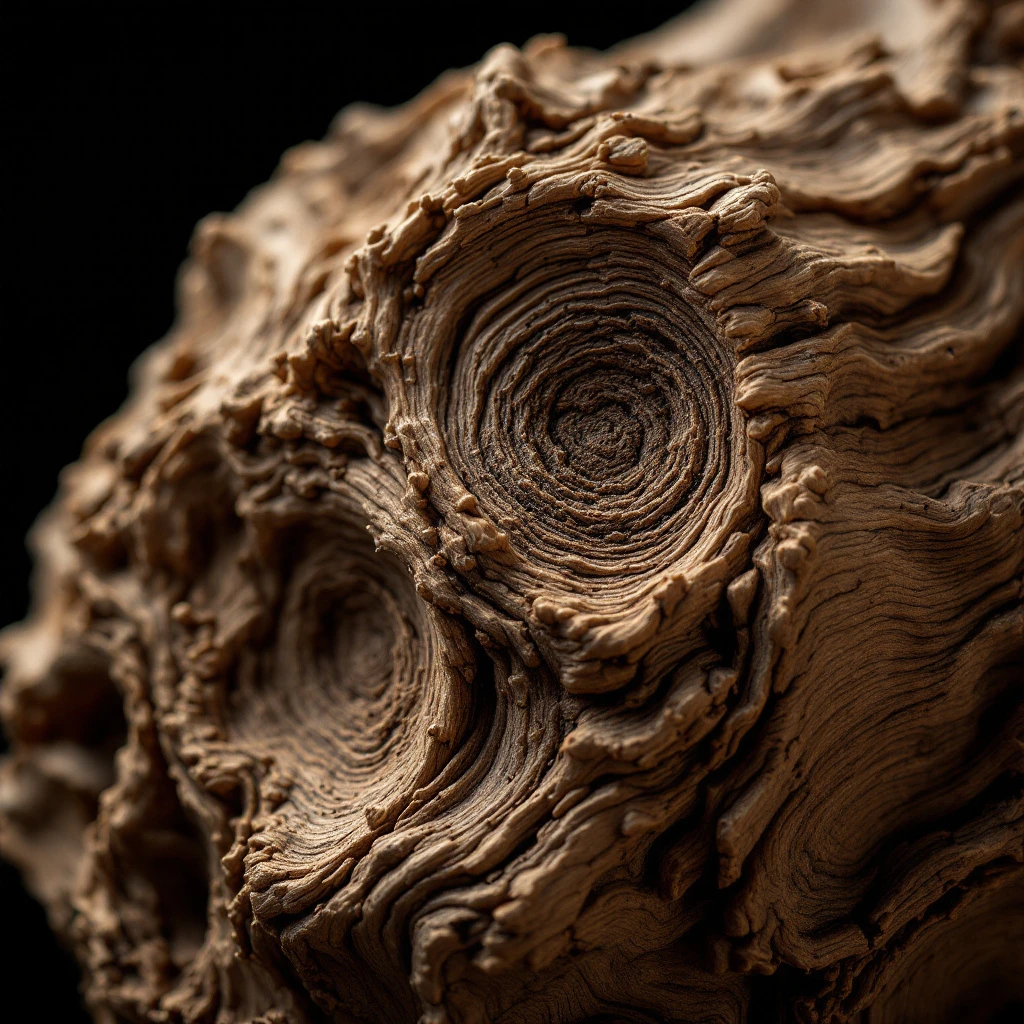
Fujian Cypress Wood carries the resinous whisper of southern China's mountain forests, a refined woody note prized for its dry, smoky character and exceptional longevity in fine fragrance compositions.
Character
How it smells
Ancient resin from China's misted highlands
Fujian cypress trees can live over 500 years, and their heartwood only develops the prized aromatic resin after decades of slow growth.






Origin
China
Cupressus funebris, the mourning cypress, has shaped Chinese material culture for more than two millennia. Confucian scholars planted groves of these trees around temples and ancestral halls, believing their aromatic wood honored the dead and preserved memory. Carpenters prized the timber for temple pillars, scholarly furniture, and burial chambers because it resisted decay and emitted a lasting, clean scent.
During the Tang dynasty, artisans in Fujian province began steam-distilling the heartwood to produce what became known as Zhen Cui Xiang, a refined oil used in court incense and Daoist ritual. By the Ming dynasty, the wood had become a trade commodity along coastal routes, reaching Japan and the Korean peninsula. Modern perfumery rediscovered the ingredient in the early 2000s as formulators searched for smoky, dry woody notes distinct from Atlas cedar and Virginian cedar.
Today, Fujian cypress remains closely tied to its regional identity, with smallholder forests supplying both the timber and aromatics industries.
Wears it best
Fragrances featuring Fujian Cypress Wood


Brands
Brands known for Fujian Cypress Wood
Good to know
Questions, answered
The essentials on Fujian Cypress Wood in perfumery: how it smells, where it comes from, and how it behaves on skin.
What does Fujian Cypress Wood smell like?
Fujian Cypress Wood smells dry, smoky, and resinous, with balsamic undertones and a clean, almost pencil-shaving sharpness. Its cedrol-dominant profile distinguishes it from Mediterranean cypress, which leans greener and more pine-like due to higher α-pinene content.
How is Fujian Cypress Wood oil extracted?
Producers extract the oil through steam distillation of aged heartwood and root chips. The process takes 12 to 24 hours per batch and yields only 1 to 2 percent oil by wood mass, which contributes to its premium pricing in fragrance formulation.
What is the difference between Fujian cypress and Mediterranean cypress?
Fujian cypress (Cupressus funebris) delivers a warmer, smokier, cedar-like scent from its heartwood. Mediterranean cypress (Cupressus sempervirens) produces a sharper, needle-and-cone oil rich in α-pinene and limonene, used for different aromatic purposes.
Why is Fujian cypress wood so expensive?
Its cost stems from low distillation yield, the centuries-long growth required before heartwood develops full aromatic character, and the limited geographic range of mature Cupressus funebris forests in southeastern China.
Is Fujian Cypress Wood sustainable?
Sustainability depends on harvest practice. Mature trees are selectively cut after 80 to 500 years of growth, and Chinese forestry regulations now require replanting, though demand has pressured some wild populations in Fujian and Zhejiang provinces.
What perfumes commonly use Fujian cypress?
Niche and oriental woody fragrances use it most often. It appears in compositions seeking a smoky-dry base note, frequently paired with oud, sandalwood, frankincense, or Haitian vetiver for added depth and resinous warmth.
Can Fujian Cypress Wood oil go rancid?
No. The cedrol and cedrene compounds resist oxidation well, and properly stored oil retains its character for several years. Keep it in dark glass away from heat to preserve the top-note freshness.
Is Fujian cypress the same as hinoki?
No. Hinoki comes from Chamaecyparis obtusa, a Japanese species with a brighter, lemony-resinous scent. Fujian cypress shares some structural compounds with hinoki but produces a darker, smokier oil overall.




