Blue Tansy
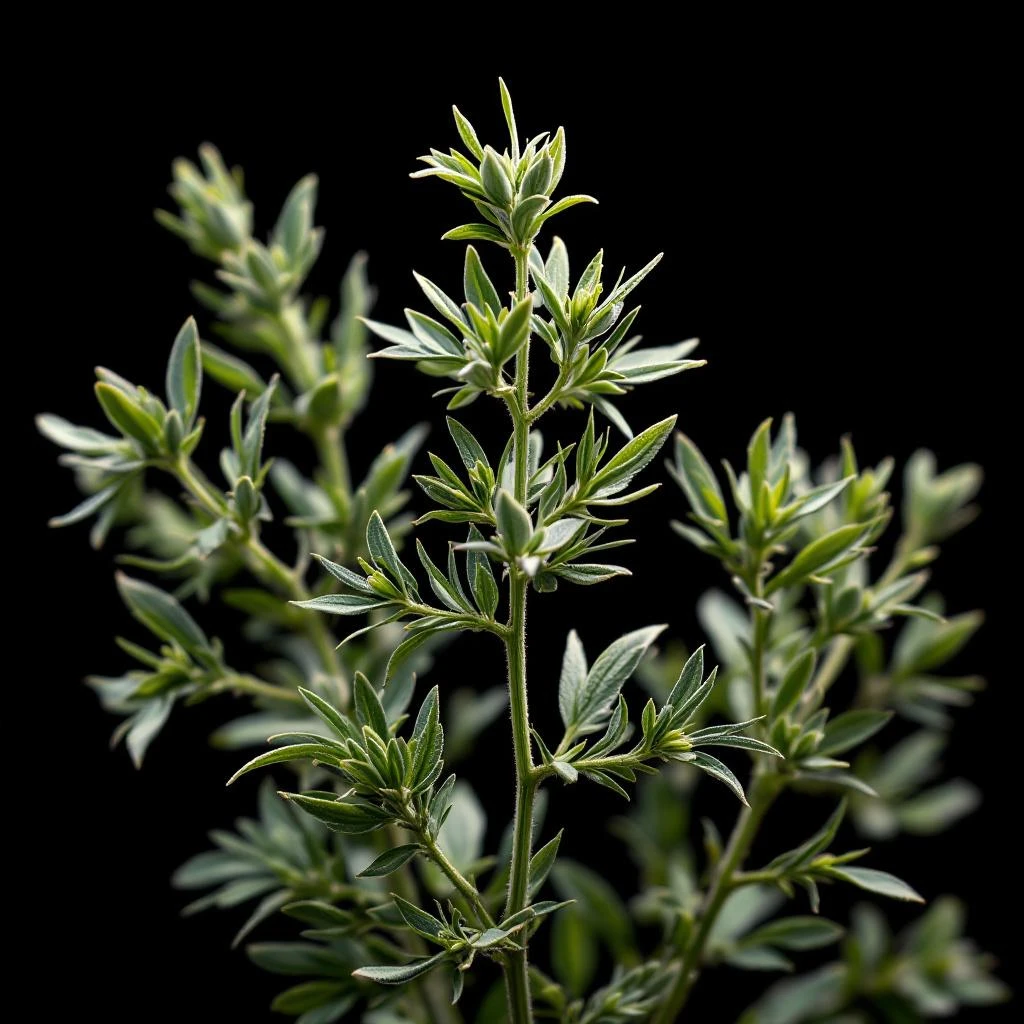
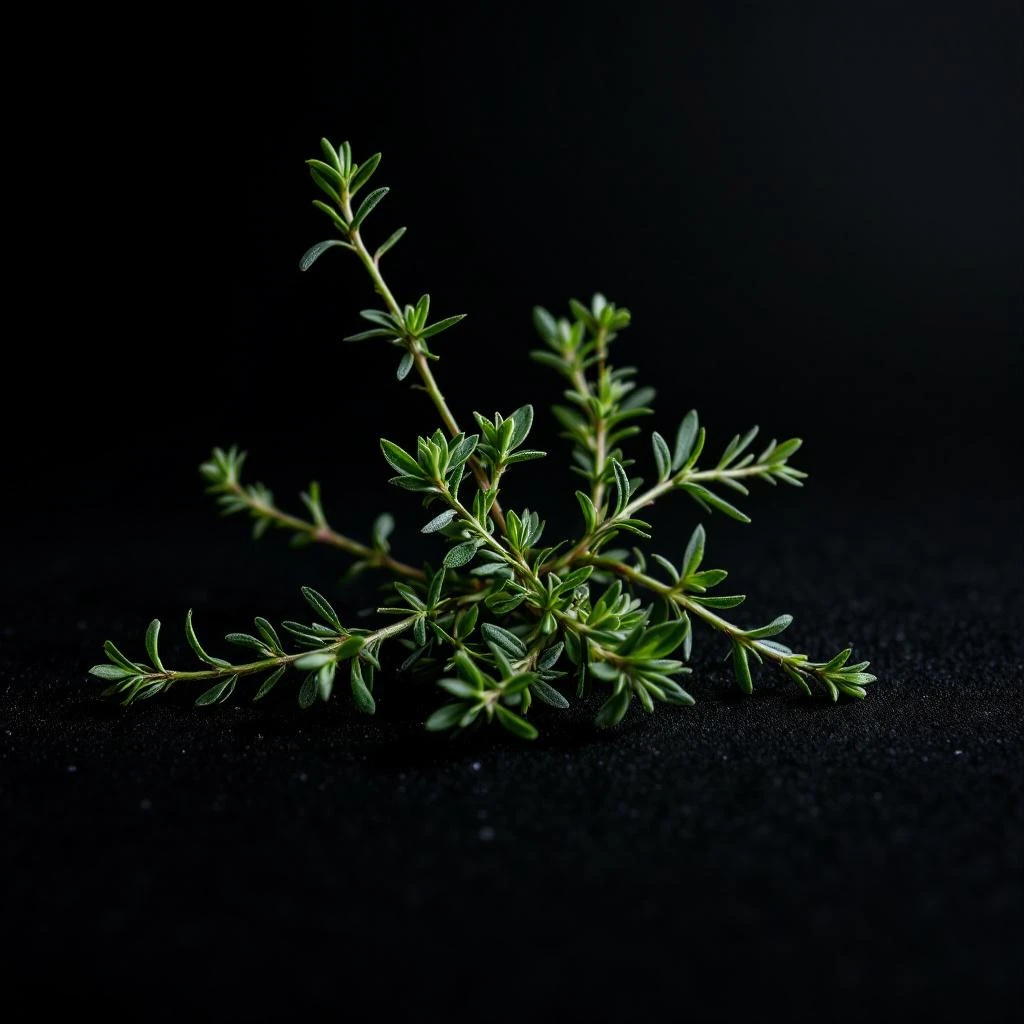
Blue Tansy is a sapphire-blue essential oil distilled from a yellow Mediterranean flower. Its cool, herbaceous aroma brings a sweet, slightly camphoraceous edge to modern perfumery.
Character
How it smells
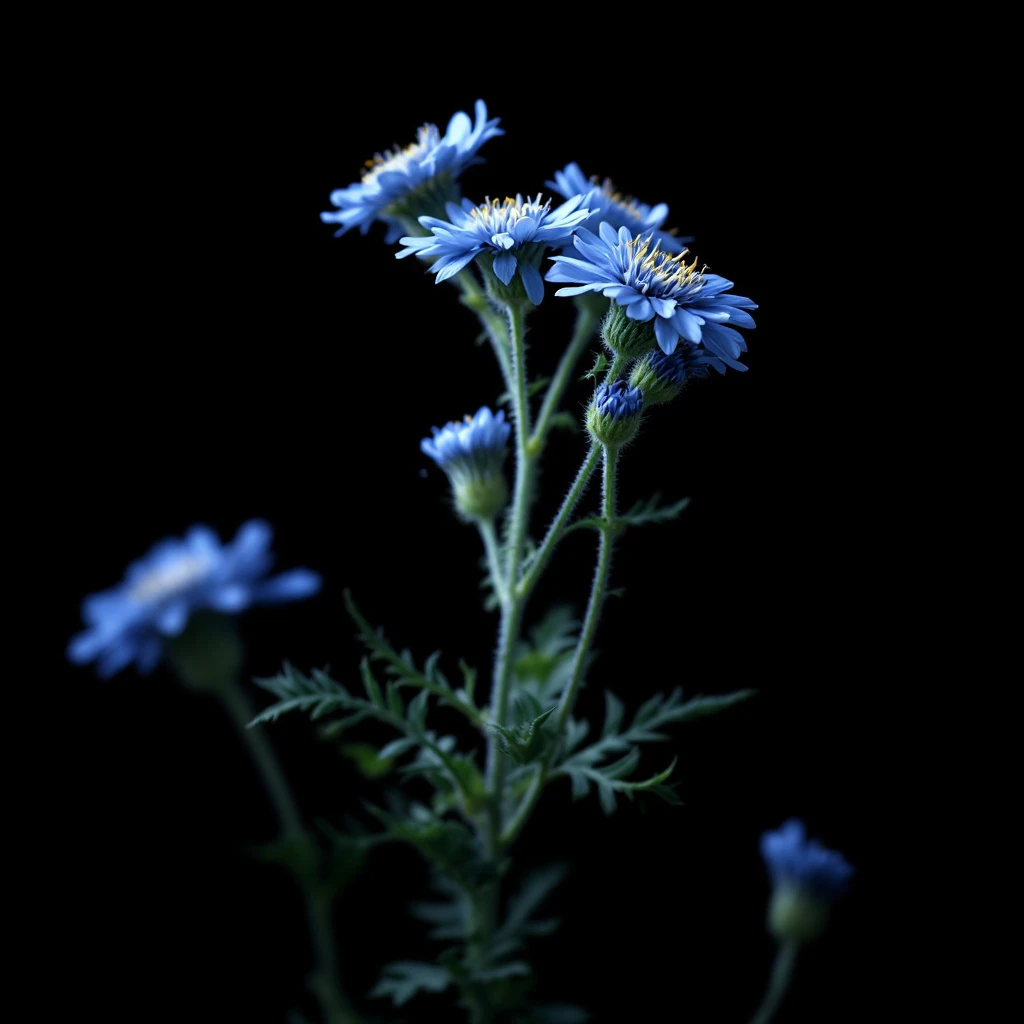
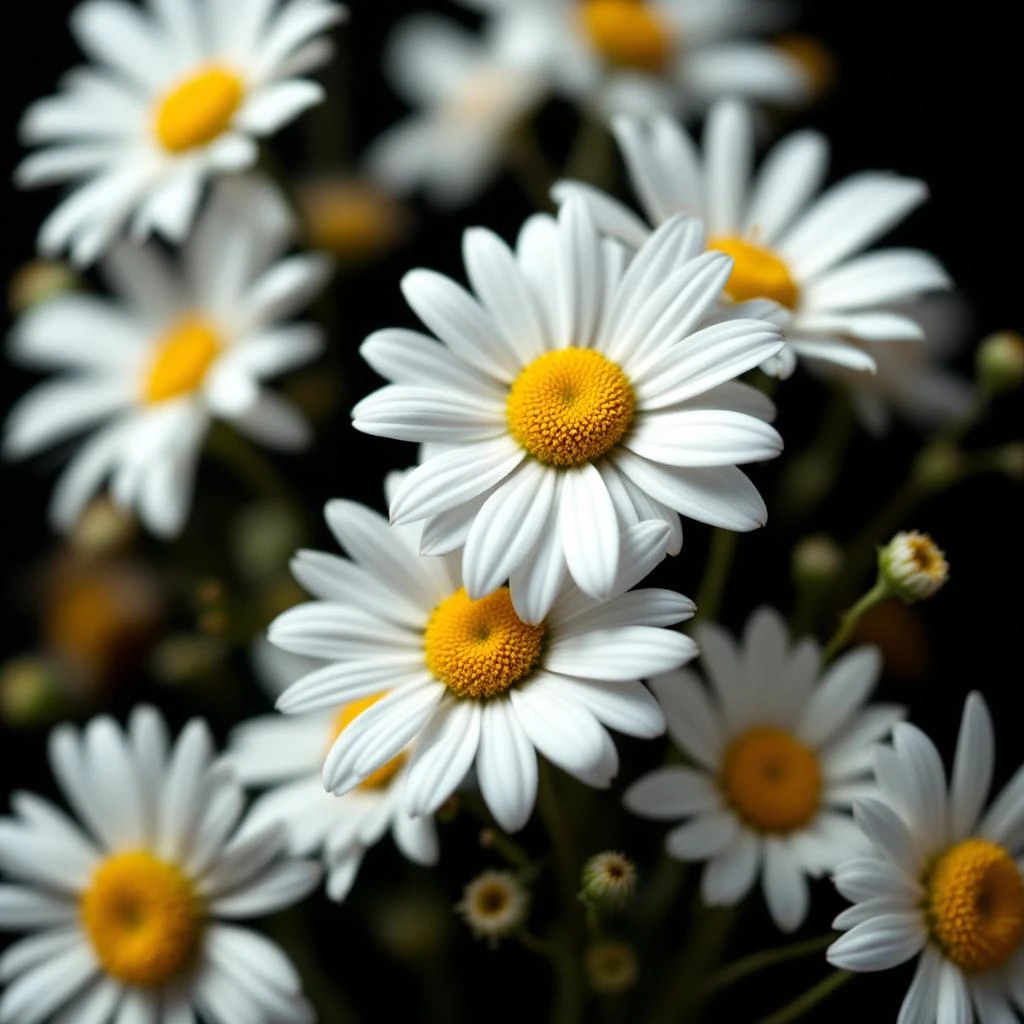
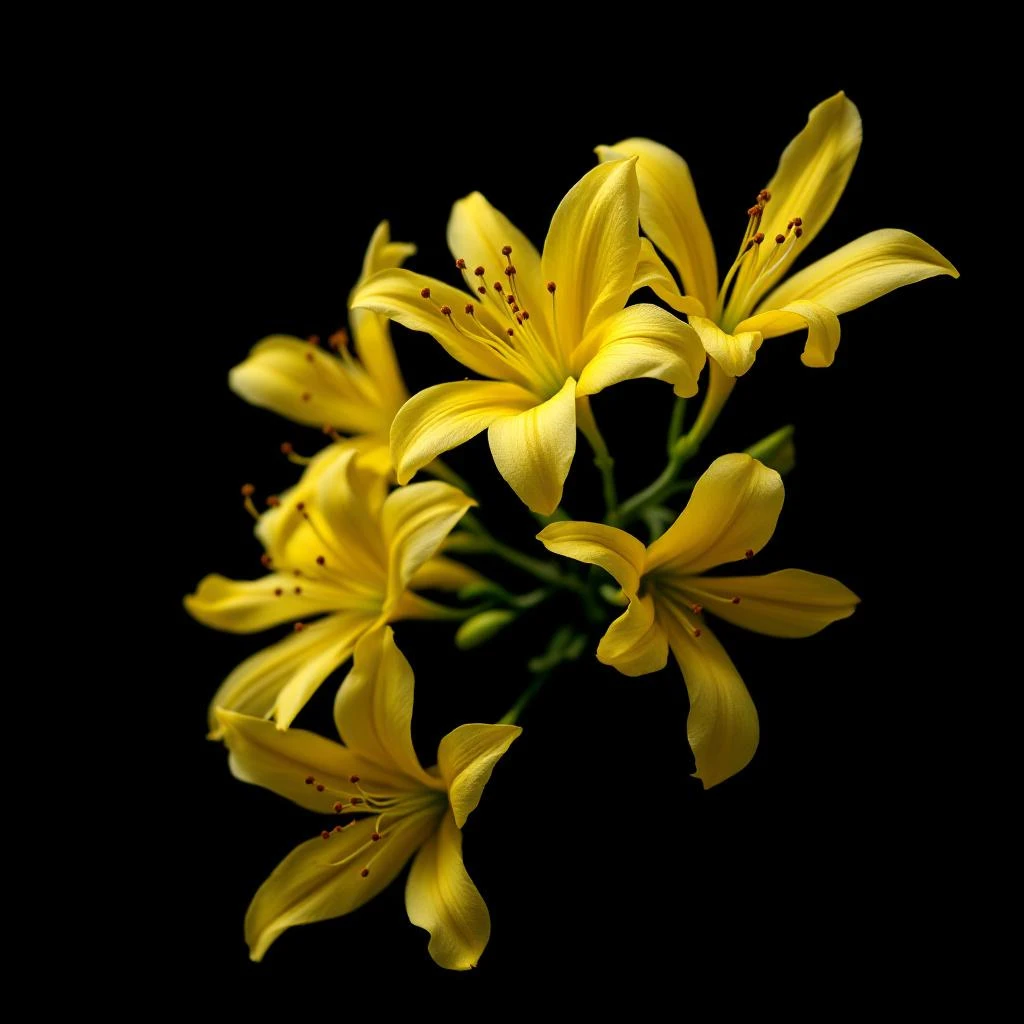
Sunflower fields hiding midnight blue
The flowers are bright yellow, yet the oil turns deep blue during distillation as chamazulene forms under heat.



Origin
Morocco
The Mediterranean basin has hosted aromatic tansy species for millennia, referenced in Greek and Roman herbals for their medicinal and fragrant properties. Wild populations of Tanacetum annuum once spread across North Africa and the Iberian Peninsula, but intensive land use pushed the species toward regional extinction in the wild. In the twentieth century, Moroccan growers reintroduced the plant as a cultivated crop, recognising its commercial potential for both aromatherapy and fine fragrance.
The deeper connection to ancient herbal traditions remains contested, though folk medicine across the Mediterranean long valued tansy relatives for respiratory and digestive complaints. By the late 1990s, Blue Tansy oil had captured the attention of natural perfumers seeking alternatives to synthetic azulenes. Its striking colour became a marketing signature, even as chemists clarified that the blue pigment, chamazulene, was a product of distillation rather than the living flower.
Today, Morocco remains the principal sourcing region, with smallholder farms in the Middle Atlas supplying most of the global trade.
Wears it best
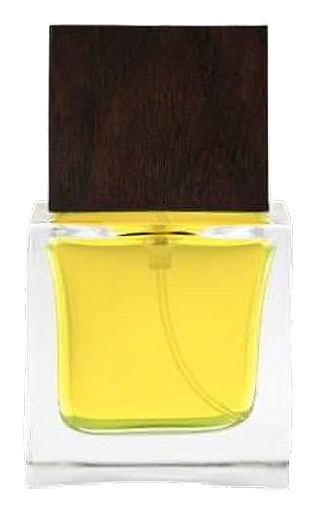
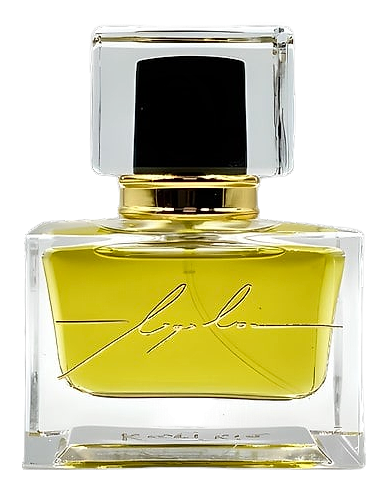
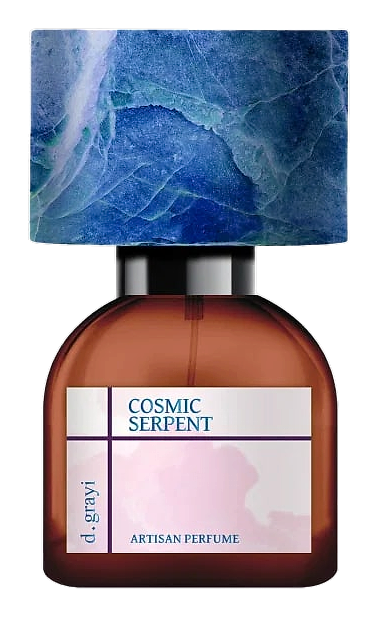
Fragrances featuring Blue Tansy
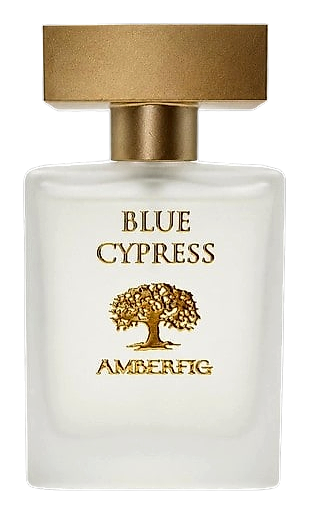
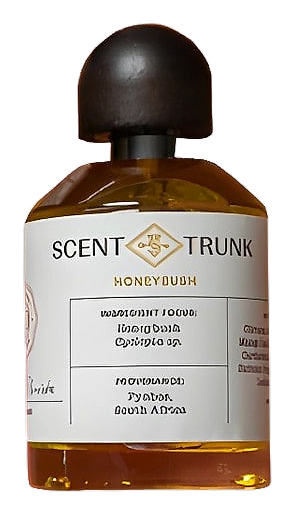
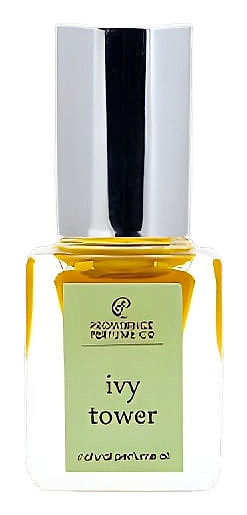
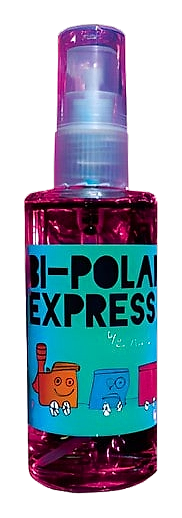
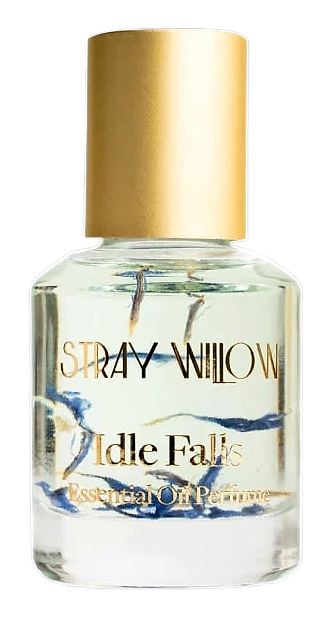
Brands
Brands known for Blue Tansy
Good to know
Questions, answered
The essentials on Blue Tansy in perfumery: how it smells, where it comes from, and how it behaves on skin.
What does Blue Tansy smell like?
Blue Tansy has a sweet, herbaceous aroma with cool camphoraceous lift and a soft fruity undertone. The chamazulene-rich oil carries notes reminiscent of chamomile blended with fresh hay and a faint minty edge.
Why is Blue Tansy oil blue?
The oil's sapphire colour comes from chamazulene, a compound that does not exist in the living yellow flower. During steam distillation, heat converts the colourless precursor matricin into chamazulene, turning the distillate deep indigo.
Is Blue Tansy the same as Common Tansy?
No. Blue Tansy is Tanacetum annuum, a Moroccan annual herb, while Common Tansy is Tanacetum vulgare, a taller European perennial classified as toxic due to high thujone content. They are distinct species with different chemistry.
Where is Blue Tansy grown?
Nearly all commercial Blue Tansy comes from Morocco, particularly small farms in the Middle Atlas region. Wild populations are extremely limited, so the ingredient depends almost entirely on cultivated annual harvests.
How rare is Blue Tansy essential oil?
Blue Tansy is among the rarer aromatic oils because distillation yields roughly one kilogram of oil per tonne of plant material. Annual production is constrained by this low output, keeping supply tight and prices elevated.
What gives Blue Tansy its calming reputation?
The oil's chamazulene content, the same anti-inflammatory compound found in German Chamomile, contributes to Blue Tansy's reputation in aromatherapy for soothing skin and easing tension. Perfumers value it primarily for its scent and unusual colour.
Which perfumes use Blue Tansy?
Blue Tansy appears in niche and indie fragrances seeking cool, herbal-fruity facets, often as a supporting middle note. Its striking colour also makes it a signature ingredient in botanical-themed compositions from artisan houses.
Is Blue Tansy safe in fragrance?
At typical fragrance concentrations, Blue Tansy oil is considered safe for topical use, though it should always be diluted. The related Common Tansy contains thujone and is toxic, so sourcing genuine Tanacetum annuum matters.