
The Story
Why it exists.
The beginning
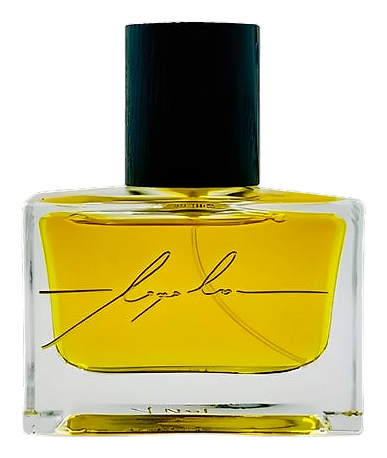
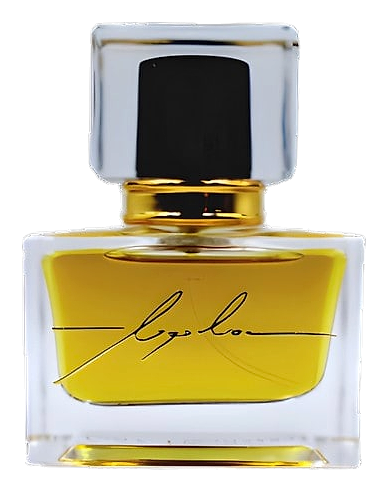
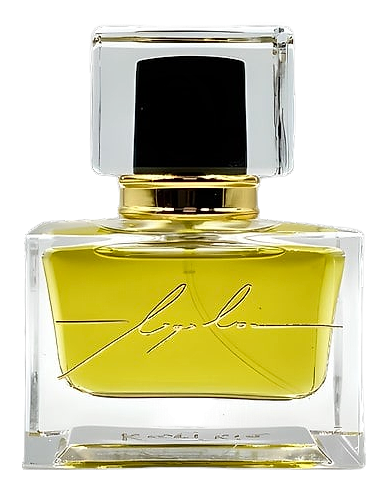
Karíkia (Καρίκια) takes its name from the Greek word for the ploughs once used to cultivate tobacco fields in Northern Greece. Angelos Balamis grew up hearing stories from his ancestors about the demanding, intricate process of growing tobacco, the crop that sustained families across the region for generations. He visited the remaining fields himself. He listened. He remembered. Karíkia is the result of that accumulated memory, a fragrance built around tobacco, yes, but also around the landscape that grew it, the people who tended it, and the craft it demanded. This is a tribute to something that shaped a place and its people.
The fragrance layers dry and earthy against sweet and resinous, bright and foresty against aldehydic. That tension is the point. The aldehydes aren't a nod to vintage perfumery, they're structural. They lift the tobacco, keep the vanilla from becoming dessert, and prevent the hay from reading as mulch. The perfumer called this multi-faceted. The word for it is "complex." This is a composition that asks something of the wearer, and rewards accordingly.
The evolution
The aldehydes open first, bright, sparkling, with an effervescent quality that lingers longer than expected, carrying the blood orange and saffron for the first thirty minutes before the tobacco arrives. When it does, it doesn't rush. The tobacco settles into the heart alongside hinoki, mahogany, and frankincense, with black pepper and nutmeg adding spice that reads as warmth rather than heat. This is the phase that gives Karíkia its reputation. The drydown arrives as a warm vanilla and sandalwood blend that stays close, intimate sillage, intimate conversation. The next morning, traces of hay and beeswax remain on fabric.
Cultural impact
Karíkia draws on the tobacco farming heritage of Northern Greece, translating the agricultural memory of the region into an aldehydic tobacco composition. The perfumer built a small catalogue that honors Greek surroundings while respecting perfume heritage. The release captures a specific moment in Greek craft culture, linking contemporary indie perfumery to the countryside traditions that inspired it.