The Story
Why it exists.
The beginning
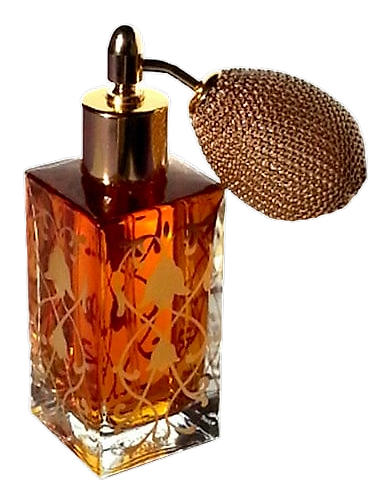
Maroquin takes its name from the beautifully embellished Maroquin Leathers used in Renaissance bookbinding, the kind of ornate, gilded covers that signaled not just preservation, but reverence. Annette Neuffer built this fragrance around that same idea: materials treated with patience, layered with intent. The smell of leather finished with reverence, something made to be treasured and handled with care.
What makes Maroquin unusual is the beeswax. It brings a waxy, slightly animalic warmth that bridges the sharp opening spices and the sweet, deep base. The tobacco doesn't arrive all at once. It builds slowly, taking over the heart phase while the leather and frankincense deepen around it. By the time vanilla and Siam benzoin arrive, the whole thing has become something worn and familiar, like a leather jacket that's been close to your skin for years.
The evolution
The opening hits hard and bright, black pepper and saffron cutting through bergamot and lime like a sharp chord in a quiet room. For the first chapter, this fragrance announces itself. Then something shifts. The citrus recedes, and beeswax rises to meet the frankincense and tobacco. The carnation appears briefly, adding a waxy-floral moment that feels almost unexpected. Then the base takes over: leather, myrrh, and styrax deepening into something resinous and warm. The drydown is where the leather and beeswax wrap around the skin like something well-worn. Vanilla softens what could have been harsh. The leather doesn't disappear; it settles. Above-average longevity lets this fragrance change chapters as it wears.
Cultural impact
Maroquin occupies a specific corner of niche perfumery: warm, resinous, and deliberately demanding. Among collectors who seek natural materials and long evolution arcs, it stands apart. The beeswax-leather-tobacco triad is uncommon in contemporary fragrance, a rare combination that suggests something older, more classical in spirit than current trends.