The Story
Why it exists.
The beginning
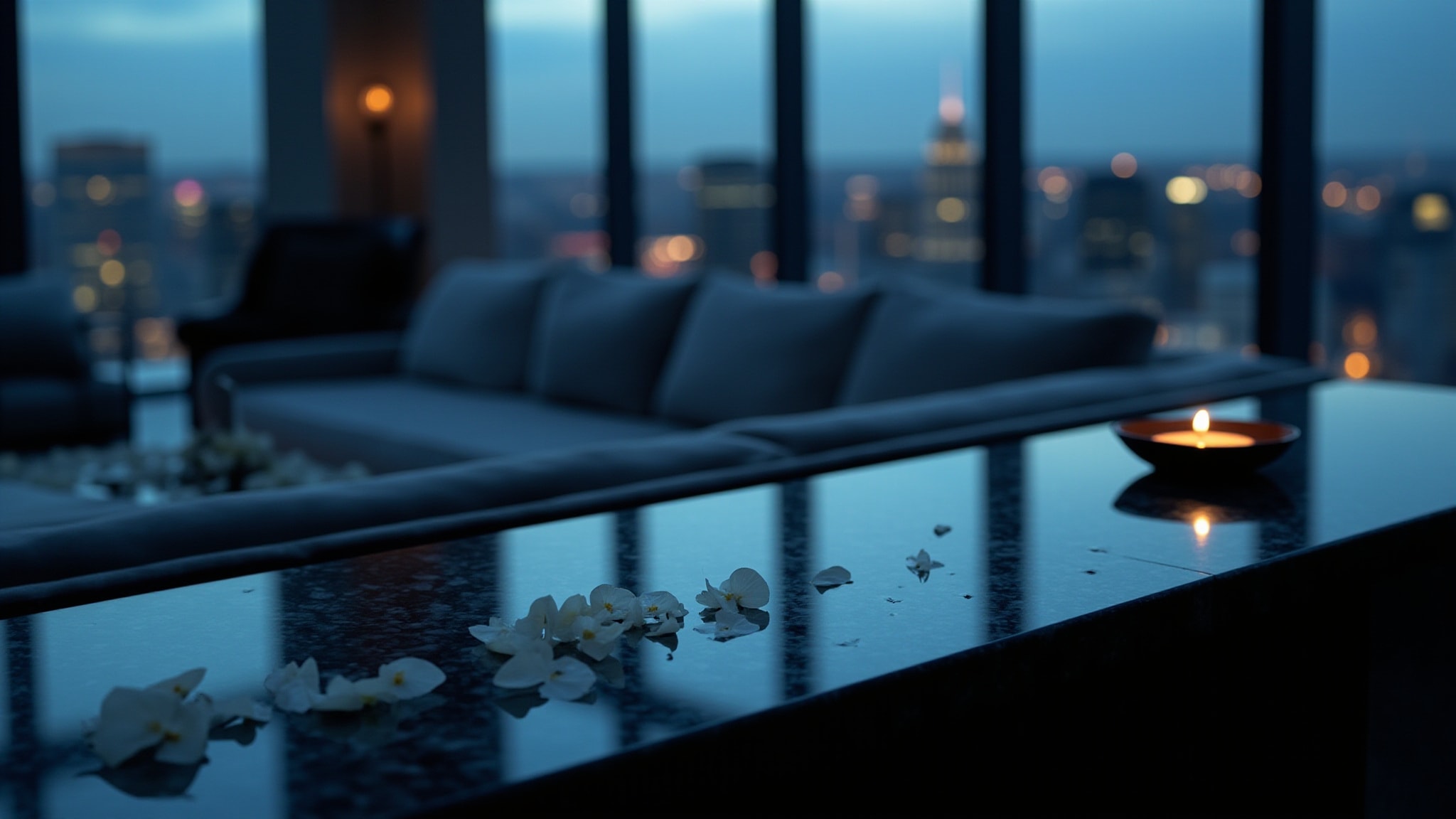
Night Bloom took shape around a single obsession: night jasmine. Not the idea of it, not the candle version. The real, slightly unsettling sweetness that only happens after dark, when the air cools and the petals unfurl fast enough to catch you off guard. There's an attempt here to bottle that specific hour, when the day's edges soften and the flowers start doing all the talking. The composition was built to be stepped into rather than worn like a product. Every decision, from the proportions of indolic jasmine to the restraint shown with the supporting notes, points back to that obsession. It's a fragrance that treats darkness as a material, not a mood board, and the result smells less like a perfume and more like an environment you accidentally walked through.
What makes Night Bloom structurally interesting is the tension between the materials. Gardenia sits up top, bright and creamy, almost waxy in its intensity, the kind of white floral that announces itself before you lean in. White ambergris underneath drags the whole thing toward something more animal, that slightly saline, skin-like quality that real ambergris brings rather than the synthetic version. The orris root in the heart acts as a bridge, powdery and cool, keeping the jasmine from tipping into sweetness.
The evolution
The opening arrives cool and almost watery, with gardenia leading alongside a bright, fresh floral lift and white ambergris lending a saline edge that reads more skin than air. It's pretty, but it doesn't stay pretty. The night-blooming jasmine takes over completely, and the orris root folds into it, adding a powdery softness that makes the whole thing feel like it's been there longer than it has. The sweetness deepens without getting heavy, a rare trick in jasmine-heavy work where most compositions collapse into candied jam. As the hours pass, the jasmine hasn't faded, it's been joined. Malaysian oud shows up, smoky and resinous, then sandalwood adds a dry, almost mineral warmth. The natural musk underneath ties everything together with that warm, slightly dirty edge that only real musk brings.
Cultural impact
Night Bloom stakes its claim in a category that rarely gets treated with this much seriousness: the indolic white floral. For collectors already invested in jasmine-heavy compositions, it offers something with genuine darkness in it, leaning into the flower's more animalic qualities rather than softening them away. The fragrance appeals to wearers who want their florals to carry weight, who see softness not as a lack of substance but as a different kind of strength. Within a niche landscape crowded with safe crowd-pleasers, this one chooses confrontation.
The House
Lost TribeLost Tribe Perfumes is a New York‑based niche house that builds its identity around the unfiltered scent of the wild. The brand’s public statements stress a mission to reconnect wearers with the raw beauty of nature, and its catalogue reflects that aim with a steady stream of location‑inspired and narrative‑driven releases. From the coastal breezes evoked by The Hamptons (2025) to the desert heat captured in Dubai (2025), each fragrance is presented as a miniature landscape, crafted for collectors who value depth over trend. The house positions itself in the ultra‑niche segment, favoring natural ingredients and small‑batch production, and it maintains an active dialogue with its community through social platforms where enthusiasts share impressions and pairings.
The Creator
Mathew SchmuelianMathew’s style leans toward unisex blends that balance bright fruit with grounded woods. He often starts with a single natural note—ripe mango, smoked tobacco, or wild rose—and builds layers that echo its texture.