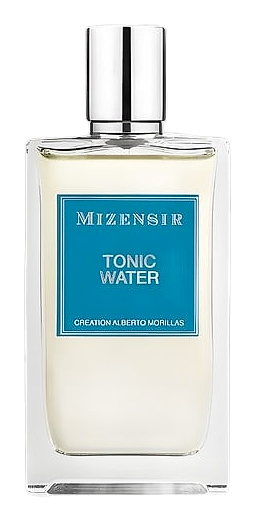

The Story
Why it exists.
The beginning
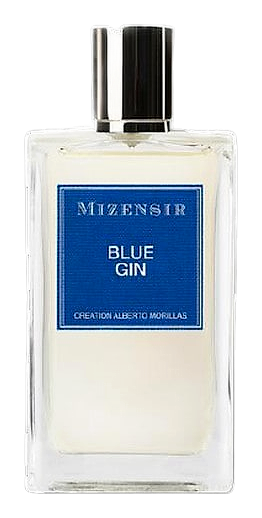
Alberto Morillas built Tonic Water around a paradox: the ocean appearing where it shouldn't. Sand dunes under a golden sun, silence stretching to the horizon, then, life. A breeze. The sound of waves from nowhere. The concept arrived in 2023, and Morillas approached it the way he approaches everything: with restraint, then depth. The Swiss precision of his Geneva laboratory meant every element had to earn its place. Calone for the fizz. Peppers for the mineral air. Then the long, warm base that makes the desert make sense.
What makes Tonic Water distinctive is the structural honesty. Most aquatic fragrances chase freshness and lose it within an hour. Here, Morillas uses cetalox and ambroxan, both ambergris-textured materials, to give the marine layer weight. Norlimbanol, a powerful synthetic, extends the base into that 8-10 hour range without relying on natural ingredients that might fight the concept. The incense and papyrus aren't afterthoughts. They're what makes the ocean feel earned, what keeps the desert from feeling like a mistake.
The evolution
It opens sharp. Calone dominates, that synthetic-aquatic fizz that can read almost aldehydic if you're not ready. Sichuan pepper and cardamom cut through, clean heat, mineral clarity. For the first twenty minutes, you're either in or you're not. Then the transition begins. Cetalox softens the edges, replacing fizz with a marine warmth that feels like skin after swimming. The sillage drops from moderate to intimate. By hour three, incense arrives quietly, papyrus beneath it, vanilla absolute holding everything together. It doesn't transform so much as settle into itself. The drydown, hours five through ten, smells like warmth on skin that's been in the sun: amber, wood, something almost resinous but clean. On fabric, it lingers longer. On skin, the vanilla keeps it close.
Cultural impact
Tonic Water sits at an interesting intersection: it's aquatic enough to appeal to the mainstream, but layered enough to intrigue niche enthusiasts. The 2023 launch arrived in a fragrance landscape saturated with 'fresh' claims, and Morillas's approach, synthetic calone paired with warm vanilla and incense, offered something different. The polarizing reception (controversially rated, divisive in forums) suggests it does something right: it makes people feel something. For wearers who connect with the opening, the 8-10 hour arc becomes a signature rather than a surprise.
The House
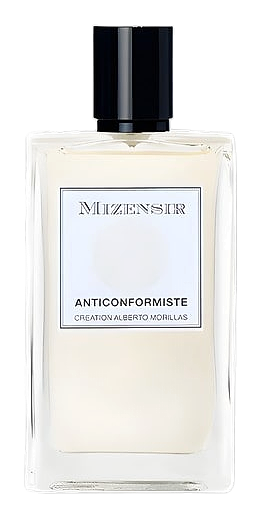
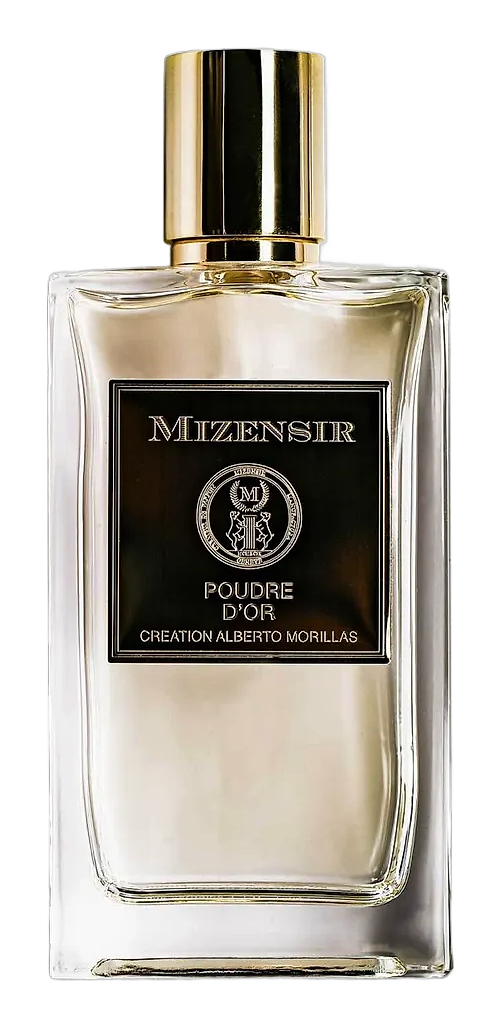
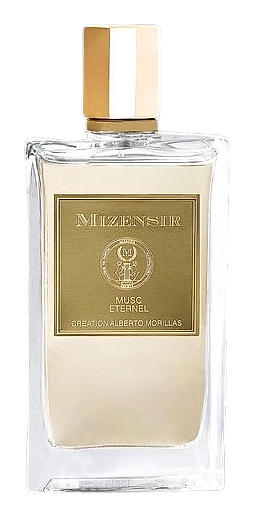
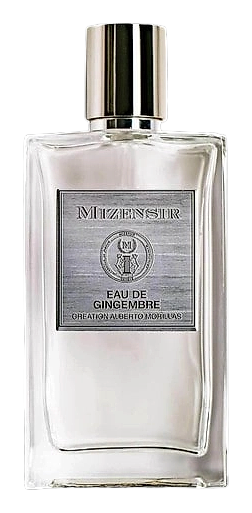
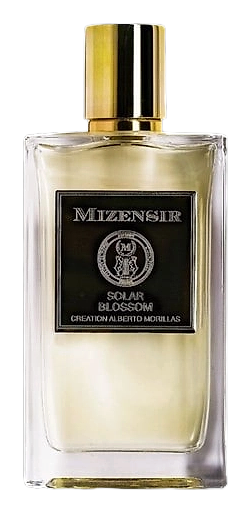
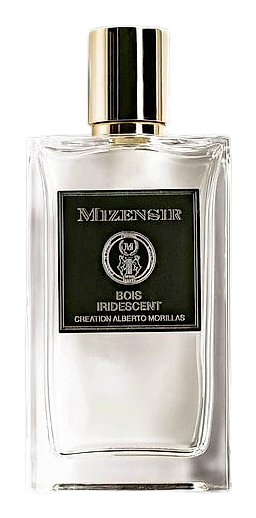
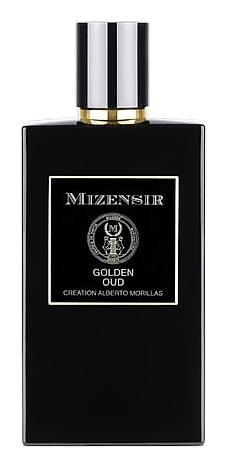
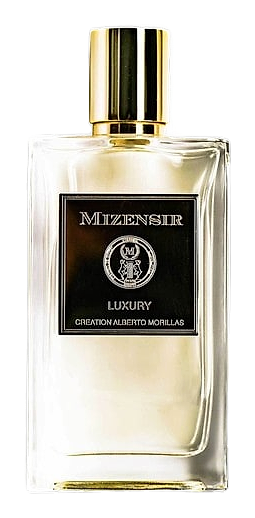
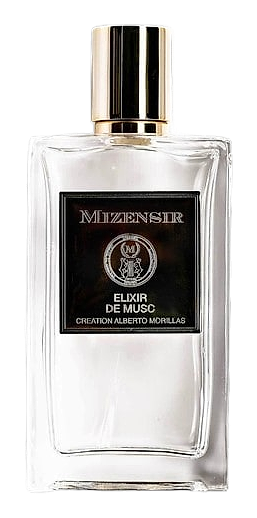
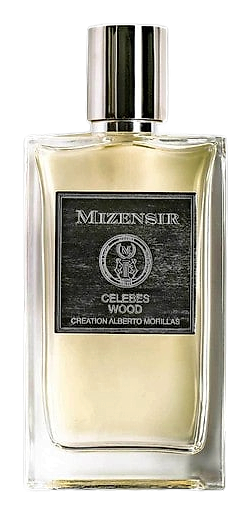
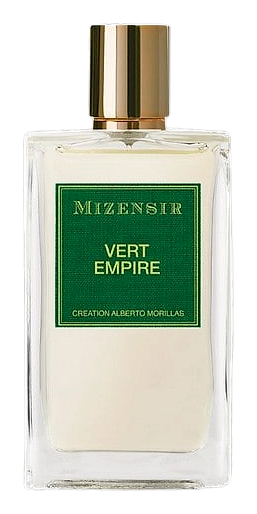
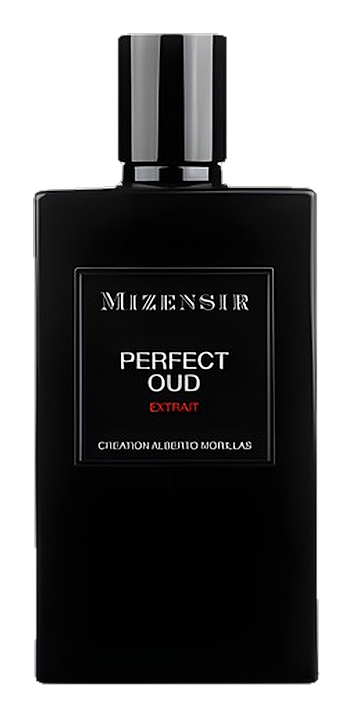
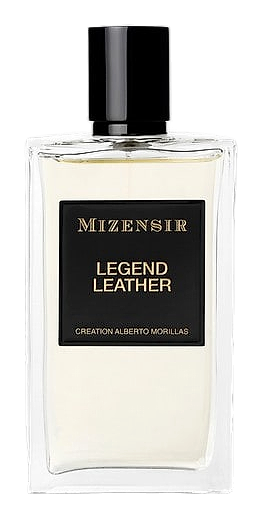
MizensirMizensir is a Swiss niche fragrance house founded in Geneva in 1999 by master perfumer Alberto Morillas and his wife Claudine. The label began with scented candles and quickly expanded into fine perfumes, building a reputation for richly layered compositions that often feature rare oud, neroli and floral accords. Today the brand offers a curated portfolio of fragrances, home scents and body care, each presented in understated glass vessels that echo the house’s Swiss precision. Mizensir’s creations are sold worldwide and the brand opened its first North American boutique in SoHo, New York, bringing its Geneva‑crafted sensibilities to a new audience.
The Creator
Alberto MorillasMorillas' style is characterized by a luminous transparency and a masterful use of musks. He often incorporates citrus notes to create a bright, uplifting effect.