Norlimbanol
Norlimbanol is a synthetic sandalwood alternative developed by Firmenich, prized for its warm, creamy, woody character. As a racemic blend, it offers softer sillage and versatile performance across fragrance families, functioning as both a fixative and an accord-building material in base note compositions.
Character
How it smells
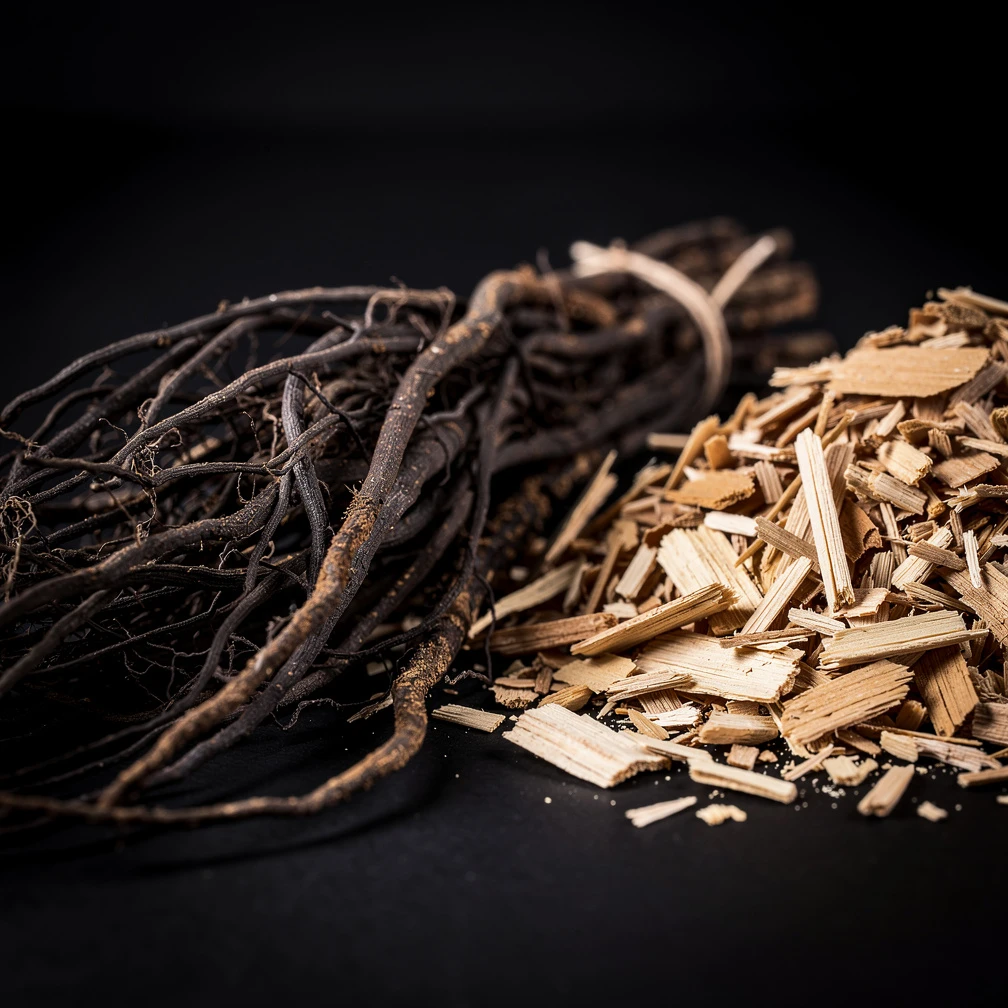
Warm wood, amber depths, and the lasting trace of modern alchemy.
Firmenich developed Norlimbanol using enzyme-based processes at their Zurich laboratory, creating a sustainable alternative to increasingly scarce natural sandalwood.






Origin
Switzerland
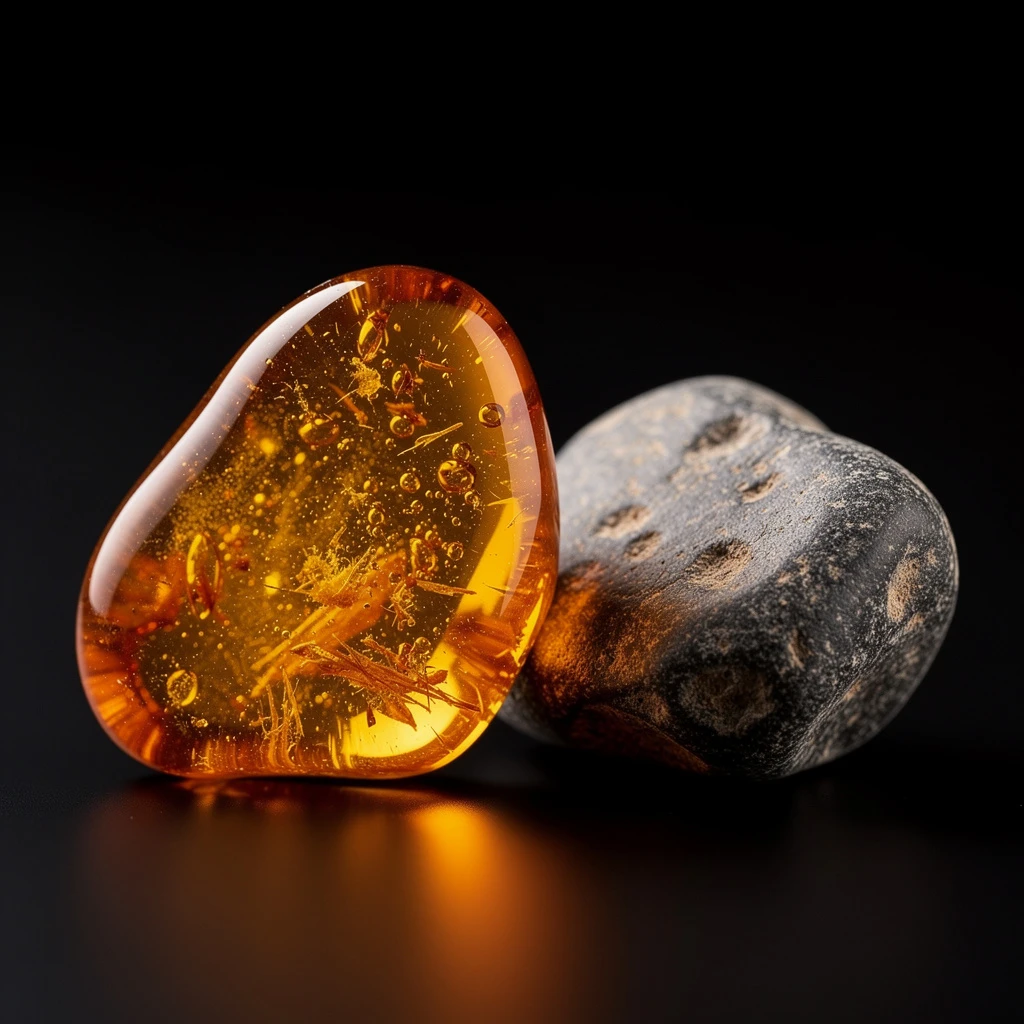
The story of Norlimbanol begins in the late twentieth century, when perfumers faced an escalating challenge: natural sandalwood, particularly Santalum album from India, was becoming increasingly scarce and expensive due to overharvesting and trade restrictions. The fragrance industry needed alternatives that could replicate sandalwood's cherished warmth without depleting endangered species or commanding prohibitive prices.
Firmenich answered this call with Norlimbanol, creating a synthetic molecule that captures sandalwood's creamy, milky wood character while offering superior performance characteristics. The compound belongs to a family of synthetic wood materials that also includes Timberol, each with distinct olfactory signatures despite their structural similarities. Norlimbanol quickly found favor among perfumers seeking to build warm, persistent base notes without relying on dwindling natural resources.
Today, Norlimbanol appears across mass-market and niche fragrances, valued for its ability to enhance woody, amber, and chypre compositions while providing excellent fixative properties. Its development represents a turning point in how the fragrance industry addresses sustainability, demonstrating that clever chemistry can preserve olfactory traditions while reducing environmental pressure on vulnerable botanicals.
Wears it best
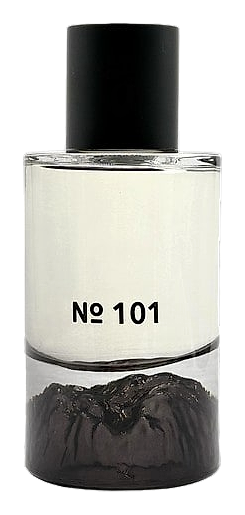
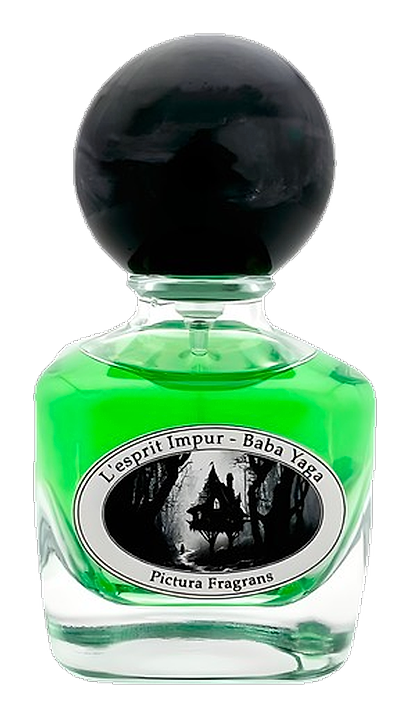
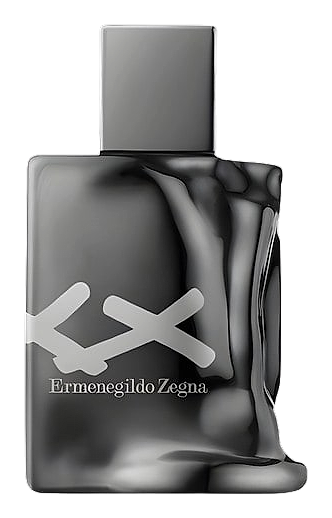
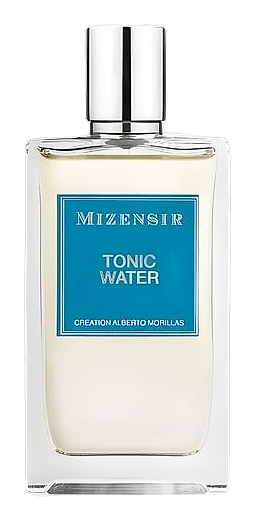
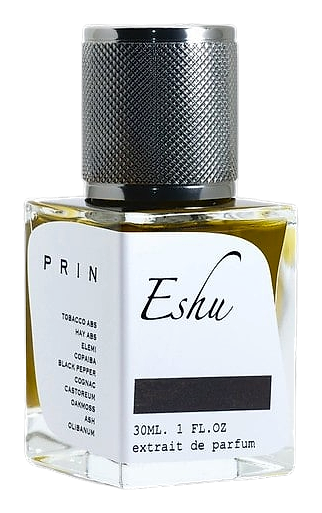
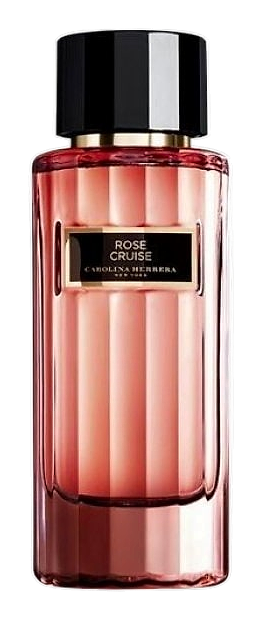
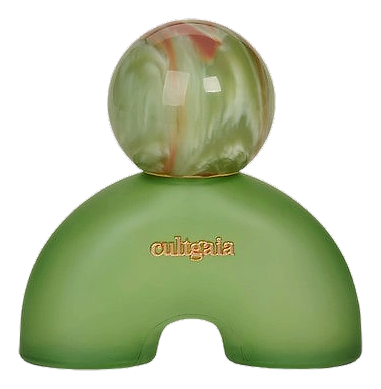
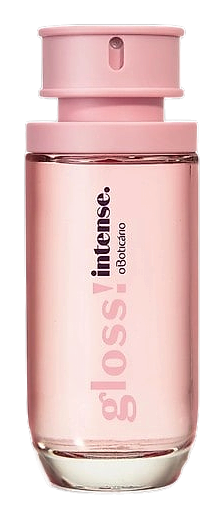
Fragrances featuring Norlimbanol
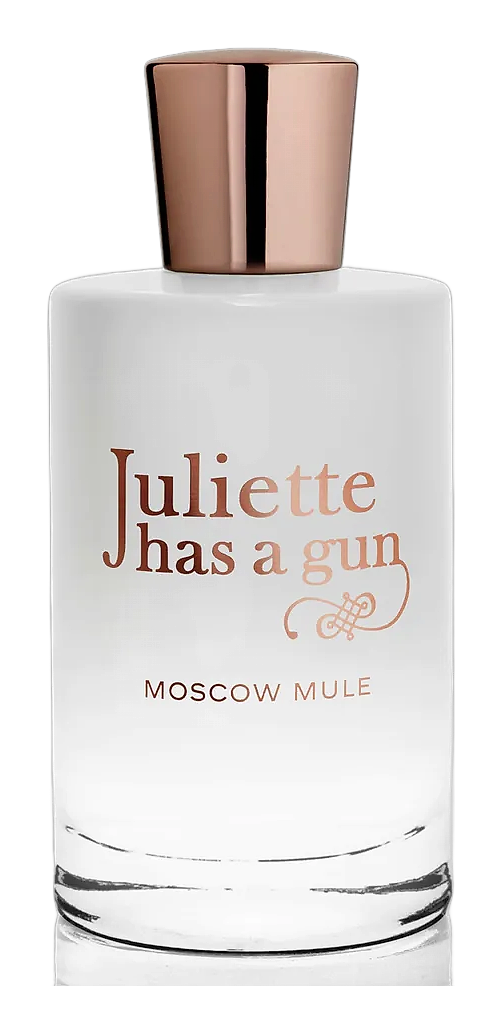
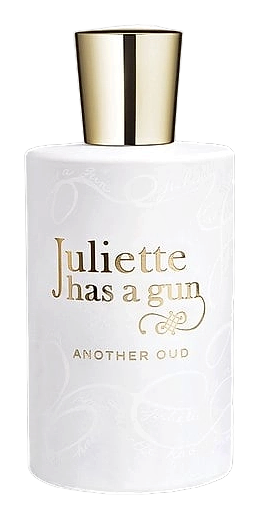
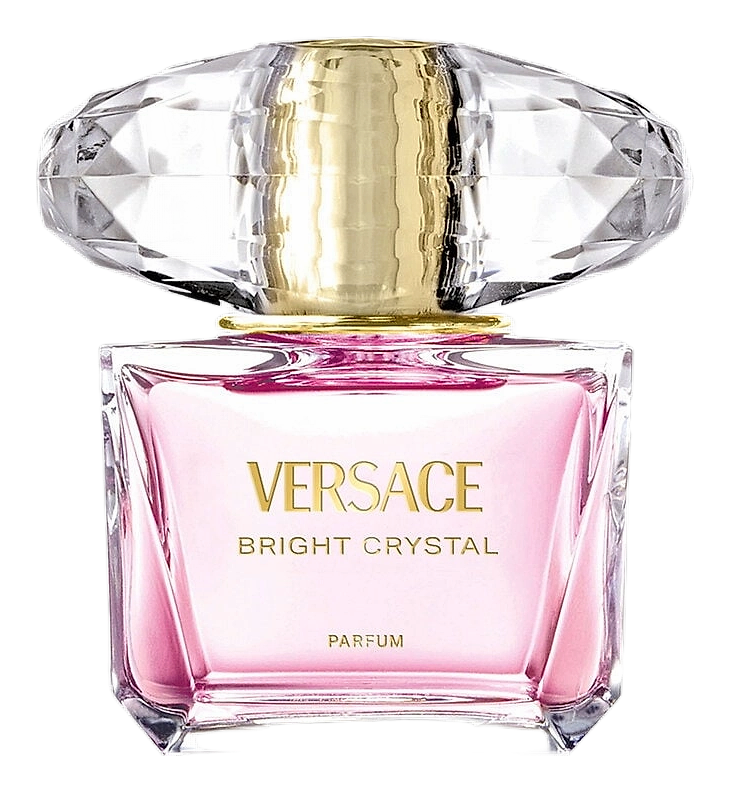
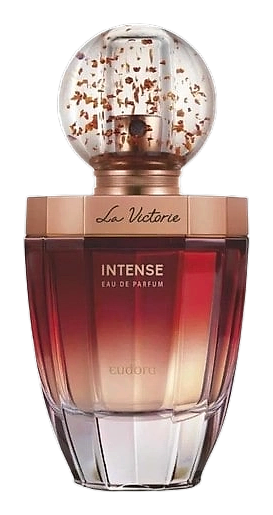
Brands
Brands known for Norlimbanol
Good to know
Questions, answered
The essentials on Norlimbanol in perfumery: how it smells, where it comes from, and how it behaves on skin.
What does Norlimbanol smell like in perfume?
Norlimbanol smells like warm, creamy sandalwood with amber-like depth and a milky, woody character. The racemic blend produces rounded, smooth sillage with subtle diffusive qualities that make it effective at low concentrations, typically below 5% in fragrance concentrates.
Why is Norlimbanol used in perfumery?
Norlimbanol serves as a cost-effective, sustainable alternative to natural sandalwood while delivering superior fixative properties. It extends fragrance longevity on skin and provides consistent olfactory performance across batches, something natural ingredients cannot guarantee.
Is Norlimbanol in perfume natural or synthetic?
Norlimbanol is entirely synthetic, created through enzymatic processes at Firmenich facilities in Switzerland. No natural botanical extraction is involved. This synthetic origin ensures supply stability and eliminates dependence on endangered plant species.
What famous perfumes contain Norlimbanol?
Norlimbanol appears in numerous commercial fragrances including Acqua di Gio by Armani and various designers targeting woody-amber profiles. The ingredient remains undisclosed in specific formulas, but its widespread use in modern perfumery suggests presence across mass-market and niche segments.
Is Norlimbanol a top note, heart note, or base note?
Norlimbanol functions as a base note due to its high substantivity and low volatility. The molecule persists on skin for extended periods, with detection possible 8+ hours after application depending on concentration and formulation context.
What notes pair well with Norlimbanol in perfume?
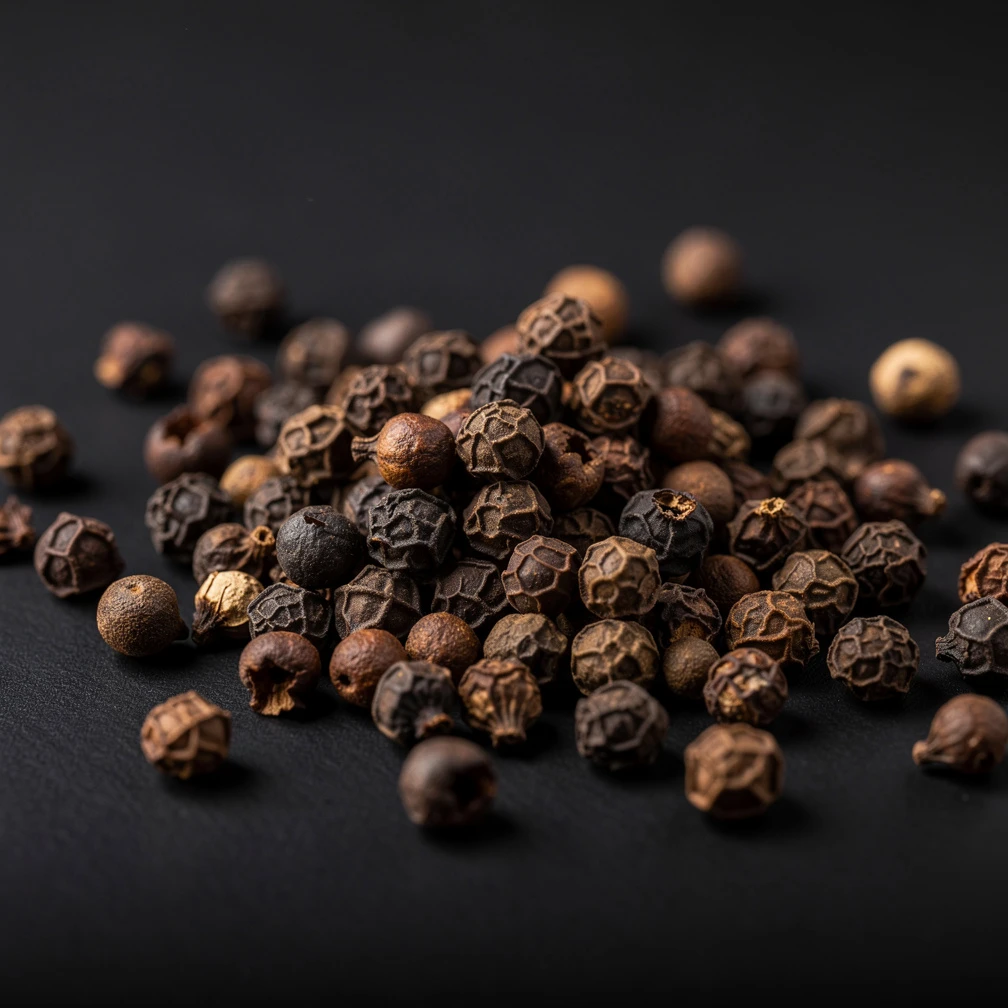
Norlimbanol pairs well with natural and synthetic woods like cedar, sandalwood, and oud, along with amber materials such as labdanum and vanilla. It also complements spicy notes including cardamom and pink pepper, creating complex oriental and woody-amber compositions.
Where does Norlimbanol come from?
Norlimbanol originates from Firmenich laboratories in Zurich, Switzerland, where the company produces it using proprietary enzymatic catalysis. Development began in the late twentieth century as part of Firmenich's response to natural sandalwood scarcity.
Is Norlimbanol used in men's or women's fragrances?
Norlimbanol is gender-neutral in application. Its warm, woody character enhances men's fragrances, women's perfumes, and unisex compositions equally. The ingredient adapts to various fragrance families including chypre, oriental, and fresh woody structures.