The Story
Why it exists.
The beginning
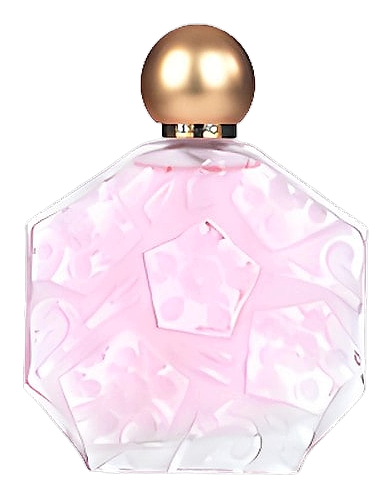
Fleurs d'Ombre/Rose arrived in 2010, composed by Pierre Bourdon. It belongs to the Fleurs d'Ombre collection, a line within Jean-Charles Brosseau's catalog. The rose sits at the center because rose has long defined what this house does, a thread running through everything from Ombre Rose onward. Fleurs d'Ombre/Rose trades the aldehyde spine of that earlier composition for something fruit-forward, softer, more generous on the tongue of the nose. Rhubarb and tangerine lift the opening, blackcurrant and melon add pulpy weight, and then a clean, almost dewy rose takes over once the citrus and orchard fruit settle. Orris and sandalwood anchor the drydown, keeping things grounded rather than powdery or syrupy.
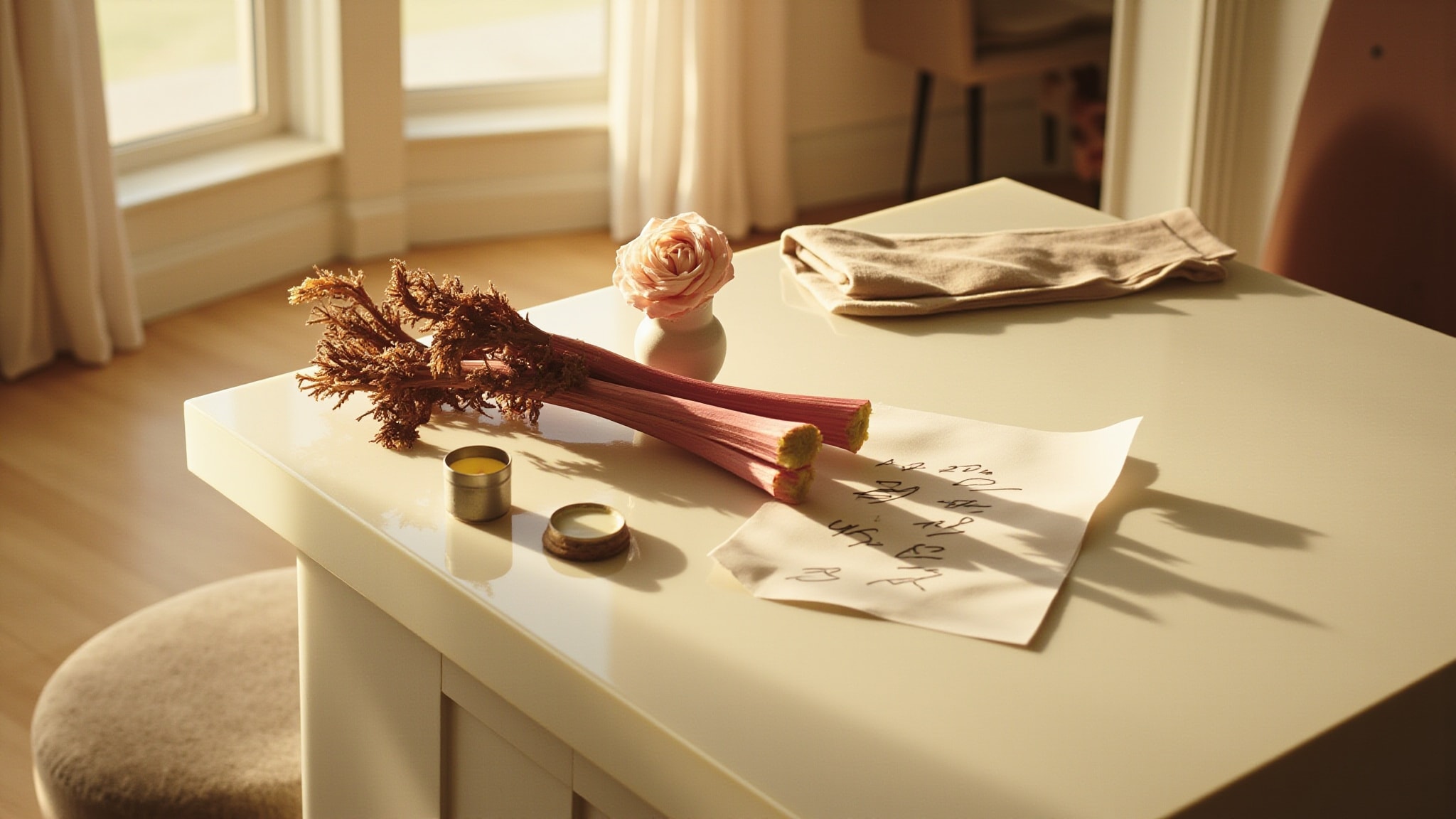
What makes the pyramid unusual is the sheer density of the top, eight listed notes before the rose even shows up. Rhubarb, tangerine, blackcurrant, apple, orange, melon, grapefruit, bergamot, all opening simultaneously, creates a stacked, layered opening that reads almost like a fruit cocktail before the floral heart arrives. The rhubarb does the heavy lifting in that first wave, tart and stem-like, pulling the sweeter fruits into line so nothing veers into candy territory.
The evolution
On skin, the first ten minutes are a riot. Rhubarb cracks open first, sharp and vegetal, then the citrus oils fan out in a quick burst, tangerine bright, grapefruit bitter at the edges, bergamot pulling everything toward something almost herbal before the sweetness of melon and apple rounds the corners. The blackcurrant sits underneath it all, dark and slightly catty, giving the opening more weight than a fruit salad should have. Around the twenty-minute mark the fruits start to thin. The peach shows up first, soft and golden, and the mango follows, warm and a little tropical in a way that reads more sophisticated than sweet. The rose enters almost sideways, not announced, just suddenly present, mixing with freesia and jasmine into something that smells less like a bouquet and more like the air around one. By hour two the composition has settled into its true register: rose at the center, peach underneath, the fruits now a memory rather than a presence.
Cultural impact
Fleurs d'Ombre/Rose reads as a quieter offering in a rose category crowded with louder statements, the kind of composition that rewards attention rather than demanding it. The fruit-heavy opening gives it a spring-appropriate brightness without tipping into the overly sweet register that flattens many fruit-forward florals. Wearers who already know the Brosseau house style will recognize the orris and sandalwood base from across the room, that familiar drydown that anchors the composition in French floral tradition rather than contemporary gourmand territory.